What to Expect on a Responsible Orangutan Trek: Sustainable Practices, Visitor Behavior, and Minimal-Impact Itineraries
- What to Expect on a Responsible Orangutan Trek: Sustainable Practices, Visitor Behavior, and Minimal-Impact Itineraries
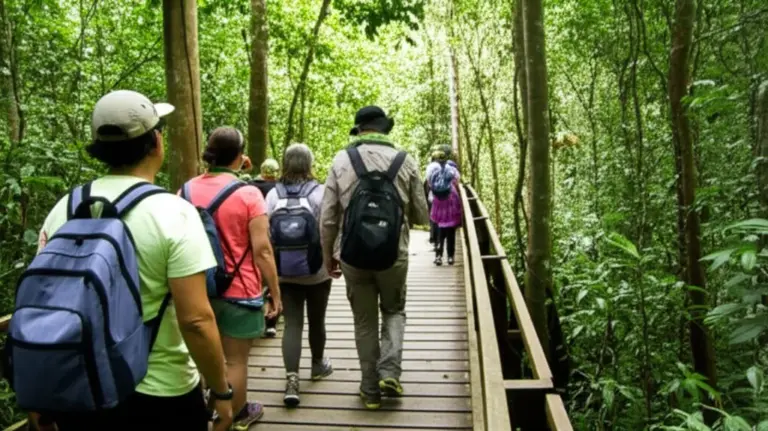
For many travelers to Indonesia, the dream of encountering orangutans in their natural habitat is a powerful draw. These magnificent ‘people of the forest’ are critically endangered, making every interaction precious and, crucially, demanding a high degree of responsibility. A truly responsible orangutan trek is not just about seeing these incredible primates; it’s about actively contributing to their conservation and the well-being of the ecosystems they inhabit. This guide will delve into what you should expect, focusing on sustainable practices, appropriate visitor behavior, and how to choose minimal-impact itineraries that ensure your adventure leaves a positive footprint.
The Imperative of Responsible Orangutan Treks
The allure of orangutans is undeniable, but their existence hangs by a thread. Deforestation for palm oil plantations, illegal logging, and poaching have decimated their populations and habitats across Borneo and Sumatra. Therefore, engaging in a responsible orangutan trek is more than just a preference; it’s an ethical obligation that supports vital conservation efforts. [12]
Protecting Endangered Species
Orangutans are classified as critically endangered, with their numbers dwindling rapidly. [12] Responsible tourism directly supports the protection of these species by providing economic incentives for conservation and raising awareness about their plight. When done correctly, trekking can fund anti-poaching patrols, habitat restoration, and rehabilitation centers. [3], [8]
Supporting Local Communities
Ethical tourism models prioritize local employment, ensuring that guides, porters, and lodge staff are from the surrounding communities. This creates alternative livelihoods that reduce reliance on environmentally destructive practices like illegal logging or palm oil expansion, fostering a direct stake in conservation among the local populace. [12], [15]
Preserving Natural Habitats
Responsible operators adhere to strict ‘leave no trace’ principles, minimizing environmental impact. [4], [15] This includes proper waste management, avoiding the disturbance of flora and fauna, and advocating for the protection of national parks like Gunung Leuser in Sumatra and Tanjung Puting in Borneo, which are crucial orangutan habitats. [5], [13]
Sustainable Practices by Tour Operators
The foundation of a responsible orangutan trek lies with the tour operator. They are the gatekeepers of ethical interaction and environmental stewardship. Look for operators who are transparent about their practices and committed to genuine sustainability.
Ethical Wildlife Viewing Protocols
Reputable operators enforce strict guidelines to protect orangutans. This includes maintaining a safe distance (at least 10 meters) from the animals, never feeding them, and limiting viewing times to avoid habituation and stress. [4], [14] They understand that human interference can lead to disease transmission and behavioral changes that hinder an orangutan’s ability to survive in the wild. [6], [12]
Waste Management and Environmental Protection
Sustainable treks ensure all waste, including food scraps, is carried out of the forest. [14] They often use biodegradable products and minimize single-use plastics. Some operators also engage in reforestation projects or support local clean-up initiatives. [4], [10]
Fair Employment and Community Engagement
Choosing a tour that employs local guides and staff at fair wages directly benefits the community. Many ethical companies also reinvest a portion of their profits into local education, healthcare, or other community development programs. [4], [15]
Small Group Sizes and Limited Access
To minimize disturbance, responsible tours typically operate with small group sizes. [14] They may also adhere to park regulations that limit the number of visitors to certain areas or restrict access during sensitive periods like mating or birthing seasons.
Visitor Behavior for a Minimal-Impact Itinerary
Your actions as a visitor are paramount to the success of any responsible orangutan trek. Educating yourself and adhering to guidelines will ensure a positive experience for both you and the wildlife.
Before Your Trek: Research and Preparation
- **Choose Wisely:** Select an operator with a strong ethical reputation. Look for certifications or affiliations with conservation organizations.
- **Educate Yourself:** Understand orangutan behavior, conservation challenges, and the specific rules of the national park you’re visiting.
- **Health Check:** If you are feeling unwell, especially with respiratory symptoms, reconsider your trek. Humans can transmit diseases to great apes. [6], [12]
During Your Trek: Observing from a Distance
- **Maintain Distance:** Always keep the recommended distance from orangutans. Never attempt to touch or feed them. [14], [15]
- **Be Quiet:** Minimize noise to avoid disturbing the animals and other wildlife. [15]
- **Leave No Trace:** Carry out all your trash, including organic waste like fruit peels.
What to Bring (and What Not to Bring)
Pack light but smart. Essential items include sturdy hiking shoes, insect repellent, a reusable water bottle, and a rain jacket. Avoid bringing strong-smelling foods or brightly colored items that might attract animals. Keep food securely stored and out of sight. [14]
Photography Etiquette
Flash photography can disturb wildlife. Use it sparingly or avoid it altogether. Be mindful of others’ experiences and don’t monopolize viewing spots. Remember, the goal is observation, not intrusive photography. Many guides will advise against opening backpacks in the presence of orangutans, so have your camera ready before encountering them. [14]
Health and Hygiene Protocols
Beyond being healthy yourself, practice good hygiene. Wash hands frequently, especially before and after eating. Avoid spitting or leaving tissues in the forest. These small actions help prevent the spread of pathogens to vulnerable wildlife. [6]
Choosing a Responsible Orangutan Trek Operator
The choice of your tour operator is perhaps the most critical decision for a responsible orangutan trek. Here’s what to look for:
Key Indicators of Responsible Operators:
- They clearly state their ethical guidelines regarding wildlife interaction (no feeding, no touching, safe distance). [14]
- They employ local guides and porters and ensure fair wages. [4]
- They have a clear ‘leave no trace’ policy and manage waste responsibly. [4], [14]
- They limit group sizes to minimize disturbance. [14]
- They contribute to local conservation efforts or community projects. [4], [15]
- They discourage feeding platforms or rehabilitation centers that allow close human contact for tourism purposes. [7], [20]
Planning Your Minimal-Impact Itinerary in Indonesia
Indonesia offers two primary islands for orangutan encounters: Sumatra and Borneo (Kalimantan). Each offers unique experiences, and choosing the right one depends on your preferences for wildness and accessibility.
Popular Destinations: Borneo (Kalimantan) and Sumatra
- **Sumatra:** Primarily in Gunung Leuser National Park (Bukit Lawang and Ketambe areas). Bukit Lawang is known for its semi-wild orangutans, descendants of those rehabilitated, offering higher chances of sightings but also requiring stricter adherence to ethical guidelines to avoid habituation. [13], [15] Ketambe offers a more challenging, truly wild experience.
- **Borneo (Kalimantan):** Tanjung Puting National Park is famous for its ‘klotok’ (traditional boat) river cruises, offering access to feeding stations for rehabilitated orangutans at Camp Leakey. While sightings are almost guaranteed, it’s important to understand the context of these semi-wild populations. [5], [13]
Best Time to Visit
Generally, the dry season (April to October) is considered the best time for trekking due to more favorable weather conditions. However, orangutans can be seen year-round, and the wet season can offer lush scenery and fewer tourists.
Combining with Other Eco-Adventures
Enhance your minimal-impact itinerary by combining your orangutan trek with other sustainable activities. In Sumatra, explore Lake Toba or visit elephant rehabilitation centers. In Borneo, consider visiting other national parks to see proboscis monkeys, sun bears, or unique plant life. Always choose activities that prioritize animal welfare and environmental preservation.
Understanding the challenges faced by orangutans and the importance of responsible tourism is crucial. The following video provides valuable insights into the issues of unethical tourism and what can be done to help:
By choosing a responsible orangutan trek, you become a part of the solution, ensuring these magnificent creatures continue to thrive for generations to come. Your conscious travel decisions make a tangible difference in the fight for their survival.
คำถามที่พบบ่อย (FAQ)
References
- Desperately Saving The Last Of Sumatra’s Wild Orangutans | 1000 Days – YouTube
- Ethical Jungle Trekking In Bukit Lawang, Sumatra – Sumatra Orangutan Trekking
- Where to See Orangutans in the Wild: Sumatra vs Borneo – Beyond the Bucketlist
- Blog: Ethical Orangutan Tourism – Putting the Well-Being of Orangutans First – Orangutan Outreach
- The Red Apes of Bukit —How Ethical is Orangutan Tourism? – Earthwise Aware
- Orangutan Conservation Policy in Indonesia – YouTube
- Nyaru Menteng Orangutan Sanctuary | The Great Projects – YouTube
- Samboja Lestari Orangutan Volunteer Project | The Great Projects – YouTube
- Responsible orangutan watching – Responsible Travel
- Best Sustainable Places to Trek for Organutans in the Wild – Inertia Network
- Bukit Lawang Jungle Trekking – How to Choose an Ethical Guide – Exploring Sumatra
- Sustainable Tourism – Bukit Lawang trekking orangutan in lauser jungle
- Orangutan Jungle Trek in Bukit Lawang, Sumatra | Travel Vlog – YouTube
- Ethical Orangutan Encounters in Sumatra: How to Choose Responsible Guides in Bukit Lawang for Sustainable Wildlife Tourism
- Why Choose Ethical Orangutan Encounters? Understanding Conservation, Animal Welfare, and Visitor Impact in Bukit Lawang
- How to Identify Responsible Guides and Tours: Certifications, Local Partnerships, and Red Flags to Avoid