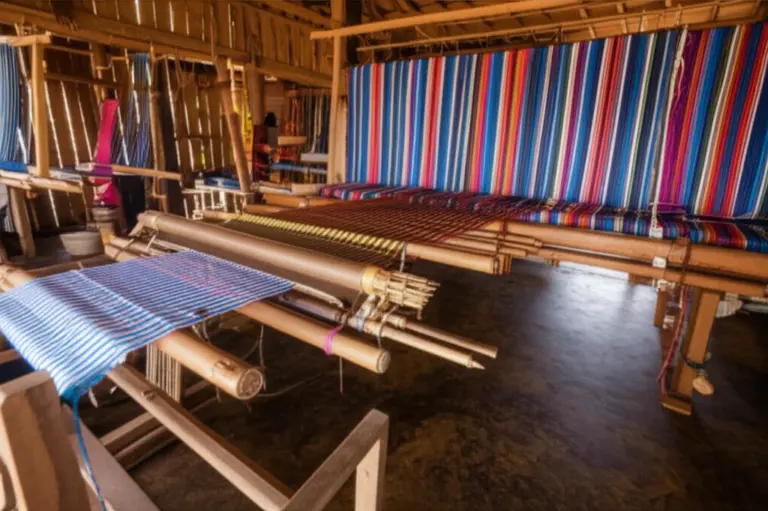
Exploring Weaving Villages: Traditional Techniques, Workshops, and Supporting Local Artisans
- Exploring Weaving Villages: Traditional Techniques, Workshops, and Supporting Local Artisans
Indonesia, an archipelago nation renowned for its breathtaking natural beauty and vibrant cultural tapestry, offers a unique journey for travelers keen on delving deeper than just its pristine beaches. For those interested in the heart of its artistic traditions, Exploring Weaving Villages presents an unparalleled opportunity. These villages are not just geographical locations; they are living museums where ancient techniques are meticulously preserved, stories are woven into every thread, and the spirit of community thrives. This article invites you to discover the profound beauty of Indonesian textiles, engage with local artisans, and contribute to the sustainable preservation of a priceless heritage.
The Rich Tapestry of Indonesian Weaving Heritage
Indonesian weaving is more than just a craft; it’s a profound cultural expression, deeply intertwined with the social, spiritual, and historical fabric of its diverse communities. Each region boasts its own distinct styles, patterns, and meanings, reflecting local myths, beliefs, and environments. The artistry involved is often passed down through generations, making each piece a testament to enduring skill and cultural identity.
A Legacy Woven Through Generations
The tradition of weaving in Indonesia dates back centuries, with techniques and motifs evolving yet retaining their ancestral essence. Women, primarily, are the custodians of this art, learning from their mothers and grandmothers, transforming raw fibers into intricate masterpieces. This intergenerational transfer of knowledge ensures the continuity of cultural practices and narratives, making every textile a living artifact.
Diverse Techniques Across the Archipelago
Key Weaving Techniques You’ll Encounter
Indonesia is famous for several distinct weaving techniques, each with its unique characteristics and regional strongholds:
- Ikat: Meaning ‘to bind’ in Indonesian, Ikat involves dyeing threads before weaving. The patterns are created by resist-dyeing bundles of warp or weft threads (or both) before they are placed on the loom. Regions like Sumba, Flores, and Bali are renowned for their vibrant Ikat.
- Songket: A supplementary weft technique where gold or silver threads are woven into the fabric, creating shimmering patterns. Songket is often associated with royalty and special occasions, prevalent in Sumatra (e.g., Palembang) and Lombok.
- Batik: While often associated with painting wax on cloth, Batik also involves intricate weaving. Some regions combine Batik principles with weaving to create unique textile art.
- Tenun: A general term for hand-woven fabrics, encompassing a wide range of plain weaves and supplementary warp/weft techniques found across various islands, often using natural dyes.
Journey into Indonesia’s Weaving Villages
To truly appreciate Indonesian weaving, one must venture into the villages where it originates. These communities offer an authentic glimpse into the lives of artisans and the intricate processes behind their craft. Each village tells a different story, expressed through its unique textile traditions.
Bali: The Island of Gods and Intricate Weaves
Beyond its spiritual temples and lush landscapes, Bali is home to weaving traditions, particularly in villages like Tenganan Pegeringsingan. This ancient village is famous for its ‘Gringsing’ double Ikat, a rare and complex technique where both warp and weft threads are resist-dyed before weaving. It’s believed to have protective powers and is a significant part of Balinese spiritual ceremonies. Visiting Tenganan offers a chance to witness this demanding craft firsthand.
Nusa Tenggara: Home of Vibrant Ikat
The islands of Nusa Tenggara, including Sumba, Flores, and Timor, are celebrated for their breathtaking Ikat textiles. Sumba’s Ikat, known as ‘Hinggi’ for men’s wraps and ‘Lau’ for women’s skirts, features bold motifs depicting animals, ancestral figures, and mythical creatures, often using natural dyes. In Flores, villages like Maumere and Ende produce vibrant Ikat with geometric patterns. These textiles are not merely decorative; they are central to ceremonial life, social status, and rites of passage.
Sumatra: The Golden Threads of Songket
Sumatra is the heartland of Songket, a luxurious woven fabric adorned with metallic threads, typically gold or silver. Palembang in South Sumatra is particularly famous for its exquisite Songket, characterized by intricate patterns and rich colors. These textiles are often worn during weddings, formal events, and traditional ceremonies, symbolizing wealth, status, and prestige. Visiting a Songket weaving village provides insight into the painstaking process of creating these shimmering fabrics.
Java: Batik’s Enduring Artistry and Beyond
While Java is most famous for its Batik, the island also has weaving traditions, particularly in areas less exposed to the globalized textile market. The focus here is often on the intricate patterns and philosophical meanings embedded within the designs, whether dyed or woven. Engaging with Javanese artisans offers a deeper understanding of the spiritual and cultural significance of their textile arts.
Hands-On Experiences: Weaving Workshops for Tourists
For those eager to go beyond observation, many weaving villages now offer workshops, providing an immersive and educational experience. These workshops are a fantastic way to connect with the craft and the culture on a deeper level.
Learning Traditional Techniques
Participating in a weaving workshop allows you to learn the basic steps of preparing threads, setting up a loom, and even trying your hand at resist-dyeing or weaving simple patterns. While you won’t become a master weaver in a day, you’ll gain immense appreciation for the skill, patience, and artistry involved.
Connecting with Artisans
Workshops facilitate direct interaction with local artisans. This is an invaluable opportunity to hear their stories, understand the cultural significance of their work, and learn about the challenges and triumphs of preserving traditional crafts in a modern world. Many artisans are keen to share their knowledge and passion.
Practical Tips for Workshop Participation
- Book Ahead: Especially in smaller, more remote villages, it’s wise to book workshops in advance.
- Enquire About Costs: Understand the workshop fees, which often directly support the artisans and their communities.
- Language Barrier: While many artisans might speak basic English, having a local guide or translator can significantly enhance your experience.
- Ask Before Photographing: Always seek permission before taking photos, especially of people or during sacred ceremonies.
Supporting Local Artisans and Sustainable Tourism
Your visit to Indonesian weaving villages can have a significant positive impact. By engaging responsibly, you contribute to the economic well-being of these communities and the preservation of their cultural heritage.
The Importance of Direct Purchase
Purchasing textiles directly from the artisans in their villages ensures that the majority of the income goes directly to them, rather than being diluted through intermediaries. This empowers the weavers, allowing them to continue their craft and support their families. It also guarantees you an authentic, high-quality product with a direct story behind it.
Ethical Tourism Practices
Sustainable tourism means respecting local customs, traditions, and the environment. When visiting weaving villages, be mindful of your impact. Dress respectfully, ask for permission before entering private spaces or photographing individuals, and avoid bargaining aggressively, as these crafts represent significant time and skill.
Preserving Cultural Heritage
Your interest and support play a crucial role in the preservation of these traditional techniques. By creating a demand for authentic, handmade textiles, you encourage younger generations to learn and continue the craft, ensuring that Indonesia’s rich weaving heritage endures for centuries to come.
Discover the Weaving Heart of Indonesia
Exploring weaving villages in Indonesia is more than just a trip; it’s an immersive cultural adventure. It’s an opportunity to witness incredible artistry, learn about ancient traditions, and directly support the talented individuals who keep these crafts alive. As you plan your Indonesian adventure, consider adding one of these remarkable villages to your itinerary for an enriching and unforgettable experience. Your journey will not only leave you with beautiful souvenirs but also with a deeper appreciation for the intricate threads that weave together Indonesia’s vibrant cultural identity.
คำถามที่พบบ่อย (FAQ)
References
- Understanding Indonesian Textiles: Seeing Culture in Cloth – YouTube
- Discover the Art of Hand-Weaving at These Indonesian Villages – Indonesia Travel
- Batik of Java: A Centuries Old Tradition (video) – Khan Academy
- Community-Based Tourism in Flores: Homestays, Weaving Villages, and Local Food — A Complete Guide for Authentic Cultural Experiences
- Why Community-Based Tourism Matters in Flores: Benefits for Visitors and Local Communities
- How to Choose and Book Authentic Homestays in Flores: What to Expect, Etiquette, and Sustainable Practices