Why Tanjung Puting and Bukit Duabelas Are Unmissable: Wildlife, Ecosystems, and Best Times to Visit
- Why Tanjung Puting and Bukit Duabelas Are Unmissable: Wildlife, Ecosystems, and Best Times to Visit
Welcome to the heart of Indonesian Borneo, where two jewels of conservation shine brightly: Tanjung Puting National Park and Bukit Duabelas National Park. For the dedicated eco-tourist and wildlife enthusiast, understanding the unique offerings of Tanjung Puting and Bukit Duabelas is paramount to planning an unforgettable journey into Indonesia’s rich biodiversity. These protected areas, located in Central Kalimantan, offer contrasting yet equally vital windows into the rainforest ecosystems that define this remarkable island. While Tanjung Puting draws visitors with its accessible orangutan rehabilitation centers and iconic river journeys, Bukit Duabelas beckons those seeking a deeper, more remote immersion into primary Bornean jungle. Prepare to explore why these two destinations form an essential duo for any serious nature lover.
Tanjung Puting National Park: The Kingdom of the Orangutan
Tanjung Puting National Park is arguably Kalimantan’s most famous protected area, primarily due to its successful efforts in orangutan conservation and rehabilitation. Accessible primarily via the Sekonyer River, the park offers an intimate, slow-paced exploration experience that differs significantly from typical jungle treks.
The Iconic Wildlife Spectacle (Orangutans)
The star attraction here is, without question, the wild and semi-wild orangutans (*Pongo pygmaeus wurmbii*). Unlike a zoo experience, seeing these intelligent primates swinging freely in their natural habitat is profoundly moving. The park hosts several feeding stations established by conservationists, designed to reintroduce captured or orphaned orangutans back into the wild. Visiting these stations provides reliable, yet respectful, viewing opportunities.
Exploring the Sekonyer River Ecosystem
The lifeblood of Tanjung Puting is the Sekonyer River. Travel is conducted almost exclusively on traditional wooden houseboats known as klotok. Spending nights on the river, surrounded by the sounds of the rainforest, is an experience in itself. Along the banks, keep an eye out for other fascinating residents, including the bizarre-looking proboscis monkeys (), various hornbill species, and slow loris.
Key Sites: Tanjung Harapan, Pondok Tanggui, and Camp Leakey
These three main feeding stations each offer a slightly different experience:
- Pondok Tanggui: Often the first stop, featuring younger orangutans learning independence.
- Tanjung Harapan: Known for its relatively high chance of seeing wild orangutans feeding.
- Camp Leakey: The historical research hub, where you can also visit the small research museum.
Bukit Duabelas National Park: A Deeper Dive into Bornean Biodiversity
While Tanjung Puting focuses on riverine ecosystems and orangutans, Bukit Duabelas National Park (also known as Bukit Balingai) provides a rugged, terrestrial counterpoint. This area is crucial because it protects vast tracts of undisturbed lowland dipterocarp forest, making it a vital sanctuary for species less frequently seen by casual tourists.
Beyond the Apes: Discovering Unique Flora and Fauna
Trekking in Bukit Duabelas requires more stamina and preparation. The reward is exposure to incredible primary forest density. This park is a hotspot for rare birds, including various species of broadbill and trogon, as well as elusive ground mammals. The focus shifts from large primates to the sheer complexity of the jungle floor and canopy layers. The park’s elevation changes also introduce different microclimates and plant life.
The Importance of Conservation in Bukit Duabelas
Bukit Duabelas plays a critical role in maintaining ecological corridors. Its relative remoteness has helped preserve the forest structure against encroachment, though challenges remain. Tourists visiting here directly support local communities engaged in sustainable forestry monitoring and anti-poaching efforts, making the experience highly impactful from a conservation standpoint.
Comparing the Experiences: Ecosystems and Accessibility
The decision between these two parks often boils down to preferred travel style. Understanding the core differences between Tanjung Puting and Bukit Duabelas ensures you maximize your time in Kalimantan.
Riverine vs. Upland Forest Exploration
| Feature | Tanjung Puting NP | Bukit Duabelas NP |
|---|---|---|
| Primary Focus | Orangutan Rehabilitation & River Travel | Primary Forest Biodiversity & Trekking |
| Accessibility | High (via klotok boat) | Moderate/Low (requires dedicated trekking) |
| Dominant Ecosystem | Swamp Forest & Riparian | Lowland Dipterocarp Forest |
For a relaxing wildlife immersion punctuated by stunning river sunsets, Tanjung Puting is the choice. For the adventurous trekker wanting to feel deep within the Bornean wilderness, Bukit Duabelas offers the raw, untamed experience.
Planning Your Perfect Trip: Best Times to Visit
Timing your visit correctly can drastically improve your experience, especially concerning accessibility and wildlife viewing patterns in this equatorial region.
Weather Patterns and Optimal Seasons
Borneo generally experiences two main seasons: wet and dry. The ideal window for touring both parks generally falls during the dry season, which typically runs from May through September. During this time, rainfall is significantly lower, which means:
- River levels in Tanjung Puting stabilize, making klotok navigation smoother and reducing the risk of getting stranded.
- Trekking trails in Bukit Duabelas are less muddy and slippery, increasing safety and trek duration potential.
- Wildlife, especially primates, may congregate near remaining water sources, potentially increasing viewing success.
The wet season (October to April) brings heavy, unpredictable downpours. While wildlife viewing is still possible, travel logistics become more challenging, and trails can be nearly impassable. Consider this time only if you are prepared for significant delays and higher humidity.
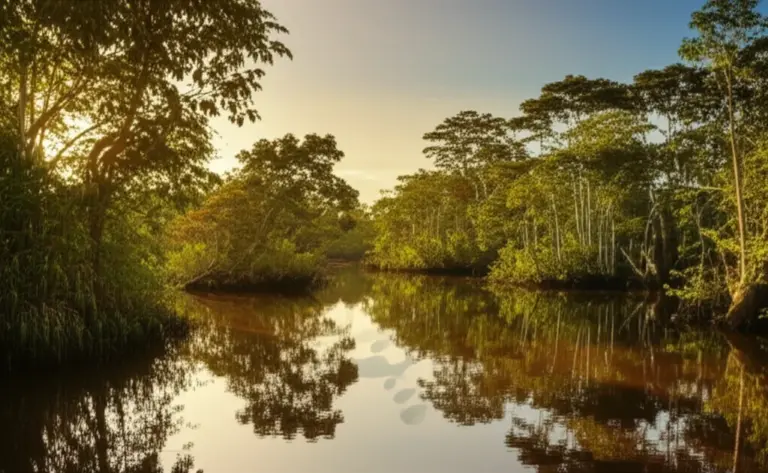
To truly appreciate the efforts underway to protect these unique habitats, here is a visual look at the incredible environment you can expect:
Practical Tips for Responsible Tourism
As an expert in sustainable travel, I urge visitors to adhere strictly to park regulations. Remember the core principles of responsible eco-tourism:
- Maintain a minimum distance from all wildlife, especially orangutans. Never feed them.
- Hire only registered, licensed guides and use official klotok operators when visiting Tanjung Puting.
- Carry out everything you carry in. Minimize plastic use within the park boundaries.
Conclusion: A Call to Explore Borneo’s Green Heart
Tanjung Puting and Bukit Duabelas offer a profound educational and emotional journey. Whether you are captivated by the gentle eyes of a rehabilitated orangutan or humbled by the ancient canopy of the primary forest, these parks represent the best of Indonesian natural heritage. Plan wisely, travel respectfully, and prepare for an adventure that will redefine your understanding of tropical biodiversity.
คำถามที่พบบ่อย (FAQ)
What is the primary difference between visiting Tanjung Puting and Bukit Duabelas?
Tanjung Puting is renowned for its accessible riverine environments and large orangutan rehabilitation centers, while Bukit Duabelas offers a more remote, deep-forest trekking experience focusing on broader primary forest biodiversity.
When is the absolute best time to see orangutans in Tanjung Puting?
The dry season, generally May through September, is ideal as river levels are lower, making boat travel easier, and wildlife is often more active near accessible water sources.
Are guided tours mandatory for both parks?
Yes, due to the remote nature and conservation rules, licensed local guides are mandatory for all treks and river journeys in both Tanjung Puting and Bukit Duabelas.
Which park is better for seeing Proboscis Monkeys?
Tanjung Puting, specifically along the riverbanks of the Sekonyer River, offers significantly better opportunities to spot the unique Proboscis Monkey, as they inhabit riparian zones.
References
- Official Indonesia Tourism Portal
- WWF Borneo Conservation Efforts
- Tanjung Puting National Park Official Site Information
- Tanjung Puting & Bukit Duabelas: The Ultimate Guide to Wildlife Spotting, Orangutan Trekking, and Jungle Expeditions in Central Kalimantan
- How to Plan Your Trip: Permits, Transportation (Kumai, Riverboats), Accommodation (Klotok vs. Forest Camps), and Suggested Itineraries
- Wildlife Spotting and Trekking Tips: Where to See Orangutans, Proboscis Monkeys, Hornbills, and Peat-Swamp Species — Responsible Wildlife Viewing Practices