Waisak at Borobudur: How to Witness the Lantern Festival Respectfully and Meaningfully
- Waisak at Borobudur: How to Witness the Lantern Festival Respectfully and Meaningfully
For those seeking a profound spiritual and cultural experience in Indonesia, witnessing Waisak at Borobudur is an unparalleled opportunity. This annual celebration, commemorating the birth, enlightenment, and passing of Gautama Buddha, transforms the majestic Borobudur Temple into a beacon of peace and devotion. It’s a journey not just to a destination, but into the heart of Buddhist traditions, culminating in the breathtaking spectacle of the lantern festival. This guide will help you navigate this sacred event with respect and gain a truly meaningful experience. [9, 11]
Understanding Waisak: The Significance of Vesak
Waisak, also known globally as Vesak or Buddha Purnima, is the most important holy day for Buddhists worldwide. It marks three significant events in the life of Prince Siddhartha Gautama: his birth, his attainment of enlightenment (Nirvana), and his passing into Parinirvana. [7, 9] Celebrated on the full moon day of May (though the exact date varies based on the lunar calendar), it’s a time for reflection, meditation, and reaffirmation of Buddhist principles like kindness, peace, and the pursuit of a noble life. [7, 9, 11] In Indonesia, the primary celebration centers around the ancient temples of Borobudur, Mendut, and Pawon in Central Java. [2, 11]
The Spiritual Heartbeat: Borobudur Temple
Borobudur Temple, a UNESCO World Heritage site, is the largest Buddhist temple in the world and an architectural marvel. [9, 13] Built in the 9th century, this colossal structure is adorned with thousands of relief panels and hundreds of Buddha statues, offering a profound journey through Buddhist cosmology and teachings. [7] For Waisak, it becomes the focal point for thousands of monks and devotees from Indonesia and across the globe, transforming into a vibrant hub of spiritual energy. [7, 11] The temple’s serene atmosphere and intricate carvings provide an awe-inspiring backdrop for the sacred rituals that unfold during the festival. [11]
Planning Your Waisak Journey to Borobudur
Attending Waisak at Borobudur requires careful planning due to its immense popularity. This ensures you can fully immerse yourself in the experience without unnecessary stress.
When to Go and Where to Stay
Waisak typically falls on the full moon in May, but the exact date shifts annually. For example, in 2025, the main Waisak Day and Lantern Festival are scheduled for Monday, May 12th. [2] Celebrations often span several days, including pre-ceremonies like the collection of holy water and the eternal flame. [2, 11] Accommodation around Borobudur, and even in nearby cities like Yogyakarta and Magelang, fills up very quickly. It is highly advisable to book your stay months in advance to secure a suitable place. [2] If hotels near the temple are fully booked, consider Magelang or Muntilan as alternatives, as they are a short ride away. [2]
Securing Your Spot: Tickets and Transportation
Access to the Waisak ceremonies and especially the lantern release is often ticketed and highly sought after. Tickets for the lantern festival are typically sold online through official Borobudur Temple channels and tend to sell out quickly. [2, 4] For practicing Buddhists, access might be secured through donations via affiliated religious organizations. [4] Independent travelers should monitor official platforms for ticket release dates. [4]
Transportation to Borobudur, especially during the festival, can be challenging. Renting a car, ideally with a driver, is often recommended for convenience, particularly if you are traveling with family or a group. [4] This allows for flexibility and avoids the hassle of navigating unfamiliar roads. Public transport options are available from Yogyakarta, but may be crowded during Waisak. Arriving early to the temple area is also crucial to avoid crowds and secure good viewing spots, especially for the lantern release. [10]
Witnessing the Lantern Festival: A Guide to Respectful Participation
The magic of Waisak lies not just in its visual splendor, but in its deep spiritual resonance. Approaching the event with respect and understanding is paramount.
The Sacred Procession and Main Ceremonies
The Waisak celebrations commence with a solemn procession, where monks and devotees carry the holy water and eternal flame from Mendut Temple to Borobudur. [2, 11] This procession is accompanied by chanting and prayers, creating an atmosphere of profound devotion. [2] Visitors can observe this procession, maintaining a respectful distance and refraining from disturbing the participants. Inside Borobudur, monks engage in meditation and circumambulation (Pradaksina) around the temple, a ritual of devotion. [2, 7] There are also opportunities for mindful walking Pradaksina experiences for interested visitors. [2]
The Enchanting Lantern Release
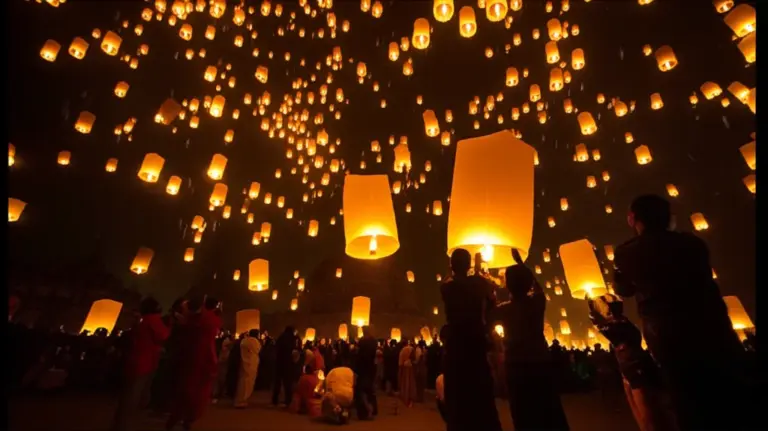
The highlight for many, and indeed the most iconic image of Waisak at Borobudur, is the release of thousands of sky lanterns into the night sky. [2, 5, 8, 11] This breathtaking spectacle symbolizes the letting go of negative thoughts and welcoming a new, enlightened beginning. [6] Each lantern is typically shared by a group of 4-5 people, who prepare it carefully and wait for the signal from the master of ceremonies before lighting and releasing it. [4, 6] The lanterns, often made from environmentally friendly materials, drift upwards, creating a mesmerizing glow over the ancient temple. [12] This moment is not just a visual feast but a shared spiritual experience, fostering unity and mutual understanding. [6]
Essential Etiquette and Dress Code
Respectful behavior is crucial throughout the Waisak celebration. As a religious event, visitors are expected to dress modestly. The recommended dress code is all-white attire, avoiding shorts, short skirts, sleeveless tops, or anything see-through. [2, 4, 11] If you’re observing or photographing, keep a respectful distance from those praying. Always ask permission before taking close-up photos of individuals, and be mindful of camera shutters disturbing the serene atmosphere. [3] Maintain silence during rituals and avoid any criticism of the event. [3] Food and colored drinks are generally not allowed within the temple area, so bring plain water in a clear bottle and dispose of any trash responsibly. [3, 4, 10] Remember, this is a sacred site and a profound religious observance for many. [3]
Important Reminder!
While the lantern release is a popular attraction, remember that Waisak is fundamentally a religious celebration. Your presence should be one of observation and respect, contributing to the peaceful atmosphere rather than disrupting it.
Beyond the Lanterns: Deepening Your Cultural Experience
Your visit to Borobudur for Waisak can extend beyond the main festival, offering richer insights into Indonesian culture and heritage.
Exploring the Surrounding Area and Local Culture
Central Java is rich in cultural attractions. Consider visiting Mendut and Pawon temples, which are part of the Waisak pilgrimage route. Exploring the local villages around Borobudur can offer a glimpse into traditional Javanese life and craftsmanship. Yogyakarta, often considered the cultural heart of Java, is also within easy reach and boasts sites like the Kraton (Sultan’s Palace), Taman Sari (Water Castle), and vibrant batik workshops. Engaging with local communities and trying authentic Indonesian cuisine will further enhance your journey.
Embracing Sustainable and Responsible Tourism
As a visitor to a sacred site and a significant cultural event, practicing sustainable and responsible tourism is vital. This includes respecting local customs, supporting local businesses, minimizing your environmental impact, and being mindful of your interactions. By doing so, you contribute to the preservation of Borobudur’s heritage and the well-being of its surrounding communities for future generations. Ensure you dispose of waste properly and follow all guidelines provided by event organizers and temple authorities. [10]
คำถามที่พบบ่อย (FAQ)
| Question | Answer |
|---|---|
| When is Waisak celebrated at Borobudur? | Waisak is celebrated on the full moon day of May each year, though the exact date varies according to the lunar calendar. For example, in 2025, the main Waisak Day and Lantern Festival are scheduled for Monday, May 12th. [2, 11] |
| Can tourists participate in the Waisak lantern release? | Yes, tourists can often participate in the lantern release. Tickets are typically sold online through official channels and are highly sought after, so booking in advance is crucial. [2, 4] Each lantern is usually shared among a small group. [4, 6] |
| What is the dress code for attending Waisak at Borobudur? | Visitors are expected to dress modestly and respectfully. The recommended dress code is all-white attire, avoiding shorts, short skirts, sleeveless tops, or anything see-through. [2, 4, 11] |
| What is the significance of the lantern release during Waisak? | The release of thousands of sky lanterns symbolizes letting go of negative thoughts, embracing enlightenment, and carrying wishes and prayers into the heavens. It also represents unity and understanding among individuals. [6, 8] |
| Is Borobudur Temple open to regular visitors during Waisak? | Borobudur Temple may have restricted access or different operating hours during Waisak. For instance, in 2025, the temple is normally closed on Mondays, but will reopen in the evening for the Lantern Festival on Waisak Day. [2] It’s best to check official announcements closer to the date for specific access information. |
References
- How to Join Waisak at Borobudur in 2025 – Backindo
- Tips to mark Waisak ceremony at Borobudur temple – Yahoo News Singapore
- Your Complete Guide to Waisak 2025 at Borobudur Temple – TRAC
- Waisak Lantern Festival at Borobudur Temple 2024 – YouTube
- Beyond the Glow: Spiritual Lessons of Waisak’s Lantern Release Ceremony in Borobudur
- Waisak Day in Borobudur – Indonesia Travel Guide
- Vesak Lantern Festival 2024 at Borobudur Temple (English Version) – YouTube
- Meaning of Waisak Day for Buddhists | SBS Indonesian
- 7 Tips Menonton Festival Lampion Waisak di Candi Borobudur | IDN Times
- Waisak – Waisak Borobudur
- Momen Penerbangan Lampion Waisak 2024 di Langit Borobudur – YouTube
- 5,000 lanterns are released at once at this festival in Indonesia – YouTube
- A Thousand Sky Lanterns Released at the Same Time|Waisak at Candi Borobudur Indonesia – YouTube