How to Snorkel Responsibly in Indonesia: Best Practices, Gear Choices, and Codes of Conduct to Prevent Reef Damage
- How to Snorkel Responsibly in Indonesia: Best Practices, Gear Choices, and Codes of Conduct to Prevent Reef Damage
The Imperative of Responsible Snorkeling in Indonesia
Indonesia’s waters host over 76% of the world’s coral species and six of the world’s seven marine turtle species. This immense natural wealth drives significant tourism, but poorly managed interactions pose a severe threat. Snorkeling, while seemingly harmless, can cause massive damage when participants touch corals, stand on reefs, or use harmful chemicals. Our expertise dictates that understanding the fragility of these environments is the first step toward becoming a genuinely responsible marine tourist.
Essential Gear Choices for the Ethical Snorkeler
Your gear shouldn’t just enhance your view; it should protect the environment. Choosing the right equipment minimizes your ecological footprint and helps you maintain control in the water, preventing accidental reef contact.
Choosing Reef-Safe Sunscreen
This is perhaps the single most critical gear choice. Standard sunscreens containing chemicals like oxybenzone (Benzophenone-3) and octinoxate (Ethylhexyl Methoxycinnamate) are proven coral toxins, causing bleaching and DNA damage even in trace amounts. Always opt for mineral-based sunscreens containing non-nano zinc oxide or titanium dioxide. Better yet, cover up with rash guards and hats to reduce the need for sunscreen altogether.
Selecting the Right Fins (The ‘No-Fin’ Option)
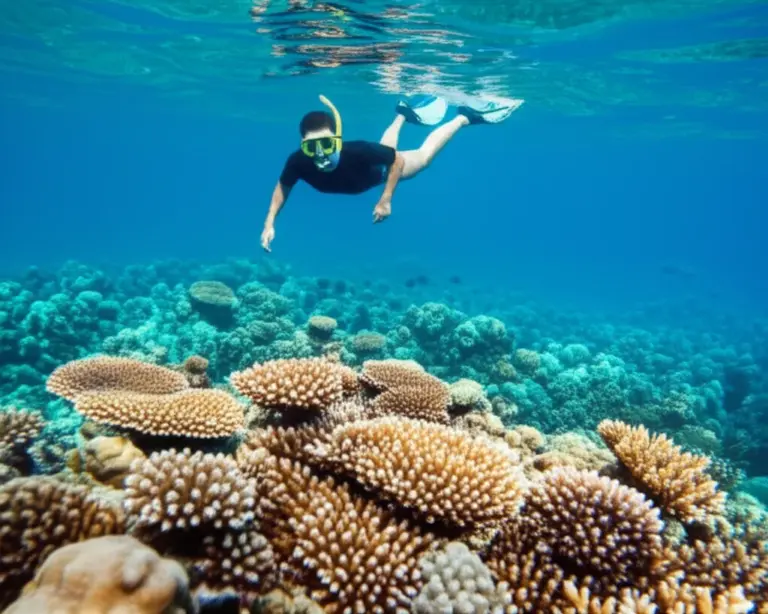
Fins are essential for propulsion, but improper use is a leading cause of coral breakage. If you are snorkeling in very shallow water (less than 2 meters deep) and are a confident swimmer, consider going without fins. If you must wear them, choose shorter, more controllable fins and practice proper technique: keep your knees straight and use slow, controlled kicks parallel to the water’s surface to avoid stirring up sediment or kicking delicate corals.
Best Practices: The Snorkeler’s Code of Conduct
The success of sustainable tourism in Indonesia rests on adherence to simple, yet critical, behavioral guidelines.
Maintaining Neutral Buoyancy and Distance
- Stay Afloat: Never stand on coral. If you need to rest, move to a sandy patch or hold onto a buoy line (if available).
- Keep Your Distance: Maintain a minimum distance of two meters from all coral structures. Corals are slow-growing, fragile animals; one accidental scrape can destroy decades of growth.
- Control Your Movements: If you are struggling with buoyancy control, use a flotation device (like a noodle or life vest) provided by your tour operator.
The ‘Hands-Off’ Rule (Marine Life and Coral)
Touching marine life—be it turtles, fish, or coral—is strictly forbidden. Touching coral not only breaks it but also strips away the protective mucus layer, making it susceptible to disease. Furthermore, many Indonesian marine creatures are venomous or protected. Observe, but never interact physically.
Waste Management and Local Respect
Marine debris, particularly single-use plastics, is a devastating problem in Indonesia. Always bring your trash back to shore, and consider participating in a local beach or reef cleanup if the opportunity arises. Respect local customs and regulations, especially in marine protected areas like Komodo National Park or Raja Ampat, where permits and specific rules are enforced to protect biodiversity.
Top Indonesian Snorkeling Destinations and Their Unique Vulnerabilities
While the focus is on how to Snorkel Responsibly in Indonesia, understanding the specific challenges of key regions enhances your stewardship.
| Destination | Key Attraction | Specific Vulnerability |
|---|---|---|
| Raja Ampat, West Papua | Highest marine biodiversity on Earth | Mass tourism impact; need for strict adherence to zoning laws. |
| Komodo National Park, Flores | Manta rays, strong currents, Komodo dragons | Uncontrolled boat anchoring; disruption of manta feeding patterns. |
| Gili Islands, Lombok | Sea turtles (Green and Hawksbill) | Overcrowding; illegal feeding of turtles; plastic pollution. |
Visual Guide to Reef Etiquette
Watching experienced guides demonstrate proper technique is invaluable before you enter the water. This video offers excellent tips on buoyancy and interaction prevention:
Supporting Sustainable Indonesia Tourism
Your choice of operator matters deeply. Seek out certified eco-tourism businesses that employ local staff, use mooring buoys instead of dropping anchor, and prioritize small group sizes. These operators are vetted for their commitment to marine conservation and ethical practices, ensuring your travel dollars directly support the preservation of Indonesia’s stunning underwater landscapes. By choosing wisely, you become an active partner in conservation, helping Indonesia maintain its reputation as the world’s premier marine destination.
คำถามที่พบบ่อย (FAQ)
References
- Coral Triangle Initiative on Coral Reefs, Fisheries and Food Security (CTI-CFF)
- Scientific studies on sunscreen toxicity and coral bleaching
- Indonesia Ministry of Tourism and Creative Economy official guidelines
- Protecting Coral Reefs in Indonesia: Snorkeling Best Practices, Conservation Fees, and How Tourists Can Help
- Why Coral Reefs in Indonesia Matter: Ecosystem Services, Biodiversity Hotspots, and Threats from Tourism and Climate Change
- Understanding Conservation Fees and Permits: Where Fees Apply in Indonesia, How Funds Are Used, and What Travelers Should Expect