Why Coral Reefs in Indonesia Matter: Ecosystem Services, Biodiversity Hotspots, and Threats from Tourism and Climate Change
- Why Coral Reefs in Indonesia Matter: Ecosystem Services, Biodiversity Hotspots, and Threats from Tourism and Climate Change
Indonesia, an archipelago nation spanning over 17,000 islands, sits at the heart of global marine life. Its underwater treasures, particularly its vast coral reef systems, are not merely beautiful natural spectacles but essential components of the global ecosystem. Understanding why Coral Reefs in Indonesia Matter is crucial for everyone, especially stakeholders in the burgeoning Indonesia tourism industry. These reefs provide irreplaceable economic benefits, sustain millions of lives, and host a level of biodiversity unmatched anywhere else on Earth. However, they face unprecedented threats from climate change and localized human impacts, demanding immediate and coordinated conservation action.
Indonesia: The Epicenter of Marine Biodiversity (The Coral Triangle)
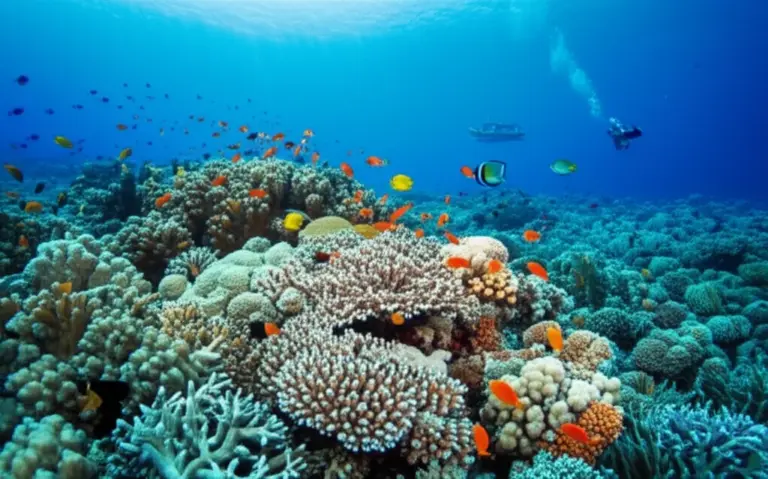
Indonesia forms the core of the Coral Triangle, a marine region recognized as the global center of marine biodiversity. This area, which also includes parts of the Philippines, Malaysia, Papua New Guinea, Timor-Leste, and the Solomon Islands, boasts more coral species (over 600) and more reef fish species (over 3,000) than any other marine environment worldwide. This phenomenal concentration of life is due to complex oceanographic currents and geological history, making areas like Raja Ampat and Komodo National Park magnets for scientific research and high-value eco-tourism.
Unparalleled Species Richness
The sheer scale of biodiversity here is staggering. For example, a single dive site in Raja Ampat can host more species of fish and coral than the entire Caribbean Sea. This richness is not just a biological curiosity; it underpins the resilience of the ecosystem. The health of these reefs supports global marine populations, acting as a nursery and spawning ground for species that migrate across international waters. Protecting this biodiversity is essential for maintaining the balance of global ocean health.
The Critical Ecosystem Services Provided by Indonesian Reefs
Beyond the intrinsic value of their life forms, Indonesian coral reefs provide essential services—natural benefits that directly support human well-being and economic stability. These services are often taken for granted until they are lost.
Coastal Protection and Food Security
Healthy reefs act as natural breakwaters, dissipating up to 97% of wave energy. This crucial function protects coastal communities from storm surges, tsunamis, and erosion, saving billions in potential infrastructure damage. Furthermore, millions of Indonesians rely on reef-associated fisheries for their primary source of protein and livelihood. The degradation of these reefs translates directly into food insecurity for coastal populations.
Economic Backbone: Supporting Indonesia Tourism
The vibrant beauty of the reefs drives a significant portion of the Indonesia tourism economy. Dive tourism, snorkeling, and related coastal activities generate substantial revenue, supporting local businesses, guides, and hotels. Areas like Bali, Lombok, and the eastern islands depend heavily on the pristine condition of their marine environments to attract high-spending international tourists. When reefs bleach or are damaged, the economic viability of these destinations is severely compromised, demonstrating exactly why the health of the Coral Reefs in Indonesia Matter to the national economy.
Dual Threats: Climate Change and Unregulated Tourism
The future of Indonesia’s reefs is precarious, threatened by two powerful forces that often intersect: global climate change and localized human pressures, particularly those associated with tourism development.
The Silent Killer: Ocean Warming and Acidification
Rising sea temperatures cause coral bleaching, where corals expel the symbiotic algae (zooxanthellae) living in their tissues, turning them white. While corals can sometimes recover, prolonged or frequent bleaching events lead to mass mortality. Concurrently, increasing atmospheric CO2 absorbed by the ocean leads to acidification, making it harder for corals to build their calcium carbonate skeletons. These global threats require international cooperation but also local resilience efforts.
Managing the Impact of Mass Tourism
| Direct Tourism Impact | Mitigation Strategy |
|---|---|
| Anchor damage and physical destruction | Implementing mooring buoys and designated anchor zones. |
| Coral trampling by inexperienced divers/snorkelers | Mandatory guide supervision and educational briefings. |
| Pollution (plastic waste, sewage runoff) | Enforcing strict waste management and wastewater treatment protocols in coastal resorts. |
Unregulated tourism development often strains marine environments. Poorly managed dive operations, the construction of coastal infrastructure without environmental assessment, and inadequate waste disposal systems directly harm the reefs. The Indonesia tourism sector has a moral and economic imperative to shift towards sustainable practices that minimize footprint and maximize local benefit.
Pathways to Preservation: Sustainable Tourism and Conservation Efforts
The good news is that Indonesian authorities, NGOs, and responsible tourism operators are actively engaged in conservation. Marine Protected Areas (MPAs), such as those in the Banda Sea and West Papua, are vital for giving reefs a chance to recover and thrive. Sustainable tourism involves practices like capping visitor numbers, charging conservation fees that are reinvested locally, and ensuring that tourist interactions are non-extractive and educational.
For the Indonesia tourism industry to remain viable in the long term, it must embrace its role as a steward of these environments. Investing in local community engagement, supporting scientific research, and promoting eco-friendly certifications are essential steps to ensure that future generations can still experience the magic and understand why Coral Reefs in Indonesia Matter so deeply.
คำถามที่พบบ่อย (FAQ)
References
Coral Triangle Initiative on Coral Reefs, Fisheries and Food Security
WWF Coral Triangle Program
National Oceanic and Atmospheric Administration (NOAA) on Coral Reefs
- Protecting Coral Reefs in Indonesia: Snorkeling Best Practices, Conservation Fees, and How Tourists Can Help
- How to Snorkel Responsibly in Indonesia: Best Practices, Gear Choices, and Codes of Conduct to Prevent Reef Damage
- Understanding Conservation Fees and Permits: Where Fees Apply in Indonesia, How Funds Are Used, and What Travelers Should Expect