Protecting Coral Reefs in Indonesia: Snorkeling Best Practices, Conservation Fees, and How Tourists Can Help
- Protecting Coral Reefs in Indonesia: Snorkeling Best Practices, Conservation Fees, and How Tourists Can Help
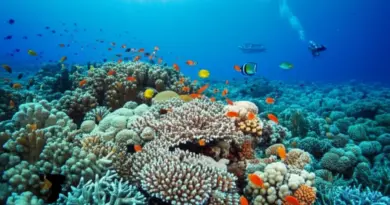
Indonesia, an archipelago nation comprising thousands of islands, sits at the epicenter of marine biodiversity—the Coral Triangle. This region boasts unparalleled underwater ecosystems, making it a dream destination for divers and snorkelers worldwide. However, these delicate habitats face unprecedented threats from climate change, pollution, and, increasingly, unsustainable tourism practices. Understanding your role as a traveler is paramount to **Protecting Coral Reefs in Indonesia**. This guide outlines the best practices, explains mandatory conservation fees, and details actionable steps tourists can take to ensure these vibrant seascapes thrive for future generations.
The Critical Importance of Indonesia’s Coral Triangle
Indonesia’s reefs are not merely beautiful; they are fundamental to global ecological balance and local livelihoods. They act as natural barriers against coastal erosion and provide essential nursery habitats for commercial fish stocks, supporting millions of people through food security and employment in fishing and tourism.
Biodiversity Hotspot
Areas like Raja Ampat in West Papua are globally recognized for having the highest recorded diversity of marine life. A single dive site here can host more species than the entire Caribbean. This extraordinary concentration of life makes conservation efforts in Indonesia uniquely important.
Economic Value and Threats
The tourism revenue generated by snorkeling and diving in locations like Bali, Komodo, and the Gili Islands is substantial. However, this growth brings challenges, including anchor damage, pollution from boats and resorts, and physical contact from inexperienced visitors. Mitigating these localized threats through educated tourism is the most immediate way travelers can make a difference.
Snorkeling and Diving: Best Practices for Minimal Impact
Whether you are a seasoned diver or trying snorkeling for the first time, your behavior in the water directly impacts the health of the fragile ecosystem. Adopting these best practices is essential for **Protecting Coral Reefs in Indonesia** while enjoying their beauty.
The Golden Rules of Buoyancy and Contact
- **Maintain Distance:** Keep a minimum distance of one meter from all coral structures. Coral looks like rock, but it is a colony of tiny, living animals (polyps). A single touch can kill decades of growth.
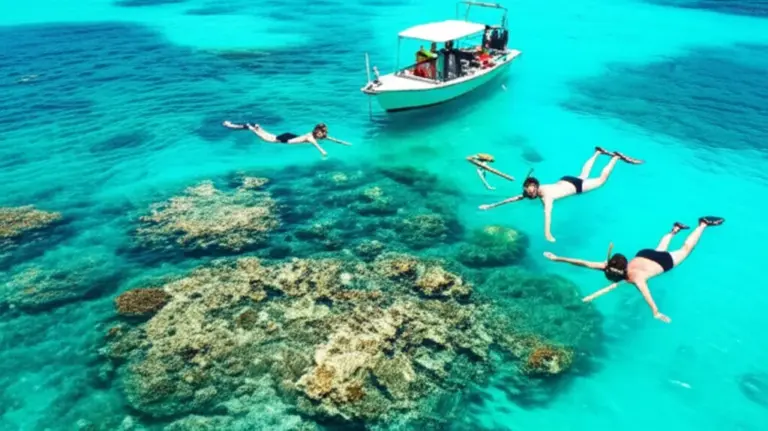
- **Master Buoyancy:** For snorkelers, this means staying horizontal and avoiding kicking sand or scraping fins against the reef. For divers, perfect neutral buoyancy is non-negotiable.
- **Hands Off Marine Life:** Never touch, chase, feed, or harass any marine creature, including sea turtles, manta rays, or fish. This interferes with their natural behavior and can transmit diseases.
Choosing Reef-Safe Sunscreen
Chemical sunscreens are a massive contributor to coral degradation. Ingredients like oxybenzone and octinoxate cause coral bleaching even in minute concentrations. Before entering Indonesian waters, ensure your sunscreen is mineral-based (containing zinc oxide or titanium dioxide) and labeled as ‘reef-safe.’ Better yet, cover up with rash guards and hats.
Watch this short feature to truly appreciate the incredible biodiversity that your responsible actions help preserve.
Understanding Conservation Fees and Permits
In many of Indonesia’s most pristine marine environments, conservation fees are mandatory. These fees are a direct investment in the protection of the area, funding essential services such as park patrols, monitoring programs, and community-based conservation initiatives. They are a necessary cost of visiting a protected natural wonder.
Where Does the Money Go?
The structure and cost of fees vary by location. For example, the entrance ticket (PIN tag) in Raja Ampat National Park is substantial, but it directly finances the local Marine Protected Area (MPA) management body. Similarly, fees collected at Komodo National Park support ranger salaries and anti-poaching efforts. Always inquire about and pay the official conservation fees; avoidance undermines the entire conservation effort.
| Protected Area | Fee Type | Purpose |
|---|---|---|
| Raja Ampat | PIN Tag (Annual) | MPA Management, Community Development |
| Komodo National Park | Entrance Fee (Daily/Multi-day) | Ranger Patrols, Infrastructure Maintenance |
| Gili Islands (Specific areas) | Local Conservation Levy | Waste Management, Reef Restoration |
Beyond the Water: How Tourists Can Help
Your influence on **Protecting Coral Reefs in Indonesia** extends far beyond the moment you leave the water. Conscious consumer choices and a commitment to sustainability on land can have a massive cumulative impact.
Supporting Eco-Certified Operators
Choose tour operators, dive centers, and accommodations that demonstrate a genuine commitment to environmental protection. Look for those that:
- Use mooring buoys instead of dropping anchor.
- Have clear policies on waste management and plastic reduction.
- Employ and train local staff in conservation practices.
- Offer detailed briefings on reef etiquette before every trip.
Reducing Plastic Use
Plastic pollution is one of the deadliest threats to marine life. Single-use plastics often end up in the ocean, where they can smother reefs or be ingested by turtles and fish. Always travel with a reusable water bottle, refuse plastic straws, and support businesses that offer filtered water refills. Many Indonesian destinations are actively working to reduce plastic waste, and tourists must be part of the solution, not the problem.
Participating in Citizen Science or Cleanups
If time permits, consider dedicating a few hours to a local beach or underwater cleanup organized by your accommodation or dive center. Furthermore, programs like CoralWatch allow snorkelers and divers to contribute valuable data on coral health by recording color changes, turning a fun activity into citizen science.
Conclusion
Indonesia offers an unparalleled window into the marine world. By adhering to strict snorkeling best practices, respecting conservation fees, and making mindful choices on land, tourists become essential partners in safeguarding this irreplaceable natural heritage. Your commitment to responsible travel ensures that the magic of Indonesia’s coral reefs endures.
คำถามที่พบบ่อย (FAQ)
Why are Indonesia’s coral reefs so important?
They form the heart of the Coral Triangle, holding the highest marine biodiversity on Earth. They support global ecological balance, provide natural coastal protection, and sustain local economies through tourism and fishing.
What is ‘reef-safe’ sunscreen?
‘Reef-safe’ sunscreen is a mineral-based product (usually containing zinc oxide or titanium dioxide) that does not contain harmful chemicals like oxybenzone and octinoxate, which are known to cause coral bleaching and DNA damage.
Are conservation fees mandatory in Indonesian protected areas?
Yes, in major marine protected areas such as Raja Ampat and Komodo National Park, conservation fees are mandatory. These fees are critical for funding park management, anti-poaching patrols, and local conservation initiatives.
Can I touch marine animals while snorkeling?
Absolutely not. Touching marine life, including corals, can cause extreme stress, remove their protective mucus layers, and introduce harmful bacteria from your skin, potentially leading to disease or death.
References
- Coral Triangle Initiative on Coral Reefs, Fisheries and Food Security (CTI-CFF)
- Raja Ampat Marine Park Official Website
- NOAA: Effects of Sunscreen on Coral
- Why Coral Reefs in Indonesia Matter: Ecosystem Services, Biodiversity Hotspots, and Threats from Tourism and Climate Change
- How to Snorkel Responsibly in Indonesia: Best Practices, Gear Choices, and Codes of Conduct to Prevent Reef Damage
- Understanding Conservation Fees and Permits: Where Fees Apply in Indonesia, How Funds Are Used, and What Travelers Should Expect