When to go: seasonality, whale shark migration patterns, and ideal conditions for ethical sightings
- When to go: seasonality, whale shark migration patterns, and ideal conditions for ethical sightings
Indonesia, an archipelago of unparalleled biodiversity, offers some of the world’s most breathtaking opportunities to encounter the ocean’s largest fish: the magnificent whale shark. For many travelers, swimming alongside these gentle giants is a bucket-list dream. However, transforming this dream into a responsible reality requires understanding their complex **whale shark migration patterns**, optimal seasonality, and the crucial tenets of ethical tourism. This comprehensive guide will equip you with the knowledge to plan an unforgettable and conscientious adventure.
Understanding Whale Shark Migration Patterns in Indonesia
Unlike some migratory species with predictable annual routes, whale shark movements are primarily dictated by food availability. They are filter feeders, constantly seeking areas rich in plankton, krill, and small fish. Indonesia’s vast and varied marine ecosystems mean that `whale shark migration patterns` are often localized and influenced by regional oceanographic conditions, rather than a single, overarching movement across the entire archipelago.
The General Cycle and Regional Nuances
While there isn’t a single ‘whale shark season’ for all of Indonesia, certain regions have developed reputations for more reliable sightings due to unique environmental factors:
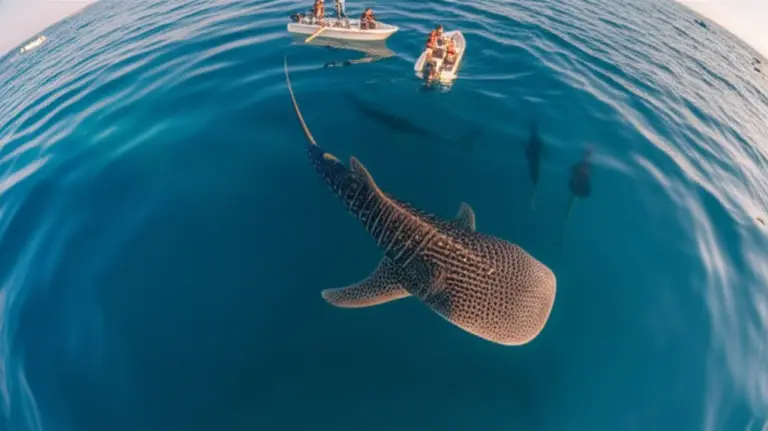
- Cenderawasih Bay, West Papua: This is arguably Indonesia’s most famous and consistent whale shark hotspot. What makes it unique is the symbiotic relationship between the whale sharks and local fishermen who operate ‘bagan’ (fishing platforms). The sharks gather below these platforms to feed on bycatch and small fish released by the fishermen. This unusual feeding behavior makes sightings highly probable year-round, though weather conditions can still influence accessibility.
- Raja Ampat, West Papua: Known as the ‘Epicentrum of Biodiversity,’ Raja Ampat also hosts whale sharks, though sightings are more seasonal and less predictable than in Cenderawasih Bay. They are typically seen during periods of rich plankton blooms, often between October and April, coinciding with the region’s dry season.
- Komodo National Park / Flores: While primarily famous for its Komodo dragons and manta rays, whale sharks are occasionally sighted in the waters around Komodo and Flores. These encounters are generally more opportunistic, with peak chances often reported around April-May and September-October, when marine conditions are favorable.
Optimal Seasonality for Whale Shark Sightings
Beyond `whale shark migration patterns`, seasonality plays a critical role in planning your trip. This encompasses not just the presence of the sharks, but also weather, sea conditions, and overall travel logistics.
Peak Seasons vs. Shoulder Seasons
Indonesia generally experiences two main seasons: the dry season (May to September) and the wet season (October to April). While the dry season offers calmer seas and sunnier skies, making travel easier, it doesn’t universally guarantee whale shark sightings across all locations.
- Cenderawasih Bay: Due to the unique feeding dynamics, whale sharks are present year-round. However, the period from May to October often offers the calmest seas and best visibility, making it the most comfortable time for visitors.
- Raja Ampat: The wet season, particularly October to April, is often cited as the best time for whale shark encounters here, as it aligns with plankton blooms that draw them in. While there might be more rain, the underwater world remains vibrant.
- Komodo/Flores: The dry season (April-May and September-October) is generally considered better for overall marine life encounters, including the occasional whale shark, due to clearer waters and calmer conditions.
Weather and Water Conditions
Consider the following when planning:
| Factor | Impact on Whale Shark Sightings | Ideal Conditions |
|---|---|---|
| Visibility | Plankton blooms attract sharks but reduce visibility. | Good visibility (10-20m) for clear views, but some plankton is necessary. |
| Sea State | Rough seas make boat travel uncomfortable and spotting difficult. | Calm waters are ideal for comfort and safety. |
| Water Temperature | Whale sharks prefer warmer waters (21-25°C). | Consistent warm temperatures are favorable. |
| Currents | Strong currents can be challenging for snorkeling/diving. | Mild currents are preferable for ease of encounter. |
Ensuring Ethical Whale Shark Encounters
The increasing popularity of whale shark tourism brings with it a significant responsibility. Ethical practices are paramount to ensure these magnificent creatures are protected for future generations. Choose operators who prioritize the well-being of the sharks and the marine environment.
Choosing Responsible Operators
Look for tour companies that:
- Adhere strictly to whale shark interaction guidelines (e.g., no touching, maintaining distance).
- Provide thorough briefings on ethical behavior before entering the water.
- Limit the number of boats and swimmers around each whale shark.
- Do not chase or harass the animals.
- Educate guests on whale shark biology and conservation.
- Support local communities and conservation initiatives.
Best Practices for Swimmers
When in the water, remember these rules:
- Maintain Distance: Stay at least 3 meters from the head and 4 meters from the tail.
- No Touching: Never touch, ride, or impede the whale shark’s movement.
- No Flash Photography: Flash can distress marine life.
- Swim Calmly: Avoid sudden movements or loud noises.
- Listen to Guides: Always follow the instructions of your experienced guides.
Planning Your Trip: Key Locations and Logistics
Once you understand the `whale shark migration patterns` and ethical considerations, the next step is planning the logistics for your chosen destination.
Cenderawasih Bay: A Year-Round Haven?
Cenderawasih Bay offers the highest probability of sightings. Access is typically via flights to Nabire or Manokwari in West Papua, followed by a liveaboard boat or local day trips. Due to its remote nature, planning ahead with a reputable tour operator is essential. While whale sharks are present year-round, the calmest weather from May to October generally offers the most comfortable experience.
Raja Ampat: Diving Paradise with Seasonal Giants
Raja Ampat is a world-class diving destination. Whale shark encounters here are a bonus, often occurring between October and April. Fly into Sorong, then connect to a liveaboard or resort. Combining a whale shark search with Raja Ampat’s phenomenal coral reefs and other marine life is a popular choice for divers.
Other Potential Spots
While less reliable, whale sharks have been sighted in other Indonesian waters, including parts of Sulawesi and even occasionally near Bali or Lombok. These are typically opportunistic encounters rather than planned tours. Always consult local dive centers for the most current information if you’re exploring these areas.
Conclusion
Encountering a whale shark in Indonesia is an awe-inspiring experience that highlights the incredible biodiversity of our oceans. By understanding `whale shark migration patterns`, planning for optimal seasonality, and committing to ethical interaction guidelines, you can ensure your trip is not only memorable but also contributes positively to the conservation of these magnificent creatures and their marine habitat. Choose wisely, travel responsibly, and prepare for an encounter that will stay with you forever.
คำถามที่พบบ่อย (FAQ)
References
- WWF – Whale Shark Species Profile
- Conservation International – How to Swim with Whale Sharks Ethically
- Dive Magazine – Cenderawasih Bay: Where to find Indonesia’s Whale Sharks
- Responsible Whale Shark Encounters in Nabire: Codes of Conduct, Best Seasons, and How to Plan a Safe, Ethical Visit
- Why responsible encounters matter: conservation, local communities, and legal considerations in Nabire
- Rules of engagement: local codes of conduct, safe distances, permitted activities, and tips for minimizing disturbance