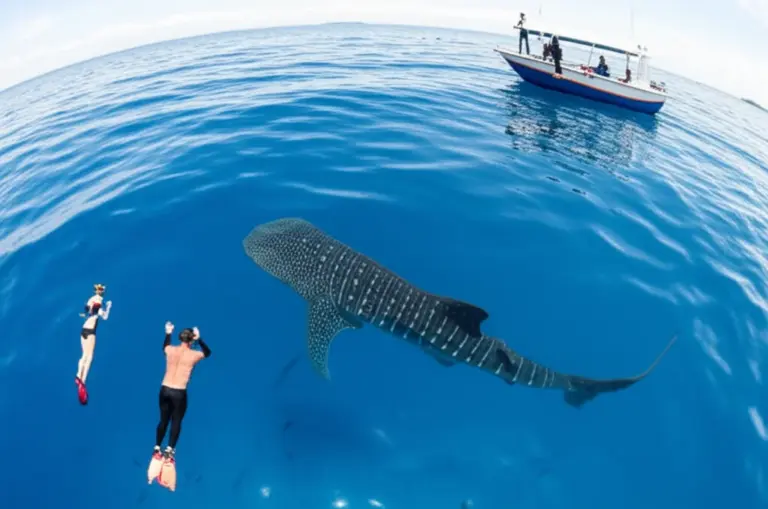
Responsible Whale Shark Encounters in Nabire: Codes of Conduct, Best Seasons, and How to Plan a Safe, Ethical Visit
- Responsible Whale Shark Encounters in Nabire: Codes of Conduct, Best Seasons, and How to Plan a Safe, Ethical Visit
Indonesia, an archipelago renowned for its breathtaking natural beauty and rich biodiversity, offers unparalleled opportunities for marine encounters. Among these, the chance to swim alongside the majestic whale sharks in Nabire, Papua, stands out as a truly magical experience. However, with such a privilege comes a profound responsibility. This guide is dedicated to ensuring your Responsible Whale Shark Encounters in Nabire are not only unforgettable but also contribute positively to the conservation of these gentle giants and their unique habitat. We’ll delve into the essential codes of conduct, pinpoint the best seasons for your visit, and provide comprehensive advice on planning a safe and ethical trip.
Nabire, located on the northern coast of Papua, offers a distinctive interaction with whale sharks, primarily around the fishing platforms (bagans) in Cenderawasih Bay. Unlike other locations where whale sharks are migratory, a unique feeding behavior here allows for more consistent sightings. Understanding and adhering to ethical guidelines is paramount to preserving this delicate ecosystem and ensuring the long-term well-being of these incredible creatures. Join us as we explore how to make your dream of swimming with whale sharks a reality, responsibly.
Why Nabire is a Premier Destination for Whale Shark Encounters
Nabire’s reputation as a top spot for whale shark interactions stems from a unique confluence of ecological factors and local practices. It’s not just about seeing whale sharks; it’s about experiencing them in a way that feels intimate and authentic, thanks to the local fishermen’s traditional methods.
The Unique Allure of Cenderawasih Bay
Cenderawasih Bay National Park, a marine protected area, is a biodiversity hotspot. Its calm, nutrient-rich waters attract a diverse array of marine life, including the whale sharks. What makes Nabire particularly special is the interaction between the whale sharks and the local fishermen’s bagans. These fishing platforms, lit at night, attract small fish, which in turn draw the whale sharks. This unique behavior makes sightings exceptionally reliable, offering an almost guaranteed encounter.
Understanding the Gentle Giants
Whale sharks (Rhincodon typus) are the largest fish in the world, yet they are filter feeders, consuming plankton and small fish. Despite their immense size, they are incredibly docile, earning them the nickname ‘gentle giants of the ocean.’ Their presence in Nabire is a testament to the health of the marine ecosystem and the availability of their preferred food sources. Respecting their natural behavior and space is crucial for sustainable tourism.
Codes of Conduct for Responsible Whale Shark Encounters in Nabire
To ensure that your Responsible Whale Shark Encounters in Nabire remain ethical and harmless to the animals, strict guidelines must be followed. These codes are designed to protect both the whale sharks and the visitors.
Before You Enter the Water
-
No Sunscreen/Lotion: Avoid wearing chemical sunscreens or lotions as they can harm marine life. Opt for rash guards or wetsuits for sun protection.
-
Briefing: Attend and pay close attention to the pre-swim briefing provided by your tour operator. This will cover all safety protocols and interaction rules.
-
Swimming Ability: Ensure you are a confident swimmer or comfortable with a life vest, as you will be in open water.
While in the Water with Whale Sharks
-
Maintain Distance: Keep a minimum distance of 3 meters (10 feet) from the head and 4 meters (13 feet) from the tail of the whale shark. Do not block their path.
-
Do Not Touch: Under no circumstances should you touch, ride, or harass the whale sharks. This can stress them and remove their protective mucus layer.
-
Flash Photography: Avoid using flash photography, as it can startle and disorient the whale sharks.
-
Group Size: Swim in small, controlled groups to minimize disturbance.
-
No Littering: Ensure no trash, food, or other pollutants enter the water.
Supporting Local Conservation Efforts
Choosing tour operators that adhere to strict ethical guidelines and contribute to local conservation is crucial. Inquire about their practices and support those who actively engage in research, education, and community-based conservation programs for whale sharks and their habitat.
Best Seasons to Visit Nabire for Whale Sharks
One of the most remarkable aspects of Nabire is the near year-round presence of whale sharks, making it a highly accessible destination for these encounters.
The Year-Round Phenomenon
Unlike many other whale shark destinations where sightings are seasonal, Nabire’s unique feeding relationship with the bagan fishermen means whale sharks are present throughout the year. They are attracted to the small fish caught in the nets, creating a consistent opportunity for interaction.
Optimal Conditions for Encounters
While whale sharks are present year-round, the dry season (roughly April to October) typically offers the calmest seas and best visibility, making for more comfortable boat rides and clearer underwater views. However, even during the rainy season, encounters are very likely, though sea conditions might be choppier. Always check with local operators for the most current weather and sea conditions.
Planning Your Safe and Ethical Whale Shark Trip to Nabire
A well-planned trip ensures both your safety and a truly Responsible Whale Shark Encounters in Nabire. Here’s what you need to consider:
Choosing a Reputable Tour Operator
This is perhaps the most critical step. Look for operators that:
-
Prioritize whale shark welfare and conservation.
-
Provide thorough briefings on codes of conduct.
-
Offer experienced guides who monitor interactions.
-
Use appropriate safety equipment (life vests, first aid).
-
Support local communities and sustainable practices.
Research reviews and ask direct questions about their conservation policies before booking. Local operators often have the best insights and relationships with the fishing communities.
Accommodation and Logistics
Nabire is a remote destination, so planning is essential. Flights typically connect via major Indonesian cities like Makassar or Jakarta. Accommodation options range from basic guesthouses to more comfortable hotels. Book your flights and accommodation well in advance, especially during peak travel seasons. Your tour operator might also offer package deals that include transfers and accommodation.
What to Bring
The Impact of Responsible Tourism
By adhering to the codes of conduct and choosing ethical operators, you contribute directly to the sustainability of whale shark tourism in Nabire. This not only protects the whale sharks but also provides economic benefits to local communities, encouraging them to continue their conservation efforts. Your visit helps raise awareness and supports the ongoing research into these magnificent creatures. Embrace the opportunity to be an ambassador for responsible marine tourism.
Here’s a glimpse into the beauty of Nabire’s underwater world, showcasing the incredible whale sharks:
คำถามที่พบบ่อย (FAQ)
Q1: Are whale shark encounters in Nabire guaranteed?
While no wildlife encounter can be 100% guaranteed, Nabire offers one of the highest probabilities for whale shark sightings due to their unique feeding relationship with local fishing bagans. Their presence is remarkably consistent throughout the year.
Q2: Is it safe to swim with whale sharks?
Yes, whale sharks are docile filter feeders and pose no threat to humans. As long as you follow the codes of conduct, maintain a respectful distance, and listen to your experienced guide, swimming with them is very safe.
Q3: How do I get to Nabire?
Nabire is accessible by domestic flights from major Indonesian cities like Jakarta (CGK), Makassar (UPG), or Jayapura (DJJ). You will typically fly to Douw Aturure Airport (NBX) in Nabire. From the airport, your tour operator can arrange transfers to your accommodation and the departure point for whale shark tours.
Q4: What is the impact of tourism on Nabire’s whale sharks?
If managed responsibly, tourism can provide economic incentives for local communities to protect whale sharks and their habitat. However, unregulated tourism can lead to stress on the animals, habitat degradation, and behavioral changes. Adhering to codes of conduct and choosing ethical operators is vital to ensure a positive impact.
- Why responsible encounters matter: conservation, local communities, and legal considerations in Nabire
- When to go: seasonality, whale shark migration patterns, and ideal conditions for ethical sightings
- Rules of engagement: local codes of conduct, safe distances, permitted activities, and tips for minimizing disturbance