The Ijen Crater and Blue Fire: Ultimate Guide to Witnessing the Volcano’s Fiery Spectacle
- The Ijen Crater and Blue Fire: Ultimate Guide to Witnessing the Volcano’s Fiery Spectacle
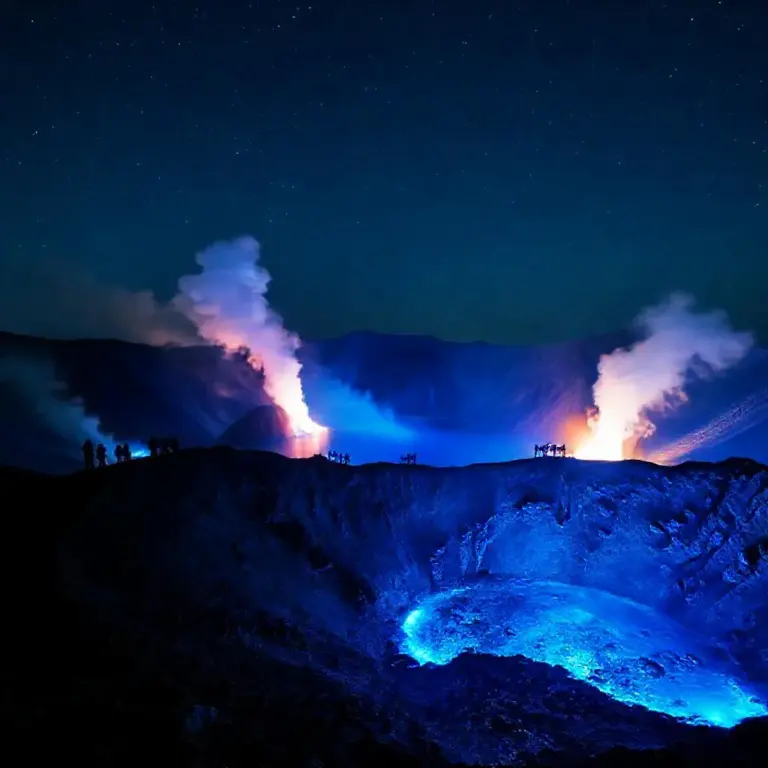
Standing atop the rim of Mount Ijen in East Java, Indonesia, as the pre-dawn darkness gives way to an ethereal, electric blue glow, is an experience that transcends typical tourism. This guide is your definitive resource for planning the trek to witness The Ijen Crater and Blue Fire, one of nature’s most spectacular and mysterious displays. We delve into the logistics, safety precautions, and the science behind this fiery spectacle, ensuring your journey is unforgettable and responsible.
Understanding the Ijen Blue Fire Phenomenon
The intense blue flames visible at night are not lava, as many first-time visitors mistakenly believe. The blue fire is a result of the combustion of sulfuric gases that leak from the volcano’s vents. As these gases meet the oxygen-rich air at high temperatures (estimated between 110°C and 200°C), they ignite, creating a stunning, otherworldly blue luminescence. This unique geological event makes Ijen Crater a bucket-list destination for adventurers and nature lovers alike. The spectacle is best viewed between 2:00 AM and 4:00 AM.
The Science Behind the Blue Glow
Expert analysis confirms that the blue color is due to the burning of specific sulfur compounds. Unlike regular fire, which emits yellow or orange light due to incandescent carbon particles, the Ijen gas burns cleanly, allowing the light emitted by the excited sulfur molecules to dominate the visible spectrum.
Planning Your Ascent: Essential Logistics
A successful trip to Ijen requires meticulous planning, especially regarding timing and transportation. Located in the Banyuwangi Regency of East Java, reaching the crater involves multiple stages.
Getting to Banyuwangi (The Gateway)
Most travelers arrive via Bali or Surabaya. From Bali, you can take a ferry from Ketapang Harbor to Banyuwangi’s port. If traveling from Surabaya, high-speed trains offer a scenic and comfortable route directly to Banyuwangi Baru station.
Choosing Your Tour Package
While independent travel is possible, most opt for organized tours departing from Banyuwangi or even Bali. A typical tour includes:
- Overnight transport to the base camp (Paltuding).
- Mandatory local guide fees.
- Rental of necessary safety equipment (gas masks).
The Trek Itself: Altitude and Duration
The hike starts at the Paltuding post (approx. 1,800m). The trail to the crater rim is steep, covering about 3 kilometers. Expect the ascent to take 1.5 to 2 hours, depending on fitness. The descent to the viewing point for the blue fire is often treacherous and requires careful footing.
Witnessing active volcanic processes demands respect and adherence to safety guidelines. Your guide’s instructions must be followed rigorously, especially concerning the toxic sulfur fumes.
The Essential Gas Mask
A proper, well-sealed gas mask with appropriate filters is non-negotiable. The sulfuric acid vapor can cause severe respiratory irritation and eye damage. Many tour operators provide these, but verifying the quality of the filter is part of responsible preparation. Never attempt the descent without one.
Respecting the Miners and the Environment
Ijen is not just a tourist site; it is a major sulfur mining operation. Local miners carry heavy loads of sulfur from the crater floor up to the rim. Show them the utmost respect, step aside to let them pass, and never impede their work. Supporting local guides and porters directly benefits the community reliant on this challenging industry.
The View from the Crater Rim and Kawah Ijen Lake
After descending to see the blue fire, the trek continues up to the crater rim. From here, you are rewarded with one of the world’s most stunning views: the turquoise acid lake of Kawah Ijen. This crater lake is the largest highly acidic crater lake in the world, holding approximately 35 million cubic meters of water that can reach a pH of 0.5.
| Feature | Description | Best Time to View |
|---|---|---|
| Blue Fire | Combustion of sulfuric gases. | 2:00 AM – 4:00 AM |
| Crater Lake | Massive, highly acidic turquoise water body. | Sunrise (after blue fire viewing) |
| Sunrise | Panoramic views over East Java. | 6:00 AM onwards |
Capturing the Memory: Photography Tips
Photographing the blue fire is notoriously difficult due to the low light, humidity, and the need to keep your mask on. Use a sturdy tripod, a camera capable of long exposures (30 seconds or more), and a wide aperture. Remember to use a reliable video capture for the blue fire, as still images often fail to capture its movement.
Where to Stay and Practical Tips for Your Visit
Accommodation options center around Banyuwangi city or smaller villages closer to the park entrance, such as Licin. Staying closer reduces early morning travel time.
What to Pack for the Ijen Trek
Layering is crucial. The base camp is warm, but the summit is cold, especially before sunrise. Essential items include:
- Sturdy hiking boots with good ankle support.
- Warm layers (fleece, jacket, beanie).
- At least 2 liters of water.
- Headlamp (essential for the dark trek).
Location Context
To orient yourself, Ijen is situated in the far eastern tip of Java, near the Bali Strait. Its accessibility has greatly improved over the last decade, making The Ijen Crater and Blue Fire a more manageable adventure for international tourists.
คำถามที่พบบ่อย (FAQ)
Here are answers to common questions regarding your Ijen adventure.
1. Is it possible to see the Blue Fire during the day?
No. The blue fire is only visible in absolute darkness, typically between 1:00 AM and 4:00 AM. As soon as the sun begins to rise, the effect vanishes.
2. How difficult is the hike to Ijen Crater?
The trek is moderately strenuous. It involves a steep, rocky incline lasting about 90 minutes to reach the rim, followed by a steep, slippery descent down to the viewing area near the vents. Good physical fitness is highly recommended.
3. Can I visit Ijen Crater directly from Bali?
Yes, it is possible, usually involving a late-night drive to the Gilimanuk ferry port, crossing to Ketapang (Banyuwangi), and then driving to Paltuding. Many organized day/overnight tours cater specifically to travelers coming from Bali.
4. Are children allowed to hike Mount Ijen?
While there is no strict age ban, it is generally not recommended for young children or the elderly due to the dark conditions, steep terrain, and exposure to sulfuric fumes. Guides often advise against taking children under 12.
References
For further reading on the geology and safety protocols of the region, please consult reputable geological surveys or official Indonesian tourism sites. Volcano Discovery – Ijen and Wonderful Indonesia Official Site.
- What is the Ijen Crater and Blue Fire? — Origins, geology, and why the phenomenon is unique to Ijen (blue flames, sulfuric glow, and volcanic gases)
- How to plan your Ijen Blue Fire adventure — best times to visit, permits, guided tours, safety considerations, and eco-friendly practices
- Hiking the Ijen Crater: routes, difficulty, equipment, and tips for sunrise treks and night photography of the blue fire