The Living Rice Terraces of Bali: Hands-On Farming and Cultural Experiences
- The Living Rice Terraces of Bali: Hands-On Farming and Cultural Experiences
Exploring Bali means immersing yourself in emerald landscapes, and nothing embodies this more profoundly than its iconic rice paddies. This guide dives deep into The Living Rice Terraces of Bali: Hands-On Farming and Cultural Experiences, moving beyond mere sightseeing to connect you with the ancient agricultural heart of the island. The true magic lies in understanding the intricate, millennia-old water management system known as Subak, a UNESCO World Heritage tradition that sustains Balinese life and spirituality.
The Mystique of Bali’s Green Canvas: More Than Just Scenery
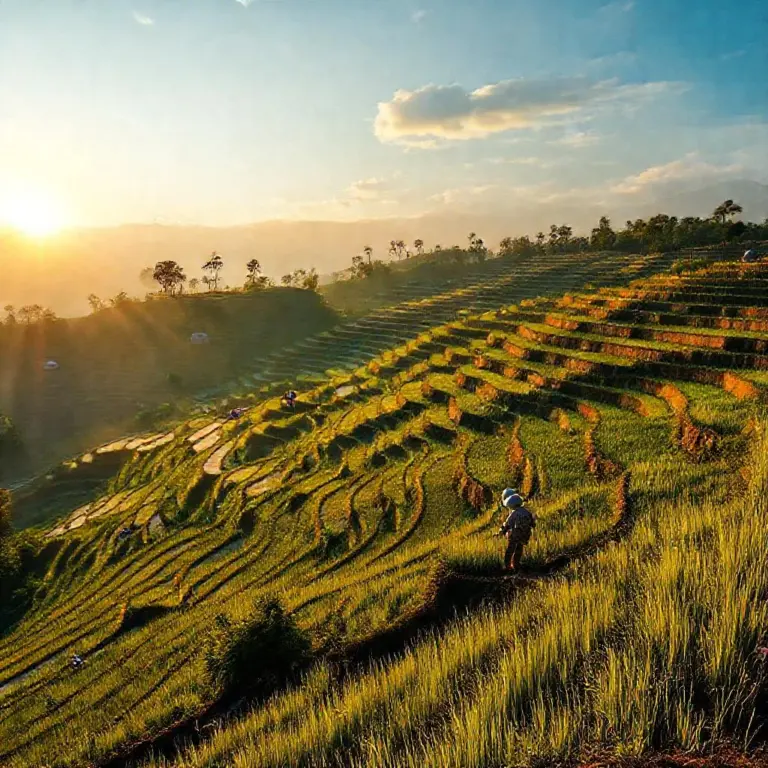
When travelers picture Bali, images of cascading green tiers often come to mind. Locations like Jatiluwih and Tegalalang are globally famous, yet their beauty is only surface-deep. These terraces are not relics; they are working ecosystems, meticulously maintained by local farmers (petani) using methods passed down since the 9th century. To truly appreciate them, one must understand the philosophy underpinning their existence.
Understanding the Subak System: A Spiritual Web
The Subak system is the cornerstone of Balinese rice cultivation. It is a democratic and cooperative water-sharing network managed by local temple priests and farmers. Water is diverted from mountain springs through a complex network of tunnels, sluices, and weirs to irrigate the terraces below. Crucially, the distribution is governed not just by efficiency, but by religious principles tied to the Balinese Hindu concept of Tri Hita Karana—harmony between people, nature, and the divine.
This cooperative structure ensures equitable water distribution, preventing conflicts and sustaining the entire community. Recognizing its profound cultural significance, UNESCO inscribed the Subak system as a World Heritage Site in 2012.
Top Destinations for Immersive Rice Terrace Experiences
While countless smaller terraces exist, certain locations offer structured opportunities for tourists interested in The Living Rice Terraces of Bali: Hands-On Farming and Cultural Experiences.
1. Jatiluwih: The UNESCO Grand Scale
Jatiluwih, located in the central highlands, presents the most expansive and well-preserved example of the Subak landscape. Its sheer scale is breathtaking. Here, tours often focus on guided trekking through the paddies, explaining the different stages of rice growth—from planting to harvest.
2. Tegalalang: Accessibility and Activity Hub
Near Ubud, Tegalalang is renowned for its dramatic, steep terraces and swing attractions. While sometimes crowded, it offers excellent infrastructure for visitors, including cafes overlooking the valley and dedicated areas where local farmers demonstrate traditional planting techniques.
3. Sidemen Valley: The Authentic Retreat
For those seeking deeper immersion away from the main tourist hubs, Sidemen offers a quieter, more authentic experience. Many local homestays organize intimate farming workshops where you can truly get your hands dirty.
Hands-On Farming: Participating in the Cycle of Life
The most rewarding aspect of visiting these terraces is the opportunity to move from observer to participant. Many local communities are embracing agritourism to supplement their income and educate visitors about sustainable practices. These hands-on sessions are invaluable for understanding the sheer labor involved in producing the staple food of Indonesia.
What to Expect in a Farming Workshop:
- Paddy Preparation: Learning how the fields are flooded and tilled, often using traditional methods involving oxen or manual labor.
- Rice Planting: The delicate process of transplanting seedlings from the nursery bed into the main flooded paddy. This is often done barefoot!
- Harvesting Demonstration: Witnessing or participating in the cutting of the mature stalks, usually followed by traditional threshing methods.
These experiences connect you directly to the land and the farmers, providing context for every grain of rice consumed. It’s a powerful lesson in sustainability and community resilience.
Cultural Integration: Temples and Traditions
The rice terraces are inseparable from Balinese Hinduism. Water temples (Pura Tirta) are integral to the Subak network, as they are where the spiritual purification and scheduling of water distribution take place. Participating in a cultural tour often includes a visit to one of these sacred sites.
Many tours conclude with a traditional Balinese meal overlooking the terraces, offering a chance to reflect on the harmony achieved through this unique agricultural partnership.
Practical Tips for Your Terrace Adventure
To maximize your enjoyment of The Living Rice Terraces of Bali: Hands-On Farming and Cultural Experiences, planning is key.
| Aspect | Recommendation |
|---|---|
| Best Time to Visit | April to October (Dry Season) for clear views, though planting/harvest cycles vary. |
| What to Wear | Lightweight, breathable clothing, sturdy walking shoes or sandals, and sun protection. |
| Booking Farming Tours | Arrange through reputable local guides or established agritourism operators in Ubud or Sidemen. |
For an in-depth look at the natural beauty and the farming life, here is a compelling visual guide:
คำถามที่พบบ่อย (FAQ)
Q: Are the rice terraces in Bali always green?
A: No. The color depends on the planting cycle. They can range from submerged and newly planted (bright green) to mature (deep emerald) or golden yellow just before harvest. The cycle is managed by the Subak system.
Q: Is Tegalalang or Jatiluwih better for hands-on farming?
A: Jatiluwih often provides a more expansive, less commercialized trek through active fields. Tegalalang has more structured, shorter demonstration areas near tourist spots, making it easier for quick visits.
Q: How long does it take to grow a crop of rice in Bali?
A: Generally, the growth cycle from planting to harvest takes approximately 4 to 5 months, allowing for multiple harvests per year in some areas due to the efficient water management.
Q: What is the significance of the water temples in the Subak system?
A: Water temples, or Pura Tirta, are central to the Subak system as they are dedicated to Dewi Danu, the goddess of water. They are where farmers pray for abundant water and where the religious scheduling of water flow is determined.
References
Experiencing these living landscapes offers a profound connection to Balinese culture, far beyond the beaches and resorts.
- How to Get There and What to Expect: Practical Tips for Visiting Bali’s Rice Terraces and Booking a Hands-On Farming Experience
- A Day in the Fields: Step-by-Step What Happens During a Hands-On Rice Farming Workshop in Bali (planting, irrigation, harvesting, tools)
- Cultural Context and Local Traditions: Understanding Subak Irrigation, Balinese Rituals, and Farmer Life Behind the Terraces