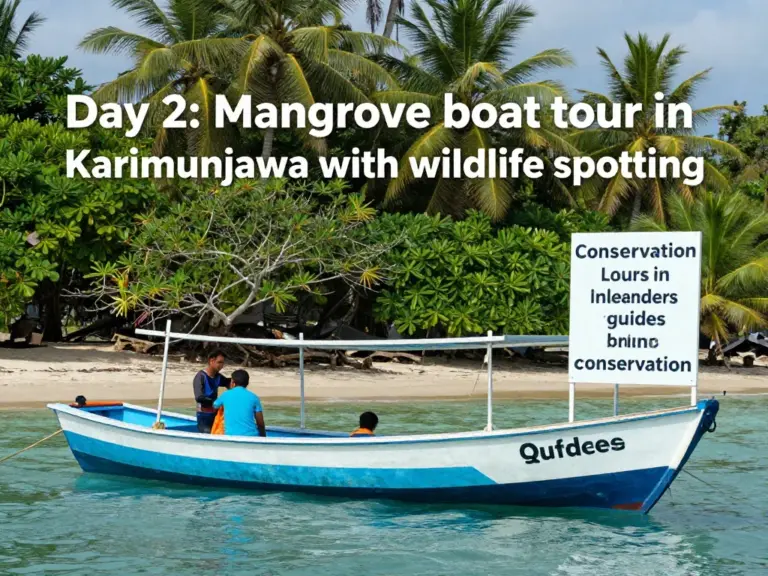
Day 2: Mangrove tours and wildlife on Karimunjawa — routes, guides, and conservation tips
Welcome to the second day of your island adventure! While many flock to these islands for the turquoise waters and coral reefs, the true ecological heart of the archipelago lies within its lush greenery. Today, we focus on mangrove tours and wildlife on Karimunjawa, an experience that offers a serene contrast to the bustling beach life. The Karimunjawa National Park protects a vast ecosystem where land meets sea, providing a sanctuary for unique flora and fauna that you won’t find anywhere else in Central Java.
The Majestic Mangrove Forest: An Overview
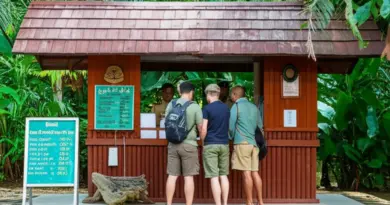
The Mangrove Forest Tracking (Hutan Mangrove) is located on the main island of Karimunjawa. Covering over 10 hectares, this area features a well-maintained wooden boardwalk that stretches for about 2 kilometers through the dense forest. As you embark on mangrove tours and wildlife on Karimunjawa, you’ll notice the intricate root systems of the Rhizophora and Avicennia trees, which act as natural barriers against coastal erosion and provide nurseries for young marine life.
Recommended Routes and Trails
The primary route for visitors is the raised wooden path that winds through the heart of the forest. This route is accessible and offers several observation towers.
- The Boardwalk Circuit: A 45-60 minute walk suitable for all ages. It leads to a high viewing tower overlooking the canopy and the sea.
- Canoe Exploration: For a more immersive experience, some local guides offer small traditional boat or canoe trips through the narrow water channels at high tide.
Wildlife Spotting: What to Look For
The biodiversity here is staggering. Keep your binoculars ready for these local residents:
| Species Category | Common Sightings |
|---|---|
| Birds | Kingfishers, White-bellied Sea Eagles, and Herons. |
| Primates | Long-tailed Macaques (often seen near the entrance). |
| Reptiles | Monitor Lizards and various species of mangrove snakes. |
| Marine Life | Fiddler crabs and Mudskippers in the low-tide mudflats. |
The Importance of Local Guides
While the boardwalk is self-guided, hiring a local expert enhances your mangrove tours and wildlife on Karimunjawa experience. Local guides possess the “eagle eyes” necessary to spot camouflaged snakes or rare birds. They also share traditional knowledge about medicinal uses of mangrove plants and local folklore regarding the forest spirits.
Conservation Tips for Eco-Conscious Travelers
As a visitor to the National Park, your impact matters. Follow these guidelines to ensure the ecosystem remains pristine:
- Leave No Trace: Carry out all trash. Plastic is particularly harmful to the root systems.
- Silence is Golden: Keep noise levels down to avoid distressing the wildlife.
- No Feeding: Feeding the monkeys or fish disrupts their natural diet and behavior.
- Stay on the Path: Stepping off the boardwalk can crush delicate seedlings and disturb the soil structure.
คำถามที่พบบ่อย (FAQ)
How much is the entrance fee for the Mangrove Forest?
Is the mangrove tour suitable for children?
What should I wear for the mangrove trek?
Can I see the sunrise from the mangrove forest?
References
Indonesia Travel – Official Guide to Karimunjawa
Karimunjawa National Park Official Website