How agroforestry supports Bali’s communities and ecosystems: sustainable farming practices, fair trade, and biodiversity conservation
- How agroforestry supports Bali’s communities and ecosystems: sustainable farming practices, fair trade, and biodiversity conservation
Bali is often celebrated for its pristine beaches and vibrant nightlife, but deep within its volcanic heart lies an ancient secret to environmental resilience. The practice of agroforestry supports Bali’s communities and ecosystems by blending traditional wisdom with modern sustainability. This multi-layered farming approach does more than just produce food; it creates a living shield for the island’s unique biodiversity while ensuring that local farmers can thrive through fair trade and ecological stewardship.
The Essence of Sustainable Farming in Bali
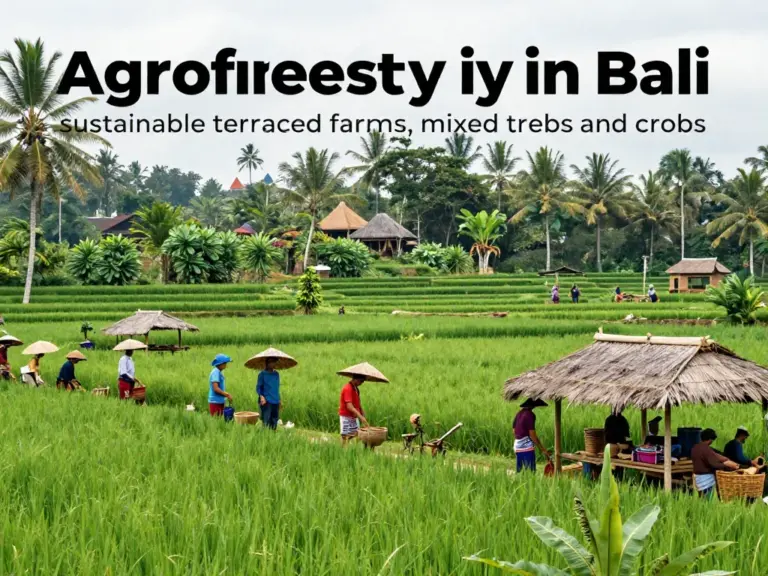
In the highlands of Munduk and Kintamani, agroforestry is not a new trend—it is a way of life. By integrating perennial trees with annual crops like coffee, cacao, and vanilla, Balinese farmers mimic the structure of a natural forest. This method prevents soil erosion on Bali’s steep slopes and maintains the water cycle, which is vital for the island’s famous ‘Subak’ irrigation system.
How Agroforestry Supports Bali’s Communities and Ecosystems through Biodiversity
Biodiversity conservation is a natural byproduct of these forest gardens. Unlike monoculture plantations that deplete the soil and drive away wildlife, Balinese agroforestry provides habitats for rare birds, pollinators, and beneficial insects. The canopy of fruit and timber trees offers shade for delicate crops, reducing the need for chemical fertilizers and pesticides. This creates a self-sustaining loop where the ecosystem protects the farm, and the farm enriches the ecosystem.
Economic Resilience and Fair Trade
Beyond environmental benefits, agroforestry supports Bali’s communities by diversifying income. If one crop fails due to weather or market shifts, farmers have others to fall back on. Furthermore, the rise of conscious tourism has connected these farmers to fair trade markets. Travelers visiting Bali now seek out organic coffee and artisanal chocolate, ensuring that a larger portion of the profit stays within the local village.
| Practice | Benefit to Community | Benefit to Ecosystem |
|---|---|---|
| Intercropping | Multiple income streams | Soil nutrient replenishment |
| Tree Canopies | Natural climate control | Carbon sequestration |
| Organic Waste | Reduced cost of fertilizer | Enhanced soil microbial life |
The Role of Tourism in Supporting Agroforestry
For the modern traveler, visiting an agroforestry farm in Bali offers a profound connection to the land. Agrotourism initiatives allow visitors to participate in harvesting, learn about the Tri Hita Karana philosophy (harmony between humans, nature, and the divine), and purchase products directly from the source. This direct-to-consumer model reinforces the fair trade principles that keep Balinese farming heritage alive.
คำถามที่พบบ่อย (FAQ)
What is the main benefit of agroforestry in Bali?
The main benefit is the dual support of economic stability for farmers through crop diversity and the protection of the environment by preventing soil erosion and promoting biodiversity.
How does agroforestry help with climate change?
By planting a variety of trees, agroforestry systems sequester more carbon than traditional monoculture farms and help regulate local temperatures and water cycles.
Can tourists visit these agroforestry farms?
Yes, many communities in areas like Munduk, Sidemen, and Ubud offer agrotourism experiences where you can learn about sustainable practices and support local fair trade.
What crops are typically grown in Balinese agroforestry?
Common crops include Arabica and Robusta coffee, cacao, cloves, vanilla, mangos, and various spices like turmeric and ginger.
Is agroforestry the same as organic farming?
While they often go hand-in-hand, agroforestry refers to the structural integration of trees and crops, while organic farming refers to the absence of synthetic chemicals. Most Balinese agroforestry practices are naturally organic.
References
- World Agroforestry (ICRAF) – Research and Impact
- Wonderful Indonesia – Sustainable Tourism Initiatives
- Food and Agriculture Organization of the United Nations – Agroforestry Systems
- Agroforestry Tours in Bali: Explore Cacao, Coffee, and Community Farms for Sustainable Travel Experiences
- Why choose agroforestry tours in Bali? Benefits of cacao, coffee & community-led farm visits for eco-conscious travelers
- What to expect on a Bali cacao and coffee agroforestry tour: typical itineraries, hands-on activities, and cultural immersion