Top locations and operators for canopy walks and treetop stays in Indonesia — detailed options, accessibility, and best seasons
- Top locations and operators for canopy walks and treetop stays in Indonesia — detailed options, accessibility, and best seasons
- The Allure of Indonesia’s Canopy Experiences
- Premier Locations for Canopy Walks and Treetop Stays in Indonesia
- Detailed Options for Treetop Stays (Accommodation Focus)
- Accessibility and Logistics for Canopy Walks and Treetop Stays in Indonesia
- Best Seasons to Visit for Optimal Canopy Views
- Expert Tips for an Enhanced Experience
- คำถามที่พบบ่อย (FAQ)
- 1. Are canopy walks in Indonesia safe for older children or seniors?
- 2. Do I need special permits for canopy walks in Borneo?
- 3. What is the difference between a canopy walk and a treetop stay?
- 4. How far in advance should I book a luxury treetop stay?
- 5. Are insects a major problem in treetop accommodations?
- References
Indonesia, an archipelago famed for its biodiversity and lush rainforests, offers unparalleled opportunities to experience nature from a unique vantage point: high above the forest floor. For the adventurous traveler seeking a blend of thrilling views and immersive accommodation, exploring the **canopy walks and treetop stays in Indonesia** is a must. This guide provides an expert overview of the premier locations, trusted operators, accessibility details, and the optimal times to visit, ensuring your jungle escape is seamless and spectacular.
The Allure of Indonesia’s Canopy Experiences
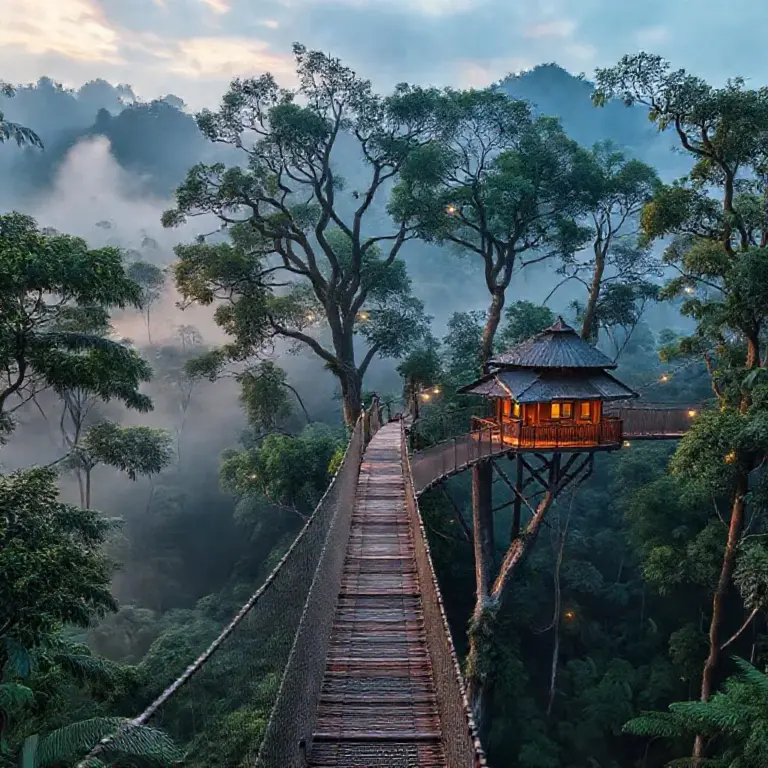
Canopy walks—or skywalks—offer pedestrians a chance to view the forest ecosystem from the mid-level stratum, revealing birdlife, epiphytes, and the sheer scale of ancient trees often missed from the ground. Treetop stays take this immersion further, providing overnight accommodation nestled within the branches. Understanding the logistics is key, as accessibility varies greatly between these remote, yet accessible, havens.
Why Choose Canopy Walks and Treetop Stays?
These activities align perfectly with sustainable travel principles. They offer low-impact tourism while providing significant economic benefits to local communities managing these natural attractions. Furthermore, they offer unparalleled photography opportunities and a profound sense of tranquility far removed from the bustling tourist centers.
Premier Locations for Canopy Walks and Treetop Stays in Indonesia
While many islands feature natural reserves, specific locations stand out for their well-maintained infrastructure and breathtaking scenery. Here are the top destinations for experiencing **canopy walks and treetop stays in Indonesia**.
1. Bali: Ubud’s Mystical Canopy Adventures
Ubud, Bali’s cultural heart, hosts several accessible canopy experiences, often integrated with adventure parks or spiritual retreats.
- Bali Treetop Adventure Park (Bedugul): While primarily known for zip lines and rope courses, this park features several high-altitude bridges offering fantastic views of the surrounding pine forests. Accessibility is high, requiring a drive from Denpasar.
- Tegalalang Rice Terraces Skywalks: Although not traditional forest canopy walks, temporary or semi-permanent structures offer dizzying views over the UNESCO-listed terraces. Best visited early morning.
2. Central Kalimantan (Borneo): The Authentic Rainforest Canopy
For the truly immersive, deep-jungle experience, Indonesian Borneo is unmatched. This is where you find true biodiversity and remote treetop stays.
3. West Java: Bogor’s Botanical Canopy
The proximity of Bogor to Jakarta makes its attractions highly accessible, blending scientific sites with tourist offerings.
- The Bogor Botanical Gardens (Kebun Raya Bogor): These historic gardens sometimes feature temporary or specific bridge installations allowing visitors to walk among the towering tropical flora. Check local listings before visiting.
4. Java: Unique Treetop Glamping and Lodges
Java offers several high-end ‘glamping’ options that qualify as exceptional treetop stays, often focusing on views of volcanoes or dense jungle valleys.
| Location Type | Best For | Accessibility |
|---|---|---|
| Malang/Bromo Region | Volcanic views, cooler climate | Moderate (Requires 4×4 access) |
| Bandung Highlands | Cloud immersion, quiet retreats | Good (Near major highways) |
Detailed Options for Treetop Stays (Accommodation Focus)
For those prioritizing sleeping among the leaves, specific resorts specialize in elevated lodging. These destinations require advance booking, especially during peak travel seasons.
The Luxury Treehouse Experience
Certain resorts near Ubud or Lombok offer architecturally stunning treehouses. These are less about raw adventure and more about high comfort with jungle views. Look for operators emphasizing private decks and outdoor bathing facilities.
Eco-Lodges and Research Stations
In areas like Kalimantan or Sumatra (near Orangutan rehabilitation centers), some research stations offer basic accommodation to visitors. While rustic, these provide the most authentic access to extensive, research-grade canopy platforms. Operators here prioritize conservation education. Watch this overview of Indonesian jungle exploration.
Accessibility and Logistics for Canopy Walks and Treetop Stays in Indonesia
Accessibility is a critical factor when planning your Indonesian adventure. While Bali-based canopy parks are generally easy to reach via hired drivers, remote jungle locations demand more preparation.
Transportation Hierarchy
- Major Hubs (Bali, Java): Easy access via ride-sharing apps or pre-booked taxis to the base of the attraction.
- Mid-Range Locations (West Bali National Park fringes): Requires private car hire for the day or multi-day tour packages.
- Remote Rainforests (Borneo, Sulawesi): Often requires domestic flights, followed by long overland transfers (sometimes involving rough roads or boat travel) arranged exclusively by the tour operator.
Always confirm the final leg of the journey with your chosen operator, especially for treetop stays, as many require a short hike from the drop-off point.
Best Seasons to Visit for Optimal Canopy Views
Indonesia’s climate is generally tropical, but there are distinct wet and dry seasons that significantly impact the canopy experience.
Dry Season (April to October)
This is the ideal time for all canopy activities. Visibility is generally better, reducing the risk of closures due to high winds or heavy rain. The ground trails leading to remote stays are drier and easier to navigate. Peak tourist season (July/August) means higher prices and more crowds, especially in Bali.
Wet Season (November to March)
Rain is frequent, often occurring in intense afternoon downpours. While this makes the jungle lush and green, it can lead to temporary closures of canopy structures for safety. The benefit is fewer tourists and lower accommodation costs. If you choose this season, book flexible tours and pack quality waterproof gear.
Expert Tips for an Enhanced Experience
To maximize your enjoyment of the **canopy walks and treetop stays in Indonesia**, keep these professional insights in mind:
- Early Bird Gets the View: Arrive at canopy walks right when they open (usually 8:00 AM) to experience the mist clearing and the best wildlife activity.
- Footwear is Crucial: Even easy walks require sturdy, non-slip shoes due to humidity and potential slippery wooden platforms.
- Altitude Check: If staying in highland areas (like near Mt. Bromo), be prepared for cooler nights, even if the days are hot.
คำถามที่พบบ่อย (FAQ)
Here are answers to common queries regarding elevated Indonesian adventures.
1. Are canopy walks in Indonesia safe for older children or seniors?
Safety largely depends on the specific park. Adventure parks often have height/weight restrictions. For dedicated canopy walkways (like those in research areas), mobility is key as steps can be steep. Always inquire about the specific attraction’s safety ratings and physical requirements beforehand.
2. Do I need special permits for canopy walks in Borneo?
If you are accessing research platforms or areas within National Parks in Borneo, yes, permits (often arranged by your tour operator via the local forestry service) are mandatory. Independent access to these specialized platforms is generally prohibited.
3. What is the difference between a canopy walk and a treetop stay?
A canopy walk is a daytime activity involving walking across suspended bridges or platforms for viewing. A treetop stay is overnight accommodation built high in the trees, designed for sleeping and extended immersion in the environment.
4. How far in advance should I book a luxury treetop stay?
For popular, high-end treetop stays in Bali or Java, booking 3 to 6 months in advance is highly recommended, especially if traveling during the peak dry season (June to August).
5. Are insects a major problem in treetop accommodations?
Insects are present, as you are in the jungle. Repellent is essential. However, reputable treetop stays use netting, screens, and often elevated designs to minimize insect intrusion into the sleeping areas.
References
Official Indonesia Tourism Portal
Bogor Botanical Gardens Official Site (for structure updates)
- The Gibbon Experience Equivalent: Treetop Conservation Stays and Canopy Walks in Indonesia
- Why travelers choose treetop conservation stays in Indonesia — eco-tourism goals, expected experiences, and how these compare to The Gibbon Experience
- What to expect during treetop conservation stays — accommodation types, activities, wildlife encounters, and conservation practices