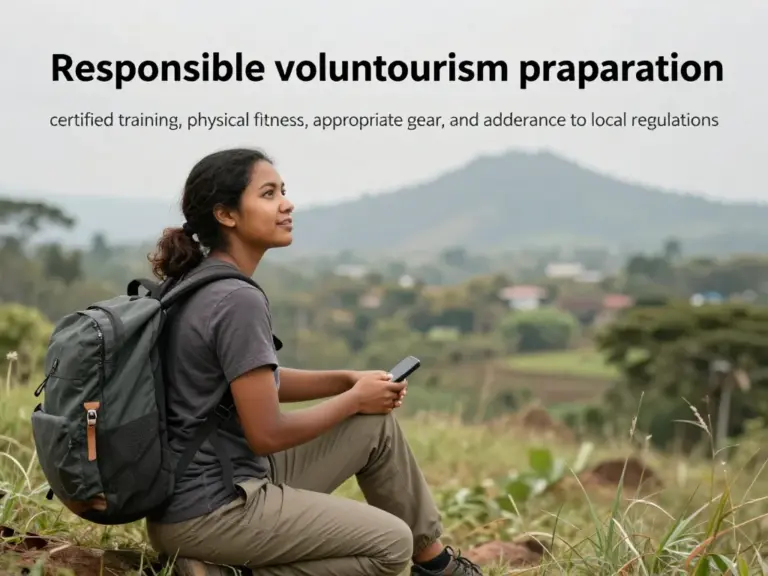
How to prepare for a responsible voluntourism experience: certifications, fitness, gear, and local regulations
Voluntourism—the combination of volunteering and tourism—has become a popular way for travelers to give back to the communities they visit. However, engaging in a responsible voluntourism experience requires more than just good intentions. Especially in a diverse archipelago like Indonesia, proper preparation ensures that your contribution is ethical, sustainable, and impactful. This guide explores the essential steps to prepare your body, your bags, and your mindset for a meaningful journey.
Understanding Local Regulations and Ethical Certifications
Before booking your flight to Bali or Kalimantan, it is crucial to understand the legalities. In Indonesia, volunteering often requires specific visa types (such as the B211A Social Visit Visa). Engaging in work—even unpaid—on a standard tourist visa can lead to legal complications. Furthermore, look for organizations with certifications from reputable bodies like Ecotourism Australia, Fair Trade Tourism, or local Indonesian NGOs recognized by the Ministry of Tourism and Creative Economy (Kemenparekraf).
Physical Fitness and Mental Readiness
The physical demands of a responsible voluntourism experience can vary greatly. If you are participating in reforestation in Sumatra or coral reef restoration in Raja Ampat, you will need a baseline level of cardiovascular fitness and strength. Start a conditioning program at least two months before departure. Mental preparation is equally important; be ready to adapt to different cultural norms, basic living conditions, and the humid Indonesian climate.
Essential Gear for the Responsible Volunteer
Packing for a voluntourism trip is different from a standard holiday. You need gear that is durable and culturally appropriate. Use the table below as a checklist for your essentials:
| Category | Item | Reason |
|---|---|---|
| Clothing | Modest, moisture-wicking clothes | Respect local customs and manage heat |
| Footwear | Sturdy hiking boots or water shoes | Safety during physical labor |
| Health | Biodegradable toiletries | Minimize environmental impact in rural areas |
| Tools | Work gloves & reusable water bottle | Personal protection and waste reduction |
Indonesia has strict regulations regarding environmental protection and social engagement. If your volunteering involves wildlife, ensure the center is licensed by the BKSDA (Natural Resources Conservation Agency). Respecting local Adat (traditional law) is also a key component of a responsible voluntourism experience. Always seek permission before entering sacred lands or photographing local ceremonies.
คำถามที่พบบ่อย (FAQ)
Q1: Do I need a special visa for volunteering in Indonesia?
A1: Yes, typically a Social Visit Visa (B211A) is required for volunteer activities. Using a standard Visa on Arrival (VoA) for volunteering can be risky.
Q2: What certifications should I look for in a volunteer organization?
A2: Look for NGOs registered with the Indonesian government or international certifications like the Global Sustainable Tourism Council (GSTC) standards.
Q3: Is it expensive to have a responsible voluntourism experience?
A3: Costs vary. Ethical organizations often charge a fee to cover your housing, food, and a contribution to the project’s long-term sustainability.
References
- Coral Restoration Voluntourism in Amed and Gili Air: How to Help Right — Ethical, Effective Ways to Restore Reefs
- What is coral restoration voluntourism and why choose Amed and Gili Air for your reef conservation trip?
- Hands-on coral restoration methods used in Amed and Gili Air: coral gardening, fragment transplantation, and monitoring protocols