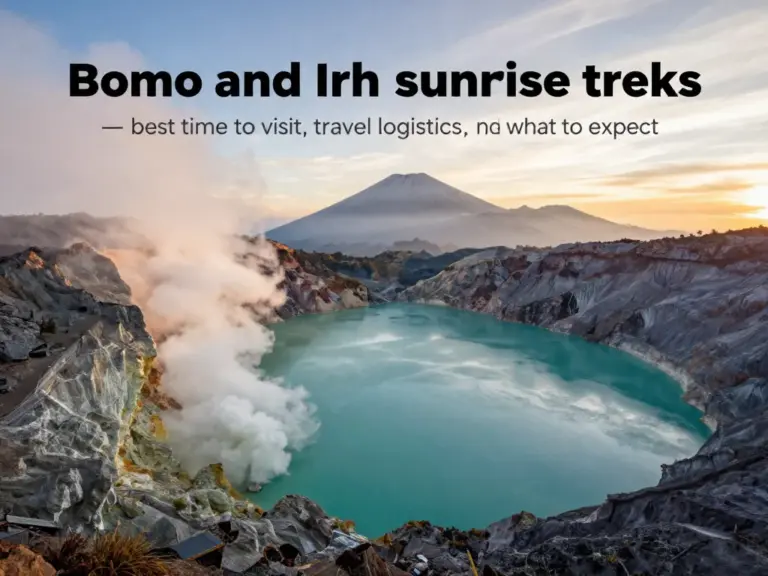
Why Visit Bromo and Ijen Together — Best Time, Travel Logistics, and What to Expect for Sunrise Treks
East Java holds some of the most surreal landscapes on planet Earth. For many travelers, the decision isn’t whether to visit, but how to do it efficiently. Choosing to visit Bromo and Ijen together is the gold standard for adventure seekers in Indonesia. This dual-volcano circuit offers a stark contrast between the vast, dusty caldera of Mount Bromo and the acidic, electric-blue flames of the Ijen Crater. In this guide, we break down the logistics and expectations for this once-in-a-lifetime journey.
Why You Should Visit Bromo and Ijen Together
Combining these two destinations is both time-efficient and geographically logical. Mount Bromo and Ijen are located in the same province of East Java, separated by about a 6-7 hour drive. By visiting them back-to-back, you maximize your travel days and witness two completely different volcanic phenomena. While Bromo offers a cinematic, Mars-like desert sunrise, Ijen provides a gritty, ethereal experience featuring the world’s largest acidic crater lake and the famous blue fire.
Best Time to Visit East Java
Timing is everything when planning to visit Bromo and Ijen together. The dry season, which runs from April to October, is the ideal window. During these months, the skies are clearer, significantly increasing your chances of a spectacular sunrise. Hiking trails are also safer and less slippery compared to the monsoon season (November to March). If you want to avoid the massive local crowds, try to visit on weekdays rather than weekends or public holidays.
Travel Logistics: How to Get There
The most common route for this expedition is the 3-day, 2-night (3D2N) tour. Here is a typical logistical breakdown:
- Day 1: Arrive in Surabaya or Malang; transfer to Cemoro Lawang (the gateway to Bromo).
- Day 2: Bromo Sunrise Trek; drive 6-7 hours to Bondowoso or Banyuwangi (near Ijen).
- Day 3: Midnight Ijen Trek; transfer to Ketapang Ferry Port for Bali or return to Surabaya.
Transportation usually involves private 4WD Jeeps for the Bromo caldera and private vans for the long hauls between cities. Hiring a driver is highly recommended due to the challenging terrain and early morning departures.
What to Expect for Sunrise Treks
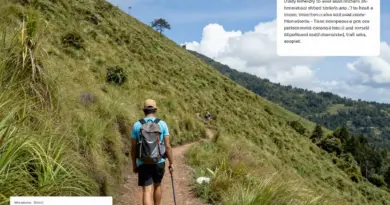
Both treks require a moderate level of fitness and a tolerance for cold temperatures. At Mount Bromo, temperatures can drop to 5°C (41°F) before dawn. The trek to the King Kong Hill viewpoint is relatively straightforward, but the walk across the ‘Sea of Sand’ to the Bromo crater rim involves climbing 250 concrete steps.
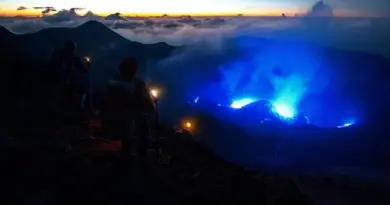
At Ijen, the trek is more physically demanding. You will start hiking around 2:00 AM to see the blue fire. The path is a steep incline for about 3 kilometers. To see the blue flames, you must descend into the crater, which requires a gas mask due to the thick sulfur fumes. It is a raw, intense experience that showcases the hard work of local sulfur miners.
Essential Packing List
| Category | Items to Pack |
|---|---|
| Clothing | Layers, Down Jacket, Gloves, Beanie |
| Footwear | Hiking boots or sturdy sneakers with grip |
| Gear | Headlamp, Gas Mask (for Ijen), Power bank |
| Health | Sunscreen, Lip balm, Snacks, Water |
คำถามที่พบบ่อย (FAQ)
Is it safe to visit the volcanoes?
Yes, both Bromo and Ijen are monitored closely by local authorities. However, they are active volcanoes, so always check the current status and follow local guide instructions.
Do I need a guide for Bromo and Ijen?
While Bromo can be done independently if you are experienced, a guide is highly recommended for Ijen to navigate the crater in the dark and ensure safety regarding sulfur gas.
How cold does it get?
It can get as low as 0°C to 5°C in the early morning. Once the sun comes up, it warms up quickly, so layering is essential.
Can I visit from Bali?
Yes, many tours run in reverse, starting from Bali, crossing the ferry to Java, and visiting Ijen first before heading to Bromo.
References
Indonesia Travel – Bromo Tengger Semeru
Lonely Planet – Gunung Ijen Guide
- Sunrise Treks at Mount Bromo and Ijen: The Ultimate Two-Volcano Itinerary and Planning Guide
- How to Plan Your Two-Volcano Trip — Routes, Multi-Day Itineraries, Transportation Options, and Permits
- What to Pack and Prepare — Clothing, Safety Gear, Guides, Altitude & Sulfur Gas Precautions for Bromo and Ijen