Why Low-Impact Travel Matters for the Gili Islands — Understanding Reef Fragility, Local Communities, and Long-Term Tourism Impacts
- Why Low-Impact Travel Matters for the Gili Islands — Understanding Reef Fragility, Local Communities, and Long-Term Tourism Impacts
- The Fragility of the Gili Reef Ecosystem
- Supporting Local Communities through Conscious Choices
- Long-Term Tourism Impacts and Sustainability
- How to Visit Responsibly
- คำถามที่พบบ่อย (FAQ)
- What is low-impact travel?
- Why is the coral reef in the Gili Islands so fragile?
- How can I support local communities in the Gili Islands?
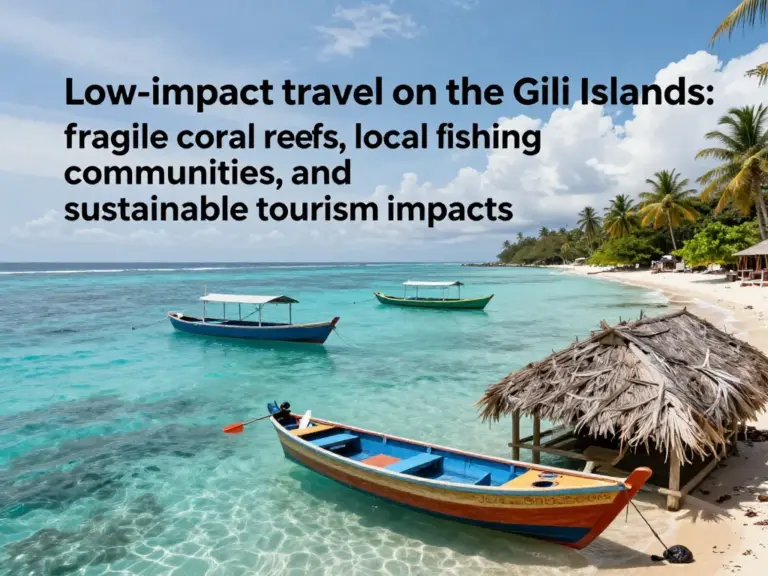
The Gili Islands—comprising Gili Trawangan, Gili Meno, and Gili Air—have long been the crown jewels of Indonesia tourism. Known for their turquoise waters, absence of motorized vehicles, and vibrant marine life, these islands represent a tropical paradise. However, as global travel increases, the concept of low-impact travel has transitioned from a niche preference to an absolute necessity. To preserve the Gili Islands for future generations, understanding the delicate balance between visitor enjoyment and environmental preservation is paramount.
The Fragility of the Gili Reef Ecosystem
The primary draw for tourists to the Gilis is the underwater world. Unfortunately, coral reefs are among the most sensitive ecosystems on the planet. Factors such as rising sea temperatures, anchor damage, and physical contact from divers can lead to coral bleaching and death. When travelers practice low-impact travel, they actively reduce the physical stress placed on these reefs. This includes using reef-safe sunscreen, avoiding the touching of marine life, and ensuring that boat operators follow strict mooring protocols rather than dropping anchors on live coral.
Supporting Local Communities through Conscious Choices
Tourism is the lifeblood of the Gili Islands, but it must be managed in a way that benefits the residents without eroding their culture or resources. Low-impact travel encourages visitors to engage with the local economy directly. By staying in locally-owned homestays, eating at ‘warungs’ (local eateries), and purchasing handmade crafts, travelers ensure that the financial benefits of tourism stay within the community. This economic empowerment allows locals to invest in better waste management and educational programs that further protect their island home.
Waste Management: A Growing Challenge
As small islands, the Gilis have limited space for waste processing. High-impact tourism leads to an influx of single-use plastics and excessive water consumption. Travelers can mitigate this by carrying reusable water bottles—utilizing the many refill stations across the islands—and being mindful of their electricity and fresh water usage, which is often sourced from limited underground lenses or desalination plants.
Long-Term Tourism Impacts and Sustainability
The long-term viability of the Gili Islands as a premier destination depends entirely on the shift toward sustainability. If the reefs die and the islands become overwhelmed by pollution, the very beauty that attracts visitors will vanish. Organizations like the Gili Eco Trust have been instrumental in implementing Biorock technology to regrow reefs, but these efforts require the cooperation of every visitor. Sustainable tourism isn’t just about ‘doing less harm’; it’s about contributing to the regeneration of the environment.
| Action | Impact on Gili Islands |
|---|---|
| Using Reef-Safe Sunscreen | Prevents chemical bleaching of corals |
| Supporting Local Businesses | Boosts the local economy and reduces carbon footprint |
| Refilling Water Bottles | Reduces the massive plastic waste problem on small islands |
| Respecting Marine Life | Ensures the survival of sea turtles and diverse fish species |
How to Visit Responsibly
Planning a low-impact trip to the Gili Islands is simpler than it seems. Start by choosing eco-certified dive shops and accommodations. Participate in beach clean-ups often organized by local groups. Most importantly, educate yourself on the local customs and environmental challenges before you arrive. Every small action, from saying no to a plastic straw to choosing a bicycle over a horse-drawn carriage for short distances, contributes to the collective preservation of this Indonesian paradise.
คำถามที่พบบ่อย (FAQ)
References
- Gili Eco Trust – Protecting the Gili Islands
- Wonderful Indonesia – Gili Islands Travel Guide
- WWF – Coral Reef Conservation
- Low-Impact Island Hopping Reef-Safe Ways to Explore the Gili Islands: Sustainable Tips for Responsible Travelers
- How to Plan a Reef-Safe Gili Islands Itinerary — Best Times to Visit, Eco-Friendly Transport Options, and Choosing Responsible Operators
- Practical Reef-Safe Activities and Practices — Snorkeling, Diving, Beach Etiquette, and Gear Choices That Protect Coral and Marine Life