Aceh Sharia Culture for Travelers: Dress Codes, Customs, and Respectful Behavior
Traveling to Aceh, the northernmost province of Sumatra, offers a unique opportunity to witness a region deeply rooted in Islamic tradition. As the only province in Indonesia to officially implement Sharia law, understanding Aceh Sharia culture for travelers is essential for ensuring a respectful and seamless visit. By observing local norms, you not only avoid cultural faux pas but also enrich your travel experience through meaningful engagement with the local community.
Understanding Sharia Law in Aceh
Sharia law, or Islamic law, is the moral and legal framework that guides public life in Aceh. For the average tourist, this translates into specific standards of dress and public conduct. It is important to remember that these rules apply to everyone within the province, regardless of religious background. Approaching this with an open mind allows you to appreciate the cultural heritage of the ‘Veranda of Mecca’ while maintaining a respectful profile.
Dress Codes: Modesty is Key
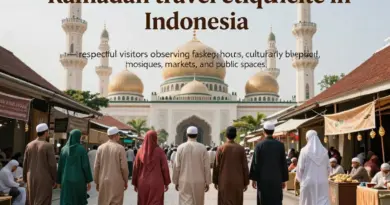
When considering Aceh Sharia culture for travelers, the most visible aspect is the dress code. While non-Muslims are not required to wear a hijab or headscarf (unless visiting a mosque), dressing modestly is highly encouraged and often expected in public spaces.
- For Women: Avoid sleeveless tops, short skirts, and shorts. Opt for loose-fitting trousers, long skirts, and blouses that cover the shoulders and chest. A lightweight scarf is handy to have in your bag, especially for visiting religious sites.
- For Men: While men have slightly more flexibility, it is generally recommended to avoid wearing singlets or very short shorts in public areas. T-shirts and long trousers are standard and respectful attire.
Respectful Behavior and Social Customs
Beyond clothing, your actions speak volumes. The Acehnese people are incredibly hospitable, but they value social decorum. Public displays of affection, such as kissing or hugging, are culturally inappropriate and can attract unwanted attention or even intervention by local authorities.
| Situation | Recommended Behavior |
|---|---|
| Visiting Mosques | Remove shoes, dress conservatively, and avoid entering during prayer times. |
| Dining | Use your right hand for eating and passing items. |
| Photography | Always ask for permission before taking photos of locals, especially women. |
Aceh is known for its stunning coastlines and historical sites. Whether you are visiting the Tsunami Museum or the pristine beaches of Sabang, remember that even in tourist-centric areas, the local cultural sensitivity remains. Being a responsible tourist means carrying your values with you but respecting the local context of your destination.