Top Batik Workshops and Learning Centers in Java for Beginners and Enthusiasts
Batik is more than just a textile technique; it is a profound expression of Indonesian heritage that has been recognized by UNESCO as an Intangible Cultural Heritage of Humanity. For travelers and culture seekers, exploring the Top Batik Workshops and Learning Centers in Java offers a unique opportunity to connect with the island’s artistic soul. Whether you are a complete beginner looking to try your hand at the canting (wax pen) or an enthusiast wanting to deepen your knowledge of complex motifs, Java provides some of the most authentic learning experiences in the world.
Why Learn Batik in Java?
Java is the historical epicenter of Batik. From the royal courts of Yogyakarta and Surakarta (Solo) to the coastal influences of Pekalongan, each region boasts distinct styles, colors, and philosophies. Engaging in a workshop here is not just about making a souvenir; it is about learning the patience, precision, and spiritual significance that goes into every dot and line. You are not just a spectator; you become a part of a living tradition.
Top Recommended Batik Workshops
If you are planning your itinerary, consider these highly-rated centers known for their hospitality and educational depth:
| Workshop Name | Location | Focus |
|---|---|---|
| Batik Winotosastro | Yogyakarta | Traditional Hand-Drawn (Tulis) |
| Kampung Batik Laweyan | Surakarta | Community-based Learning |
| Pekalongan Batik Museum | Pekalongan | Historical Techniques |
Batik Winotosastro (Yogyakarta)
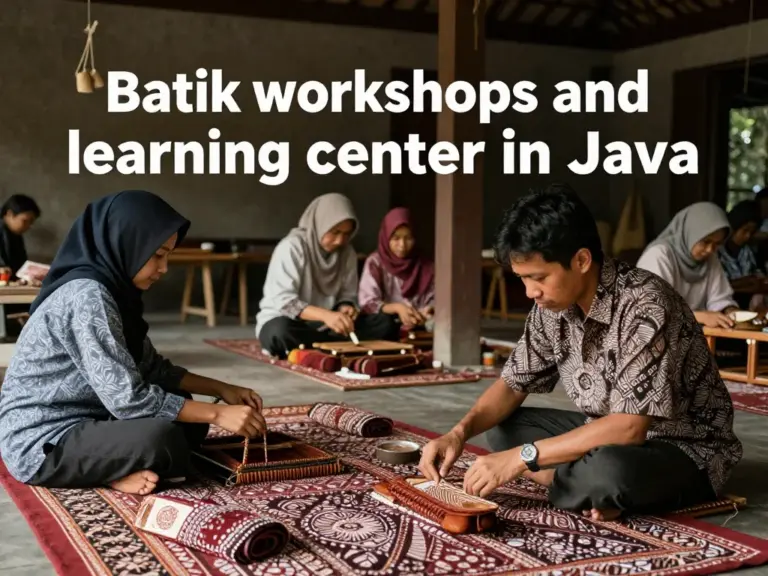
Located in the heart of Yogyakarta, this workshop is legendary. It has been operating for generations and offers a very intimate setting for beginners to learn the intricate process of batik tulis (hand-drawn batik). You will be guided by artisans who have spent their entire lives perfecting the craft.
Kampung Batik Laweyan (Surakarta)
Laweyan is not just a workshop; it is an entire district dedicated to the art of Batik. Walking through its narrow streets feels like stepping back in time. Many small family-run businesses here open their doors to visitors, allowing you to choose a workshop that matches your specific interest, whether it’s dyeing, waxing, or designing.
Essential Tips for Your Batik Experience
To make the most of your visit to these centers, keep these points in mind:
- Book in Advance: Popular workshops often require reservations, especially for group sessions.
- Respect the Process: Batik is a slow, meditative art. Do not rush your work; enjoy the process of applying the hot wax.
- Ask Questions: The artisans are usually proud of their heritage and are happy to explain the meanings behind specific patterns like Parang or Kawung.
FAQ (Frequently Asked Questions)
What is the difference between Batik Tulis and Batik Cap?
Batik Tulis is hand-drawn using a canting tool, making each piece unique and time-consuming. Batik Cap uses a copper stamp to apply the wax pattern, which is faster and produces a more uniform, repetitive design.
Do I need to bring my own materials to a workshop?
No, almost all reputable workshops in Java provide all the necessary tools, including the cloth (mori), wax (malam), canting, and dyes. You simply need to bring your creativity.
Is Batik suitable for children?
Yes, many workshops offer simplified versions of the process for children. However, because the wax is applied hot, adult supervision is always required.
References
UNESCO Intangible Cultural Heritage: Indonesian Batik
Wonderful Indonesia: Java Travel Guide