How to Travel Responsibly in Indonesia: Sustainable Tips, Etiquette, and Local Impact
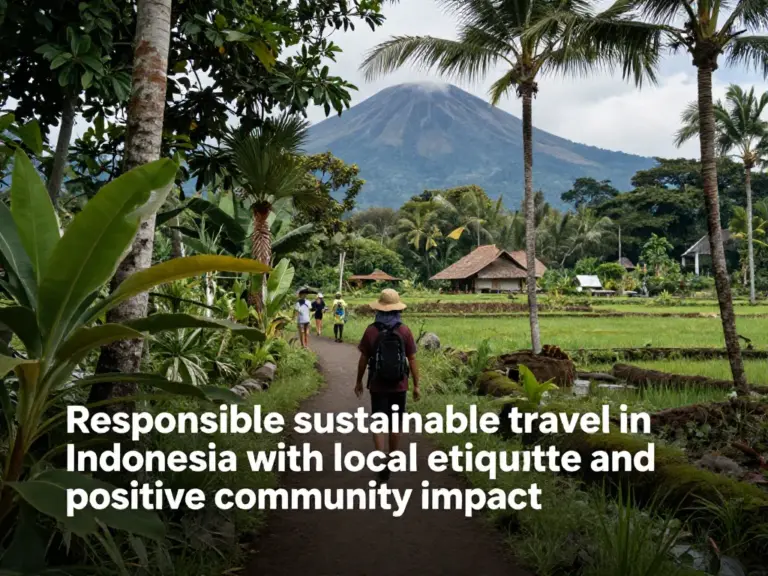
Indonesia is a breathtaking archipelago that offers everything from volcanic peaks to vibrant coral reefs. However, with its immense popularity, the need to travel responsibly in Indonesia has never been more critical. As visitors, we have a unique opportunity to preserve the cultural heritage and delicate ecosystems that make this country so special. By adopting mindful practices, you ensure that your presence contributes positively to local communities and environments.
Understanding Responsible Tourism in the Archipelago
To travel responsibly in Indonesia, you must first understand the fragile balance between tourism and local life. Indonesia is home to over 17,000 islands, each with unique customs and environmental challenges. Sustainable travel here means minimizing your footprint while maximizing your positive impact. This involves respecting local biodiversity, supporting small-scale businesses, and engaging with communities in a way that honors their traditions rather than exploiting them.
Essential Sustainable Tips for Your Trip
- Reduce Single-Use Plastics: Bring a reusable water bottle and a filtered straw. Many hotels offer refill stations.
- Respect Marine Life: When snorkeling or diving, never touch coral or feed marine animals. Use reef-safe sunscreen.
- Support Local Economies: Choose locally-owned homestays or boutique hotels over large international chains whenever possible.
Cultural Etiquette: Respecting Local Traditions
Cultural sensitivity is the cornerstone of responsible travel. Indonesia is a country of immense diversity, but certain social norms apply nationwide. Always dress modestly when visiting temples or rural villages—covering your shoulders and knees is a sign of respect. Additionally, always use your right hand when giving or receiving items, as the left hand is traditionally considered unclean. Learning basic Indonesian phrases like “Terima kasih” (Thank you) can go a long way in building rapport with locals.
Making a Positive Local Impact
Your travel dollars are a powerful tool. By choosing to eat at local warungs (small, family-run eateries) rather than fast-food chains, you ensure your money stays within the community. Consider booking tours with local guides who have deep knowledge of the land and are invested in its preservation. This approach not only provides you with a more authentic experience but also empowers local livelihoods.