What are Baci-like blessings in Bali and their cultural significance for village life?
- What are Baci-like blessings in Bali and their cultural significance for village life?
- The Spiritual Foundation: Understanding Purification in Balinese Hinduism
- Cultural Significance for Village Life (Desa)
- Navigating Ritual Etiquette as a Visitor
- Conclusion: The Unseen Harmony
- คำถามที่พบบ่อย (FAQ)
- What is the difference between a ‘Baci’ blessing and a major temple ceremony?
- Do I need to participate in a Baci blessing if I visit a Balinese home?
- Why is holy water (Tirta) so central to these blessings?
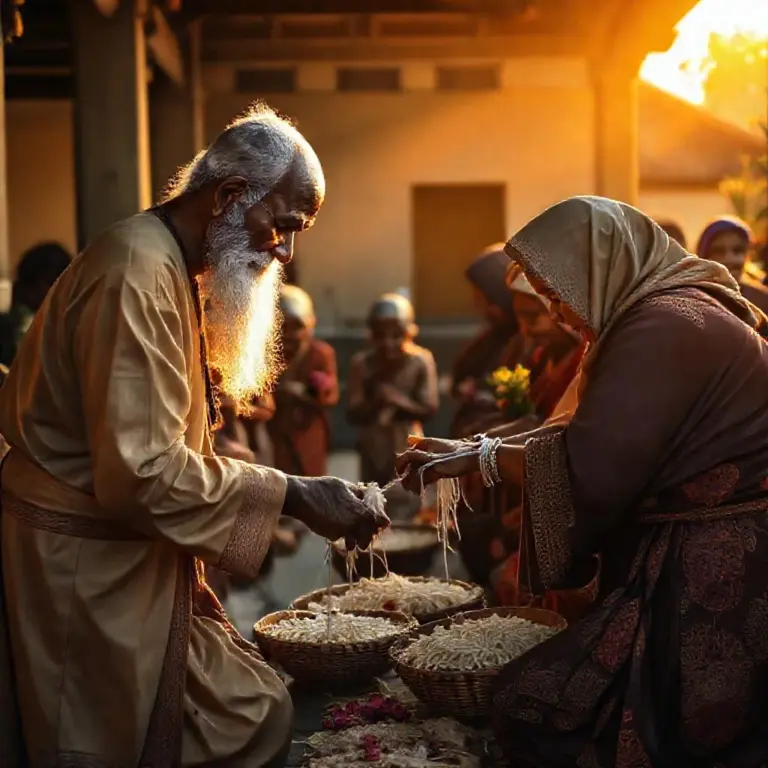
Welcome to the heart of Balinese spirituality, where every act, sound, and offering holds deep meaning. For the Indonesia Tourism enthusiast seeking authenticity beyond the beaches, understanding the nuances of local ritual life is crucial. Central to this is the concept of Baci-like blessings in Bali—sacred acts of purification and consecration that underpin the social and spiritual fabric of every village (desa). These blessings, often subtle yet potent, ensure balance between the human, divine, and demonic realms, making them indispensable to daily life and communal well-being.
While the term ‘Baci’ itself can sometimes be used loosely or regionally, it generally refers to a category of sanctification or purification ritual, often involving holy water (tirta) and specific offerings meant to invoke positive spiritual energy and ward off negative influences. To truly grasp their importance, we must look at the role of these acts within the framework of Tri Hita Karana—the Balinese philosophy emphasizing harmony between humans, nature, and the divine.
The Spiritual Foundation: Understanding Purification in Balinese Hinduism
Balinese Hinduism (Agama Hindu Dharma) is deeply concerned with maintaining cosmic balance. Impurities, whether physical, moral, or spiritual, can disrupt this balance, leading to misfortune, sickness, or disharmony within the community. The Baci-like blessings in Bali serve as the primary mechanism for restoring this purity.
Tirta: The Essence of Blessing
The most common element in any blessing ritual is Tirta, or holy water. This water is consecrated by a priest (Pemangku or Pedanda) through specific chants and offerings, transforming ordinary water into a medium for spiritual cleansing. Receiving Tirta is akin to receiving divine grace.
- Tirta Watesan: Used to delineate sacred boundaries.
- Tirta Peyekeb: Used for personal purification before entering a temple.
- Tirta Pengelem: Used in elaborate purification ceremonies following significant events or calamities.
Offerings as Spiritual Currency
Blessings are rarely given without an accompanying offering, known as Banten. These offerings are not mere gifts; they are communications to the spirits and deities. The complexity of the Banten often dictates the level of the blessing being sought.
Video Spotlight: Experiencing Balinese Rituals
To gain a visual understanding of the atmosphere surrounding these sacred acts, watch this short documentary clip focusing on purification rites:
This visual context helps explain why witnessing these ceremonies is such a powerful experience for visitors interested in Baci-like blessings in Bali.
Cultural Significance for Village Life (Desa)
The true significance of these blessings is felt at the village level, where community survival depends on collective spiritual health. These rituals are not just religious observances; they are essential social infrastructure.
1. Rites of Passage (Manusa Yadnya)
From birth to cremation, Balinese life is punctuated by rituals requiring purification blessings. These ensure the individual transitions smoothly between life stages without carrying spiritual baggage. For example, the Mekala-kala ceremony for a young child requires a Baci-like blessing to spiritually ‘separate’ the child from the influence of the lower world before they are formally introduced to the community.
2. Temple Purification (Dewa Yadnya)
Temples (Pura) are the spiritual centers of the village. They must be regularly purified to maintain their sacredness, especially before major festivals like Galungan or Kuningan. These large-scale blessings involve the entire community, reinforcing social cohesion through shared spiritual responsibility.
3. Agricultural Harmony (Bhuta Yadnya & Nyegara Gunung)
The rice paddies, the lifeblood of Bali, are also subject to blessings. Subak systems, the traditional cooperative irrigation networks, often have their own shrines and rituals. Blessings ensure that nature is appeased, guaranteeing good harvests and preventing pests or drought—a direct application of Tri Hita Karana focusing on harmony with nature.
| Ritual Type | Purpose | Impact on Village Life |
|---|---|---|
| Pembersihan | Cleansing of homes or objects | Removes negative energy and bad luck. |
| Panglukatan | Deep spiritual cleansing of a person | Restores inner balance and purity for major life steps. |
| Penyucian Tanah | Sanctifying new land or buildings | Ensures the foundation is spiritually sound. |
As a tourist appreciating the depth of Baci-like blessings in Bali, respectful observation is key. You are witnessing deeply personal and sacred events.
If you are invited to observe a ceremony involving blessings, follow these guidelines to show respect:
- Always ask permission before entering a temple courtyard where a ritual is in progress.
- Dress modestly; shoulders and knees must be covered (sarongs are often provided or required).
- Never interrupt the flow of the ceremony, especially when holy water is being distributed.
- Do not point directly at priests or offerings.
The Role of the Pemangku (Village Priest)
The Pemangku is the custodian of local blessings. Unlike the higher-ranking Pedanda, the Pemangku often maintains the daily spiritual health of the local Pura Desa (village temple). Their ability to correctly perform the rites associated with Baci-like blessings in Bali ensures the village remains protected and prosperous.
Conclusion: The Unseen Harmony
The practice of giving and receiving Baci-like blessings is far more than a quaint tradition for visitors to photograph. It is the very mechanism by which Balinese communities actively maintain their desired state of harmony, ensuring that the physical world reflects the spiritual ideal. For anyone traveling to the Island of the Gods, recognizing the frequency and importance of these purification acts offers a profound gateway into understanding the enduring soul of Balinese village life.
คำถามที่พบบ่อย (FAQ)
References
For further reading on Balinese ritual studies, consult academic works on the concept of Tri Hita Karana and Balinese religious anthropology.
- The Balinese Baci-like Blessings and Local Rituals: Understanding Village Ceremonies
- How do Balinese village ceremonies (odalan, tooth-filing, and purification rites) work step-by-step and who participates?
- Which symbols, offerings, music, and attire are used in Balinese rituals and what do they represent?