Why Zero-Trace Matters in Baliem Valley: Environmental Impact, Cultural Sensitivity, and Legal Context
The Baliem Valley, nestled high in the Jayawijaya Mountains of Papua, Indonesia, is a place of breathtaking beauty and profound cultural heritage. As one of the last frontiers for adventurous travelers, it offers a glimpse into a world where ancient traditions meet stunning alpine landscapes. However, the surge in interest in Why Zero-Trace Matters in Baliem Valley is not just a trend; it is a necessity for the survival of this unique ecosystem and its people. For the ‘Indonesia Tourism’ sector, promoting responsible travel in this region is the only way to ensure its longevity.
The Fragile Ecosystem of the Highlands
The environmental impact of trekking in Baliem Valley can be devastating if not managed with a ‘Zero-Trace’ mindset. Unlike coastal regions, the high-altitude environment of the valley has a slower rate of decomposition. Organic waste that might disappear in weeks in a tropical jungle can remain for months or years in the cooler air of the highlands. Furthermore, the valley lacks modern waste management infrastructure. Every plastic bottle or wrapper left behind by a tourist is likely to stay there forever, polluting the pristine streams that the local Dani, Lani, and Yali people rely on for drinking and agriculture .
Cultural Sensitivity: More Than Just Nature
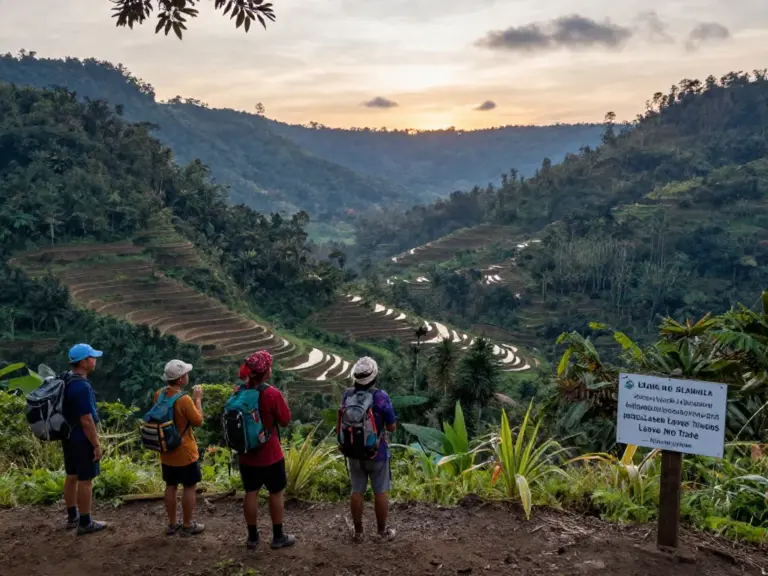
In Baliem Valley, the land is not just a resource; it is a sacred entity tied to ancestral spirits and communal identity. Cultural sensitivity is a core pillar of why Zero-Trace matters. For the indigenous communities, littering is not just an eyesore; it is a sign of profound disrespect toward the land and its traditional guardians. When visitors stray from established paths or leave waste near sacred sites, they disrupt the spiritual harmony of the community. Understanding the ‘Adat’ (customary law) is essential for any traveler. Respecting local customs regarding where to walk, what to photograph, and how to handle waste is the highest form of appreciation one can show to the Papuan people.
The Legal Context of Conservation in Papua
Indonesia has tightened its environmental regulations to protect its biodiversity hotspots. In Papua, the legal context involves both national laws and local provincial regulations aimed at preserving the Lorentz National Park and surrounding areas like Baliem. Violations of environmental standards can lead to fines or restrictions on future travel permits (Surat Keterangan Jalan). By adhering to Zero-Trace principles, travelers not only protect the environment but also ensure they remain within the legal framework of Indonesian tourism authorities .
| Action | Impact | Zero-Trace Alternative |
|---|---|---|
| Leaving Plastic | Soil & Water Pollution | Carry out all non-biodegradable waste |
| Straying from Trails | Soil Erosion & Crop Damage | Stick to designated trekking paths |
| Washing in Streams | Chemical Contamination | Use biodegradable soap 200ft from water |
Practical Steps for a Zero-Trace Journey
To truly honor the valley, travelers should adopt the following practices:
- Pack it in, Pack it out: Everything you bring must return with you to Wamena for proper disposal.
- Respect Wildlife: Observe from a distance; do not feed animals or disturb nesting sites.
- Minimize Fire Impact: Use lightweight stoves instead of building campfires which scar the ground.
คำถามที่พบบ่อย (FAQ)
Q1: What exactly does ‘Zero-Trace’ mean in the context of Baliem Valley?
A1: It means leaving no physical evidence of your visit, including trash, food scraps, or environmental damage, while also respecting the local indigenous culture and traditions.
Q2: Is it illegal to litter in Baliem Valley?
A2: Yes, under Indonesian environmental law and local customary ‘Adat’ laws, littering and damaging the environment can result in legal penalties and social friction with local tribes.
Q3: Why is cultural sensitivity part of Zero-Trace?
A3: Because the land in Baliem is deeply connected to the identity and spirituality of the Dani people. Leaving a ‘trace’ includes disrupting their social harmony or disrespecting their ancestral lands.
Q4: How can I manage human waste responsibly while trekking?
A4: Use ‘cat holes’ dug at least 6-8 inches deep and 200 feet away from water sources, or follow the specific instructions of your local guide to minimize impact.
References
- Official Indonesia Tourism: Baliem Valley Guide
- Leave No Trace Center for Outdoor Ethics
- WWF: Central Range Montane Rain Forests
- Zero-Trace Trekking in Papua’s Baliem Valley: Permits, Porter Rules, and Pack-In Best Practices
- How to Obtain Permits and Permissions for Trekking in Baliem Valley: Step-by-Step Process and Local Authorities
- Porter Regulations and Best Practices: Rights, Loads, Hiring Etiquette, and Safety Protocols