How to Choose a Credible Volunteer Program — verifying permits, ethical practices, and community partnerships for responsible turtle projects
- How to Choose a Credible Volunteer Program — verifying permits, ethical practices, and community partnerships for responsible turtle projects
Indonesia, an archipelago rich in biodiversity, is home to several critical nesting sites for endangered sea turtles. For tourists seeking meaningful engagement, volunteering with a conservation project offers a profound experience. However, the rise of ‘voluntourism’ necessitates caution. Choosing a truly credible volunteer program is paramount to ensure your effort and money contribute positively, rather than inadvertently harming the very creatures you seek to protect. This guide provides actionable steps for verifying the legitimacy, ethics, and community integration of turtle conservation projects.
Step 1: The Non-Negotiable Check — Legal Permits and Transparency
The first and most critical step in selecting a credible volunteer program is verifying its legal standing. In Indonesia, marine conservation projects, especially those involving endangered species like sea turtles, must operate under strict government oversight. A legitimate project will be transparent about its authorization.
Verifying Government Authorization (e.g., Ministry of Environment/Forestry)
Ask the organization directly: Do they possess the necessary permits from the Ministry of Environment and Forestry (Kementerian Lingkungan Hidup dan Kehutanan) or relevant local departments? Reputable projects will proudly display these documents or provide references upon request. If a project is cagey or claims permits are ‘pending,’ it is a major red flag. Furthermore, check if they are registered as a non-profit foundation (Yayasan) in Indonesia.
- Confirmation of official registration (Yayasan status).
- Evidence of collaboration with local fisheries or conservation authorities.
- Clear annual reports detailing conservation outcomes.
Financial Transparency and Volunteer Fees
Volunteer fees should primarily cover operational costs (equipment, local staff salaries, food, and accommodation), not generate excessive profit for foreign operators. A transparent organization will provide a breakdown of where your contribution goes. If a large percentage of the fee disappears into administrative overhead or international marketing, reconsider the program’s primary focus.
Step 2: Evaluating Ethical Practices and Animal Welfare Standards
Ethics are the heart of conservation. Poorly managed programs often prioritize volunteer experience (e.g., photo opportunities) over the welfare of the turtles. Look for programs that adhere to strict scientific and ethical standards established by international bodies like the IUCN Marine Turtle Specialist Group.
Hands-Off Approach: Minimizing Human Interaction
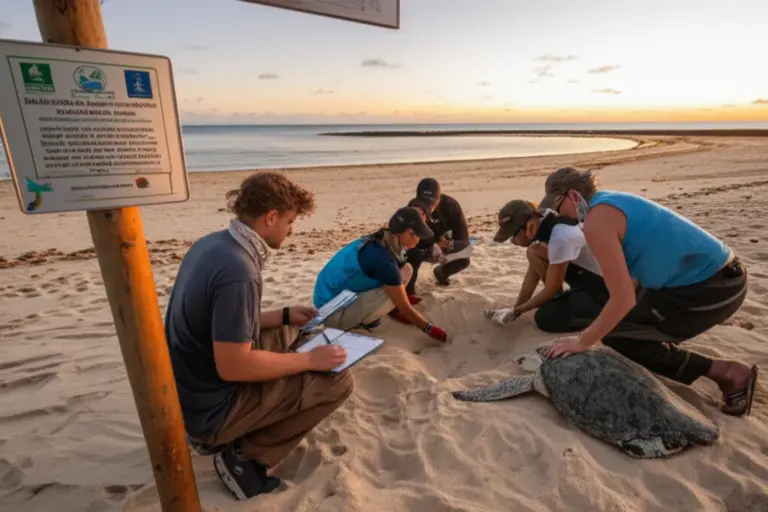
The golden rule of turtle conservation is minimal contact. Volunteers should primarily be engaged in monitoring, patrolling, data collection, and protecting nests—not handling turtles unnecessarily. Programs that encourage volunteers to pose with hatchlings or adult turtles are highly unethical and can stress the animals, potentially impacting their survival rates post-release.
Proper Hatchery Management and Release Protocols
Hatcheries, while sometimes necessary to protect eggs from predators or erosion, must be managed scientifically. Eggs should be relocated quickly and carefully, and hatchlings must be released immediately upon hatching, ideally at night, to maximize their imprinting and survival instincts. Avoid programs that keep hatchlings in tanks for days for tourist viewing—this is detrimental to their development.
Step 3: Assessing Community Partnerships and Local Impact
Sustainable conservation cannot happen without local buy-in. The best projects are integrated into the Indonesian community fabric, providing education, employment, and economic benefits to the people who live alongside the nesting beaches.
Is the Program Locally Led?
A truly successful conservation project empowers local Indonesian staff and leaders. Look at the organizational chart: Are key managerial and scientific roles held by locals? If the project is entirely run by expatriates with local labor filling only junior roles, the long-term sustainability and commitment to the community may be questionable.
Economic Benefits for Indonesian Communities
Does the project source its supplies locally? Are accommodations and meals provided by local homestays or warungs? A good credible volunteer program acts as an economic driver, ensuring that the local populace views the turtles as an asset worth protecting, rather than a resource to be consumed.
Making Your Final Decision: Practical Checks
Before committing, utilize available resources. Search for independent reviews on platforms that are not controlled by the organization itself. Look for academic papers or government reports that reference the project’s data or collaboration. Use social media to look for volunteer photos—if you see volunteers excessively handling turtles, step away.
Understanding the complex ecosystem of turtle conservation requires education. Watch this video to grasp the realities and challenges of protecting sea turtles in Southeast Asia, which underlines the importance of choosing an ethical and professional project:
By meticulously verifying permits, scrutinizing ethical guidelines, and prioritizing community-led initiatives, Indonesian tourists and international visitors alike can ensure their participation in turtle conservation is genuinely responsible and impactful. Choosing a credible volunteer program is the first step toward becoming a true steward of Indonesia’s magnificent marine life.
คำถามที่พบบ่อย (FAQ)
References
- IUCN Marine Turtle Specialist Group (MTSG) Guidelines
- Ministry of Tourism and Creative Economy, Indonesia (Kemenparekraf) on Sustainable Tourism
- World Animal Protection: Ethical Volunteering Standards
- Supporting Sea Turtle Conservation in Bali and Sumba: How to Volunteer and Visit Responsibly
- Why Sea Turtle Conservation Matters in Bali and Sumba — understanding local species, threats, and conservation goals for tourism-aware visitors
- What to Expect as a Volunteer or Responsible Visitor — typical activities, costs, seasonal timing, accommodation, and safety guidelines