What to Expect as a Volunteer or Responsible Visitor — typical activities, costs, seasonal timing, accommodation, and safety guidelines
- What to Expect as a Volunteer or Responsible Visitor — typical activities, costs, seasonal timing, accommodation, and safety guidelines
Indonesia, an archipelago nation famed for its stunning biodiversity and rich cultural tapestry, attracts millions of travelers annually. However, growing awareness of environmental and social impact has shifted the focus toward sustainable travel. If you plan to be a volunteer or a responsible visitor Indonesia, understanding the practical realities—from daily activities to essential safety measures—is crucial for a meaningful and ethical trip. This guide outlines everything you need to know to prepare for an impactful journey.
What is Responsible Tourism?
Responsible tourism is about making better places for people to live in and better places for people to visit. It requires minimizing negative economic, environmental, and social impacts while generating greater economic benefits for local people and enhancing the well-being of host communities.
Defining the Responsible Visitor Indonesia Experience
The transition from tourist to responsible visitor involves conscious choices regarding where you spend your money, how you interact with local customs, and the environmental footprint you leave behind. For those opting to volunteer, this means selecting reputable organizations that focus on long-term community benefit rather than ‘voluntourism’ that may disrupt local economies.
Typical Activities and Projects
Volunteering and responsible travel activities in Indonesia are highly diverse, often centered around conservation and education, particularly in popular areas like Bali, Java, and Borneo.
- Marine Conservation: Focuses on coral reef restoration, beach cleanups, and sea turtle protection, especially in areas like the Gili Islands or Raja Ampat. Activities include diving/snorkeling surveys and data collection.
- Wildlife Protection: Projects often involve rehabilitation centers for endangered species such as Orangutans (Borneo/Sumatra) or elephants. Direct interaction with animals is usually limited to trained staff to prioritize animal welfare.
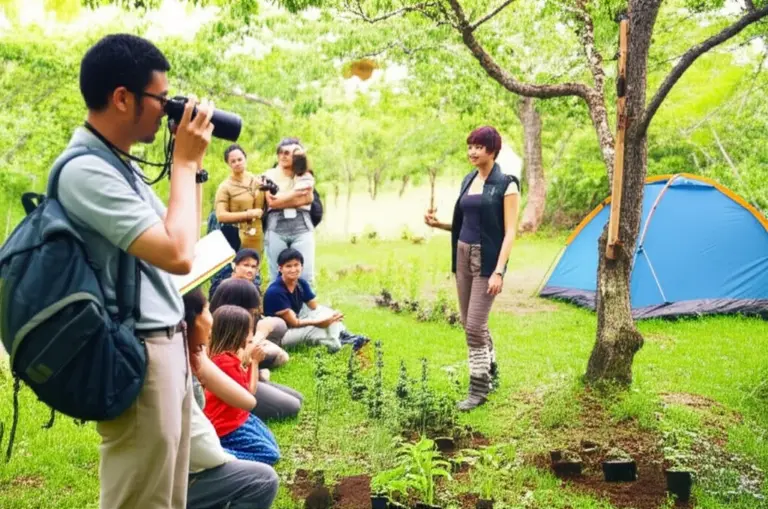
- Education and Community Development: Teaching English, IT skills, or sustainable farming techniques in rural villages. This requires patience and cultural sensitivity.
- Eco-Tourism Support: Assisting local guides in developing sustainable trekking routes or managing waste in national parks.
Understanding Costs and Financial Planning
When considering costs, it is essential to distinguish between standard travel expenses and program fees. Responsible volunteering often involves a program fee, which covers your accommodation, food, in-country transport, and crucially, the resources needed to run the project (staff salaries, equipment, local permits).
| Expense Category | Typical Range (USD/Week) | Notes |
|---|---|---|
| Volunteer Program Fee | $150 – $450 | Varies widely based on project type and duration. Higher fees often indicate better support and resources. |
| Independent Travel (Budget) | $150 – $250 | Includes basic guesthouses, local food, and shared transport. |
| Visa Costs | $35 – $100 | Depending on visa type (e.g., Visa on Arrival or social/cultural visa). Volunteers generally cannot use tourist visas. |
| Local Transport (Daily) | $5 – $15 | Rental scooter or ride-sharing apps (Gojek/Grab). |
Ethical Spending
As a responsible visitor, prioritize spending money directly within local communities. Choose locally owned guesthouses (losmen), eat at small warungs, and purchase crafts directly from artisans rather than large chain stores. This ensures your financial contribution supports the Indonesian economy at the grassroots level.
Seasonal Timing: When to Visit Indonesia
Indonesia experiences two main seasons: the dry season and the rainy season. The timing of your visit significantly impacts travel logistics and the type of volunteer work available.
- Dry Season (April to October): This is peak tourism season. Expect sunny weather, higher prices, and more crowded sites. Ideal for marine volunteering (calmer seas) and trekking.
- Rainy Season (November to March): Lower prices and fewer crowds. While travel can be disrupted by heavy downpours, this is often a crucial time for agricultural or community development projects. Visibility for diving may decrease.
Accommodation and Cultural Immersion
Volunteer accommodation often ranges from basic shared housing provided by the organization to homestays with local families. As a responsible visitor, embracing these local options enhances cultural immersion and supports the community.
Essential Safety Guidelines for Visitors
Safety in Indonesia is generally manageable, but requires vigilance, particularly regarding health and transportation. Being a prepared and responsible visitor Indonesia means prioritizing both personal safety and cultural respect.
Health and Documentation
- Vaccinations: Consult a travel clinic well in advance. Hepatitis A and B, Typhoid, and Tetanus are commonly recommended. Malaria risk exists in some eastern islands (e.g., Papua, parts of Kalimantan) but is low in Bali and Java.
- Insurance: Comprehensive travel insurance covering medical evacuation is non-negotiable.
- Water: Drink only bottled water or water purified using reliable methods. Avoid ice unless you are certain it was made from purified water.
Cultural and Personal Safety
Traffic Safety
Motorcycle accidents are common. If renting a scooter, ensure you have the proper international license and helmet. Avoid driving at night, especially in rural areas.
Petty Crime
Be aware of pickpocketing, particularly in busy markets and tourist areas like Kuta, Bali. Keep valuables secured and out of sight.
Finally, remember that Indonesia is predominantly Muslim, with significant Hindu populations in Bali and Christian populations in other regions. Respect local religious practices, particularly during fasting months (Ramadan) or religious holidays (Nyepi in Bali). Your willingness to learn and adapt will define your success as a responsible visitor.
คำถามที่พบบ่อย (FAQ)
Here are answers to common questions about volunteering and responsible travel in Indonesia.
References
- Supporting Sea Turtle Conservation in Bali and Sumba: How to Volunteer and Visit Responsibly
- Why Sea Turtle Conservation Matters in Bali and Sumba — understanding local species, threats, and conservation goals for tourism-aware visitors
- How to Choose a Credible Volunteer Program — verifying permits, ethical practices, and community partnerships for responsible turtle projects