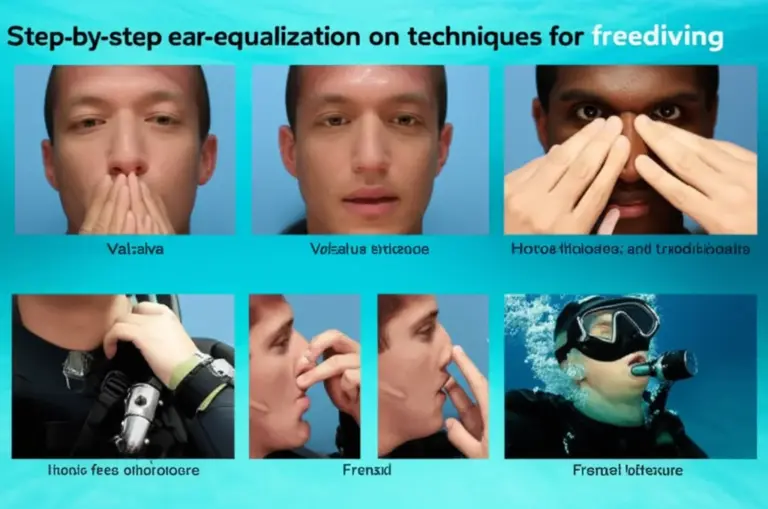
Step-by-step equalization methods for Gili conditions — Valsalva, Frenzel, hands-free techniques, and troubleshooting
- Step-by-step equalization methods for Gili conditions — Valsalva, Frenzel, hands-free techniques, and troubleshooting
The Gili Islands—Trawangan, Meno, and Air—are renowned worldwide for their crystal-clear waters, vibrant coral reefs, and abundant marine life, making them a prime destination for divers and snorkelers visiting Indonesia. However, enjoying the breathtaking underwater scenery requires mastering a critical skill: ear equalization. Failure to properly manage pressure changes can lead to painful ear barotrauma, commonly known as a ‘squeeze,’ which can ruin your holiday. This guide provides a detailed look at the essential equalization methods for Gili conditions, including the Valsalva, Frenzel, and advanced hands-free techniques, ensuring you can descend safely and comfortably.
Understanding Equalization and Gili Diving Conditions
When you descend, the ambient pressure increases rapidly. Your middle ear, which is an air-filled space, must be continuously supplied with air via the Eustachian tubes to match the external pressure. The Gili Islands often feature drift dives and quick descents to reach deeper reefs, meaning divers must be proficient and quick with their equalization methods.
The Anatomy of Equalization
The Eustachian tube connects the back of your nose and throat to your middle ear. Normally, this tube is closed. Equalization techniques are simply controlled ways of opening this tube to allow air to flow from your throat into your middle ear, relieving the pressure difference.
Method 1: The Valsalva Maneuver (The Basic Technique)
The Valsalva maneuver is the method most often taught to beginner divers and snorkelers. It is simple to execute, but it relies on force rather than muscle control, which can sometimes be counterproductive if performed too late or too aggressively.
Step-by-Step Valsalva
- Pinch: Pinch your nose shut using your thumb and forefinger (or press your mask skirt against your nostrils).
- Close: Keep your mouth firmly closed.
- Blow: Gently attempt to exhale through your pinched nose. This forces air into the Eustachian tubes.
| Pros | Cons |
|---|---|
| Easy to learn and execute for beginners. | Requires constant breath-holding effort (not ideal for sustained descent). |
| Effective in shallow water (snorkeling). | Increases chest and intra-thoracic pressure, potentially affecting blood flow. |
Method 2: The Frenzel Technique (The Diver’s Choice)
The Frenzel technique is the preferred method for experienced scuba divers, especially when performing repeated or deep descents common around the Gili Islands. Unlike Valsalva, which uses the diaphragm and lungs, Frenzel uses the tongue and throat muscles to pump air, conserving energy and reducing the risk of forcing the equalization too hard.
Step-by-Step Frenzel
- Pinch: Pinch your nose shut.
- Close Glottis: Close the glottis (the valve at the base of your throat, as if you were about to lift a heavy object).
- Pump: Move the back of your tongue upward and backward, like a piston, compressing the air in your mouth and throat.
- Listen: You should hear a slight ‘pop’ or feel the pressure release.
Mastering the Frenzel technique allows for rapid, subtle, and continuous equalization without straining the body. This is crucial when navigating currents or enjoying the stunning wall dives that the Gili Islands offer.
Advanced and Hands-Free Techniques
For the truly advanced diver looking for optimal efficiency, combining techniques or achieving hands-free equalization can enhance the diving experience significantly, allowing full focus on buoyancy and the environment.
Toynbee Maneuver
The Toynbee maneuver involves pinching the nose and swallowing simultaneously. Swallowing pulls open the Eustachian tubes, and the pinched nose prevents air from escaping, drawing air into the middle ear. This is an excellent technique for clearing ears after a dive or when pressure is not severe.
Hands-Free (BTV) Equalization
Some skilled individuals, often freedivers, can perform the Boca-Tubal Voluntaria (BTV) technique—true hands-free equalization. This involves voluntary control over the muscles of the soft palate (tensor veli palatini) to open the Eustachian tubes. This requires dedication and practice but is the most efficient and least intrusive method available.
Troubleshooting Common Equalization Problems
Even with the best techniques, divers sometimes encounter difficulties. This is often exacerbated by mild congestion, which can be common when traveling. Knowing how to troubleshoot these issues is key to preventing injury and enjoying your time exploring the marine biodiversity of Indonesia.
Dealing with Reverse Blocks
A reverse block occurs during ascent when expanding air gets trapped in the middle ear and cannot escape. This is less common than a squeeze but can be more painful. If you experience a reverse block, stop your ascent immediately. Descend slightly (a meter or two) to compress the air, then try the Toynbee maneuver (swallowing while pinching the nose) or wiggling your jaw to encourage the tubes to open. Ascend very slowly.
When to Abort the Dive
If you experience sharp, persistent pain, or if equalization attempts are unsuccessful after multiple tries, you must abort the dive. Pushing through the pain significantly increases the risk of barotrauma, which can lead to severe ear injuries and possibly require medical intervention, sidelining you for the rest of your trip. Never dive when severely congested or sick.
Before attempting deep dives around the Gili Islands (Lombok), practice your equalization in the shallow, protected bays near Gili Trawangan or Gili Air. This allows you to master the Frenzel technique in a controlled environment.
Mastering the equalization methods for Gili conditions is not just about comfort; it is about safety. Whether you prefer the forceful Valsalva or the refined Frenzel technique, consistent, early, and gentle equalization is the key to protecting your ears and maximizing your enjoyment of Indonesia’s spectacular underwater world.
คำถามที่พบบ่อย (FAQ)
This section addresses common questions regarding ear equalization for diving and snorkeling.
References
- PADI (Professional Association of Diving Instructors) Safety Guidelines
- Divers Alert Network (DAN) on Ear Barotrauma
- National Center for Biotechnology Information (NCBI) studies on Middle Ear Pressure
- Freediving the Gilis Courses: Essential Equalization Techniques and Safety Protocols for Beginners to Advanced Divers
- Why equalization matters in freediving the Gili Islands — common ear and sinus issues and how to prevent them
- Course structure and progression — what Gili freediving courses teach about equalization, depth training, and skill assessments