Why Indonesia’s Coral Reefs Need Protection and What Snorkelers Should Know About Local Ecosystems
Indonesia is the heart of the Coral Triangle, a region of the world that holds the highest diversity of marine life on Earth. As a primary driver for Indonesia Tourism, these underwater gardens attract millions of visitors annually. However, this natural treasure is under significant threat from climate change, pollution, and unsustainable tourism practices. Understanding the delicate balance of these ecosystems is the first step toward ensuring they remain vibrant for generations to come.
The Vital Role of Coral Reefs in Indonesia
Coral reefs are often called the “rainforests of the sea.” In Indonesia, they provide more than just a beautiful backdrop for photos. They are essential biological structures that support over 25% of all marine species. For local communities, these reefs are a source of food, income through Indonesia Tourism, and a natural barrier that protects coastlines from erosion and storm surges. Without healthy reefs, the socio-economic stability of many Indonesian islands would crumble.
Threats to the Marine Ecosystem
Despite their importance, Indonesia’s reefs face unprecedented challenges. Ocean warming leads to coral bleaching, where corals expel the symbiotic algae living in their tissues, turning them white and often leading to death. Additionally, plastic pollution and destructive fishing methods, such as blast fishing, have left scars on once-thriving habitats.
The Impact of Tourism
While Indonesia Tourism brings economic benefits, it also places pressure on marine environments. Physical damage from boat anchors, trampling by snorkelers, and the chemical impact of sunscreens containing oxybenzone can severely degrade reef health. It is crucial for visitors to adopt an eco-conscious mindset when entering the water.
What Snorkelers Should Know: Best Practices
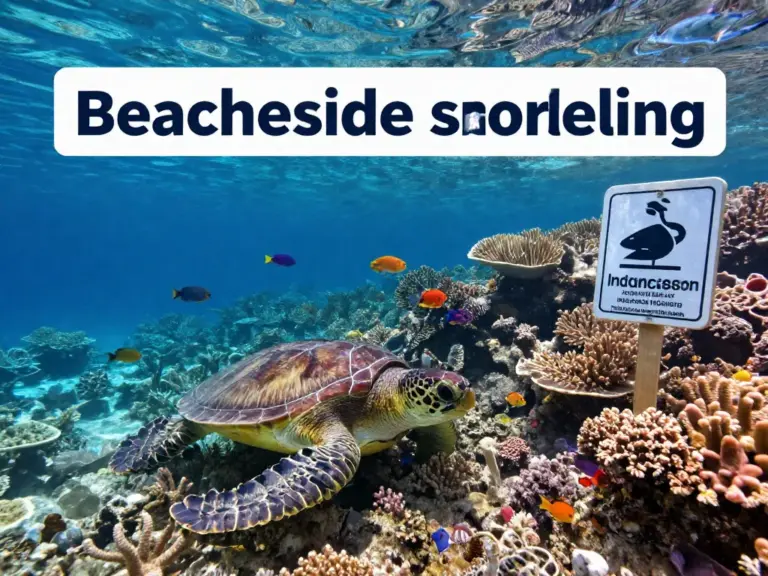
As a snorkeler, you are a guest in a fragile underwater world. To minimize your footprint and contribute to the protection of Indonesia’s ecosystems, follow these essential guidelines:
- Never Touch the Coral: Even a slight touch can transfer oils and bacteria or break off pieces that took decades to grow.
- Perfect Your Buoyancy: Avoid standing on reefs or kicking up sediment, which can smother and kill coral polyps.
- Use Reef-Safe Sunscreen: Choose mineral-based sunscreens (zinc oxide or titanium dioxide) to avoid chemical contamination.
- Take Your Trash: Ensure no plastic waste enters the ocean from your boat or beach trip.
| Action | Impact on Ecosystem |
|---|---|
| Standing on Coral | Crushes polyps and destroys structure |
| Feeding Fish | Disrupts natural feeding cycles and nutrient balance |
| Using Non-Reef Safe Sunscreen | Causes coral bleaching and DNA damage |
Supporting Local Conservation Efforts
Many regions in Indonesia, such as Raja Ampat and Komodo National Park, have established Marine Protected Areas (MPAs). By paying entrance fees to these parks, travelers directly fund patrols and restoration projects. Supporting local eco-friendly tour operators who prioritize education over entertainment is another way to ensure Indonesia Tourism remains a force for good.
คำถามที่พบบ่อย (FAQ)
Why is coral so important for Indonesia?
Coral reefs support Indonesia’s biodiversity, provide food for millions, and protect the islands from natural disasters like tsunamis and erosion.
Can I wear normal sunscreen when snorkeling?
It is highly discouraged. Many standard sunscreens contain chemicals like oxybenzone that are toxic to coral. Always look for “Reef-Safe” labels.
What should I do if I see someone damaging the reef?
Gently inform them of the rules or report the behavior to your tour guide or the local park authorities to help educate others.
Are there specific areas in Indonesia best for eco-friendly snorkeling?
Raja Ampat, Wakatobi, and the Gili Islands are known for their strong conservation initiatives and stunning, well-protected reef systems.
References
World Wildlife Fund: The Coral Triangle
Official Indonesia Tourism Portal