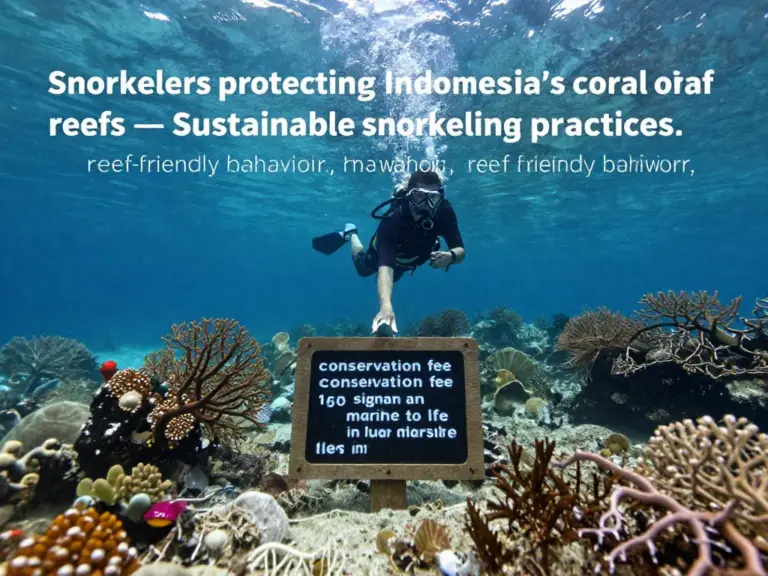
Protecting Coral Reefs in Indonesia: Snorkeling Best Practices and Conservation Fees Explained
Indonesia’s underwater world is a kaleidoscope of life, boasting over 75% of the world’s known coral species. From the majestic walls of Bunaken to the vibrant gardens of Raja Ampat, Protecting Coral Reefs in Indonesia is not just an environmental necessity; it is vital for the livelihoods of millions and the future of global marine health. As tourism continues to grow, understanding how to interact with these ecosystems and why conservation fees are necessary has never been more critical.
The Importance of Marine Conservation in the Archipelago
Coral reefs act as natural barriers, protecting coastlines from erosion and providing habitats for countless marine species. In Indonesia, the pressure from climate change, overfishing, and unregulated tourism poses a significant threat. By adopting sustainable practices, travelers can ensure that these ‘rainforests of the sea’ remain vibrant for generations to come. Conservation efforts often involve local communities, ensuring that the people who live closest to the reefs are the ones empowered to protect them.
Essential Snorkeling Best Practices
To minimize your impact while exploring the blue, follow these expert-recommended guidelines:
- Never Touch the Coral: Corals are living animals. Even a slight touch can remove their protective mucus layer, making them vulnerable to disease and death.
- Practice Buoyancy Control: Avoid kicking up sand or sediment, which can smother and choke coral polyps.
- No Fish Feeding: Feeding fish disrupts the natural food chain and can lead to aggressive behavior or the overgrowth of algae on the reef.
- Use Reef-Safe Sunscreen: Traditional sunscreens contain oxybenzone and octinoxate, which are toxic to coral. Look for mineral-based (zinc oxide) alternatives.
Understanding Conservation Fees
When visiting world-class marine parks like Komodo or Raja Ampat, you will be required to pay a conservation fee. While it might seem like just another travel expense, these funds are essential for Protecting Coral Reefs in Indonesia. The revenue is typically allocated toward:
| Category | Purpose |
|---|---|
| Patrolling | Preventing illegal fishing and destructive practices within park boundaries. |
| Research | Monitoring reef health and coral bleaching events. |
| Community Support | Providing sustainable alternative livelihoods for local villagers. |
| Infrastructure | Maintaining mooring buoys so boats don’t have to drop anchors on the reef. |
Where to Pay Fees
Most fees are paid at the port of entry or through registered tour operators. For example, the Raja Ampat Environmental Service Fee (Tarif Layanan Lingkungan) provides a tag that is valid for one year. Always keep your proof of payment or permit tag with you while snorkeling or diving, as park rangers perform frequent spot checks.
Top Eco-Conscious Snorkeling Spots
If you are looking for destinations that prioritize conservation, consider these locations:
- Raja Ampat, West Papua: Known as the ‘Crown Jewel,’ this area has strict marine protected areas (MPAs).
- Komodo National Park, Flores: Famous for its dragons, but its reefs are equally legendary and well-monitored.
- Wakatobi, Southeast Sulawesi: A private marine reserve that works closely with local communities.
คำถามที่พบบ่อย (FAQ)
References
- Coral Triangle Center – Marine Conservation Indonesia
- Official Indonesia Tourism Website
- WWF – The Coral Triangle