Snorkeling Best Practices in Indonesia: How to Swim, Gear Up, and Avoid Damaging Reefs
Indonesia is the heart of the Coral Triangle, boasting the world’s highest marine biodiversity. From the crystal-clear waters of Raja Ampat to the vibrant reefs of Komodo National Park, the archipelago offers unparalleled underwater experiences. However, with great beauty comes great responsibility. Following Snorkeling Best Practices in Indonesia is essential to ensure your safety and the preservation of these fragile ecosystems for generations to come.
1. Essential Gear: Choosing the Right Equipment
Before you hit the water, having the right gear is the first step in Snorkeling Best Practices in Indonesia. Poorly fitting equipment can lead to discomfort or even dangerous situations underwater. Ensure your mask has a tight seal, your snorkel allows for easy breathing, and your fins are the correct size to avoid cramping.
- Mask: Choose tempered glass for safety and ensure a leak-proof fit.
- Fins: Use full-foot fins for warm Indonesian waters to protect your feet and improve propulsion.
- Rash Guard: Protect yourself from the sun and jellyfish stings without using harmful chemicals.
2. Responsible Swimming: Protecting the Coral Reefs
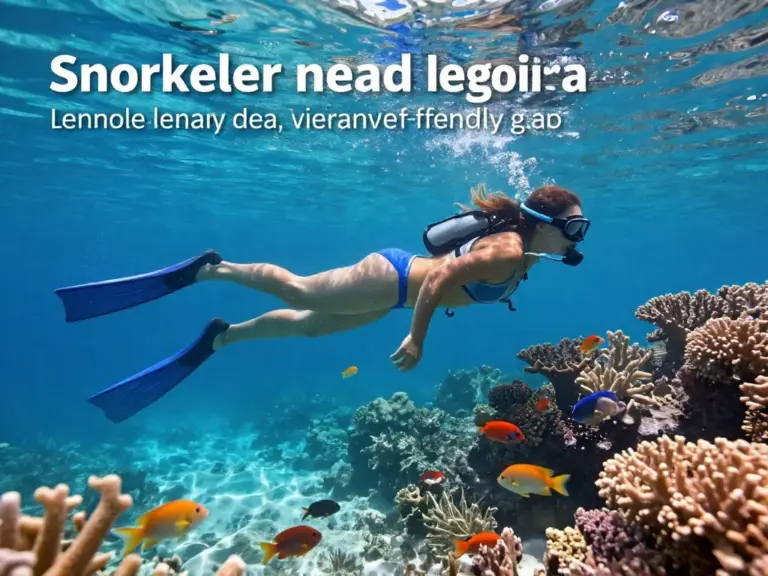
Coral reefs are living organisms, not rocks. They are incredibly fragile and can take decades to recover from a single touch or kick. To avoid damaging reefs, maintain a horizontal position in the water and stay at least 2-3 meters away from the coral. Avoid standing on any hard surfaces, as they may be covered in living polyps.
| Action | Why it Matters |
|---|---|
| Never Touch Coral | Human oils and bacteria can kill the polyps. |
| Control Your Fins | Accidental kicks can break centuries-old structures. |
| Don’t Feed Fish | Disrupts the natural food chain and ecosystem balance. |
3. Sun Protection: Reef-Safe Sunscreen Only
Standard sunscreens contain chemicals like oxybenzone and octinoxate, which cause coral bleaching even in small concentrations. When following Snorkeling Best Practices in Indonesia, always opt for mineral-based, reef-safe sunscreens (Zinc Oxide or Titanium Dioxide) or wear a long-sleeved rash guard to minimize the need for lotion.
Indonesia is known for its strong currents, particularly in areas like Komodo and Nusa Penida. Always check weather conditions and tide charts before heading out. It is highly recommended to snorkel with a local guide who understands the local water movements and can ensure you stay within safe zones.
คำถามที่พบบ่อย (FAQ)
Q: Is it safe to snorkel in Indonesia without a guide?
A: While possible in calm areas, it is always safer to have a guide, especially in locations known for strong currents and diverse marine life.
Q: What should I do if I see a sea turtle?
A: Observe from a distance. Do not chase, touch, or block the turtle’s path to the surface, as they need to breathe air.
Q: Why is standing on the seabed discouraged?
A: Even if it looks like sand, there may be small coral recruits or sea grass that are vital to the ecosystem. Always remain buoyant.
References
Official Indonesia Tourism Website
Coral Triangle Initiative
- Protecting Coral Reefs in Indonesia: Snorkeling Best Practices and Conservation Fees Explained
- Why Indonesia’s Coral Reefs Need Protection and What Snorkelers Should Know About Local Ecosystems
- Understanding Conservation and Marine Park Fees: Where Fees Go, How They Help, and What Visitors Should Pay