Itineraries, Highlights, and Wildlife Encounters: Typical Routes, Must-See Stops, and Komodo National Park Experiences
- Itineraries, Highlights, and Wildlife Encounters: Typical Routes, Must-See Stops, and Komodo National Park Experiences
- Understanding Komodo National Park: The Gateway and Logistics
- The Essential Komodo Itineraries and Must-See Stops
- Maximizing Your Wildlife Encounters: Timing and Tips
- Sample 3-Day Liveaboard Itinerary Structure
- Expert Tips for a Safe and Memorable Trip
- คำถามที่พบบ่อย (FAQ)
- Is it safe to swim with Manta Rays at Manta Point?
- How many days are absolutely necessary for Komodo National Park experiences?
- Can I visit Komodo Island and Rinca Island on the same day trip?
- What is the best time of day to see the Komodo Dragons active?
Welcome to the edge of the known world! Komodo National Park, a UNESCO World Heritage site located in the Lesser Sunda Islands of Indonesia, offers one of the planet’s most unique travel adventures. Planning your trip requires navigating specific routes and knowing the best times for thrilling Komodo National Park experiences. This guide provides the expert knowledge you need to craft the perfect itinerary, ensuring you witness the legendary Komodo dragons and the breathtaking landscapes that define this archipelago.
Understanding Komodo National Park: The Gateway and Logistics
The primary gateway to the park is Labuan Bajo, the main town on Flores Island. From here, all excursions—whether a short day trip or an extended liveaboard—depart. Understanding the logistics is crucial for maximizing your time among the park’s five main islands: Komodo, Rinca, Padar, Gili Motang, and Nusa Kode. Expert planning ensures you adhere to park regulations while maximizing your exposure to the diverse ecosystems.
Choosing Your Journey: Day Trip vs. Liveaboard
Your choice of itinerary dictates the depth of your Komodo National Park experiences.
- Day Trips: Ideal for travelers based in Labuan Bajo. Typically cover 2-3 major spots (e.g., Padar, Pink Beach, Rinca/Komodo). Limited time, requiring early starts.
- Liveaboards (Phinisi Boats): The gold standard. Ranging from 2D/1N to 4D/3N, these allow access to more remote dive sites and ensure you reach the dragon habitats during optimal viewing hours.
The Essential Komodo Itineraries and Must-See Stops
While countless variations exist, most successful itineraries focus on three core pillars: Hiking/Views, Wildlife, and Marine Life. Here are the absolute must-see stops that form the backbone of any quality tour.
1. Padar Island: The Iconic Viewpoint
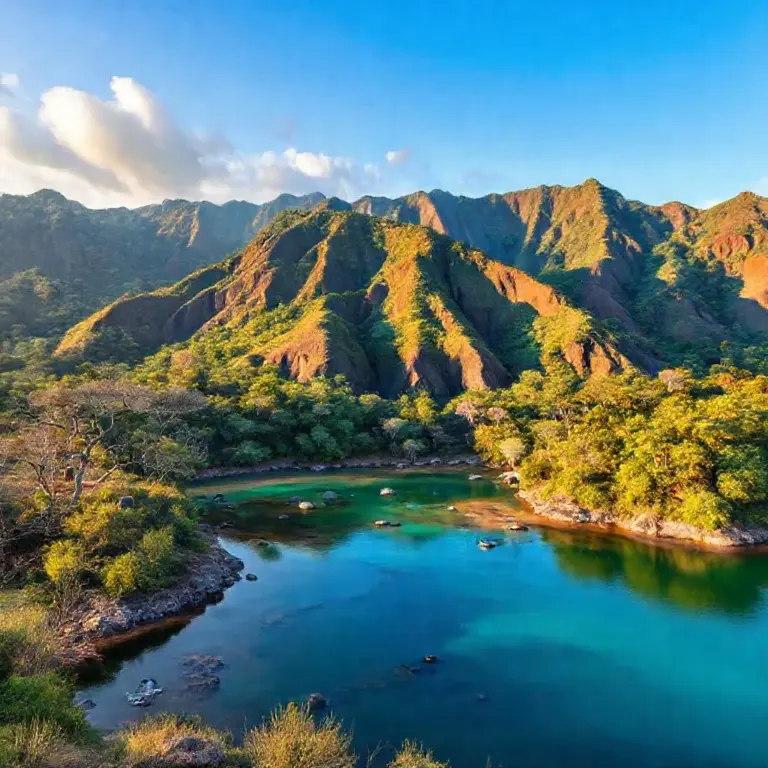
Padar Island is arguably the most photographed location in the park, famous for its sweeping panorama featuring three distinct crescent-shaped beaches of varying sand colors. Reaching the viewpoint requires a moderately strenuous 30-45 minute hike, best undertaken at sunrise or sunset for the most dramatic lighting. This stop is a non-negotiable highlight.
2. Komodo and Rinca Islands: Dragon Territory
These two islands host the majority of the Komodo dragon population. Park regulations mandate that visitors must be accompanied by a registered park ranger for safety. Rinca Island often provides easier wildlife sightings and less crowded trekking paths compared to Komodo Island, making it a favorite for many tour operators.
Wildlife Encounters Protocol
When observing the Komodo dragons, maintain a respectful distance (at least 5 meters). Rangers carry forked sticks, not for defense against tourists, but to gently guide the dragons away from paths. Patience is key; the dragons are ambush predators and often rest in the shade during the heat of the day.
3. Pink Beach (Pantai Merah)
A truly unique marine stop, Pink Beach gets its color from microscopic red organisms (Foraminifera) mixing with the white sand. The snorkeling and shallow-water diving here are superb, offering vibrant coral gardens and a high chance of spotting sea turtles.
4. Manta Point (Karang Makassar)
For marine enthusiasts, Manta Point is essential. This cleaning station attracts majestic Manta Rays. While sightings are never guaranteed, the sheer size and grace of these creatures gliding through the water is one of the most profound Komodo National Park experiences available. Snorkeling is often preferred here over scuba diving to minimize disturbance.
Maximizing Your Wildlife Encounters: Timing and Tips
To ensure the best sightings of the famous Komodo dragons and other endemic species, timing your visit correctly is paramount. The park is accessible year-round, but weather patterns influence visibility and comfort.
Best Time to Visit
The dry season, spanning from April to October, is considered the ideal time. During these months, the seas are calmer, visibility for diving is excellent, and the heat is manageable for hiking on the islands. During the wet season (November to March), boat rides can be rougher, but wildlife viewing is still possible, and the landscapes are lusher.
Beyond the Dragon: Other Wildlife
While the dragon is the star, Komodo National Park is a biodiversity hotspot. Keep an eye out for:
- Timor Deer: Frequently seen grazing near the Komodo dragons (a crucial part of their diet).
- Water Buffalo: Large herds often inhabit the lower grasslands.
- Megafauna: The marine environment teems with turtles, reef sharks, and various pelagic fish species.
To truly immerse yourself, consider a short video guide on responsible interaction with this unique ecosystem:
Sample 3-Day Liveaboard Itinerary Structure
For those seeking the most comprehensive tour, a 3-day/2-night liveaboard allows for a balanced mix of trekking, snorkeling, and relaxation. This structure effectively covers all major highlights.
| Day | Morning Activity | Afternoon Activity |
|---|---|---|
| Day 1 | Arrival in Labuan Bajo, Board Boat. Trekking on Rinca Island (Dragon Sighting). | Snorkeling/Relaxing at Kelor Island or Kalong Island (Bat Flight viewing). |
| Day 2 | Sunrise hike at Padar Island. Visit Pink Beach for snorkeling. | Manta Point for Manta Ray encounters. Explore Kanawa Island. |
| Day 3 | Trekking on Komodo Island (if permitted/desired, otherwise more diving). | Return to Labuan Bajo by mid-afternoon. |
Expert Tips for a Safe and Memorable Trip
Ensuring your Komodo National Park experiences are safe relies on respecting the environment and following local guidance. Here are final recommendations from an expert perspective:
- Hydration is Key: The climate is hot and humid. Carry significantly more water than you think you need, especially for Padar and dragon treks.
- Sun Protection: High SPF sunscreen, wide-brimmed hats, and UV-protective clothing are essential. The equatorial sun is intense.
- Fees: Be aware that park entrance fees (usually paid daily) are separate from tour costs and must be settled in cash.
- Local Guide Respect: Always listen intently to your park ranger; their knowledge is paramount to safety and spotting wildlife.
คำถามที่พบบ่อย (FAQ)
References
- Mekong-Equivalent River Cruises and Komodo Boat Tours: From Slow Boats to Luxury Journeys — Complete Guide for Planning, Pricing, and Experiences
- Why Choose a Mekong-Style River Cruise or Komodo Boat Tour: Regions, Best Seasons, and Travel Styles Compared
- Types of Boats and Onboard Amenities: From Slow Boats and Liveaboards to Luxury Yachts and Private Charters