Multi-Day Kayaking in Komodo National Park: Ultimate Routes, Permits, and Planning Guide
- Multi-Day Kayaking in Komodo National Park: Ultimate Routes, Permits, and Planning Guide
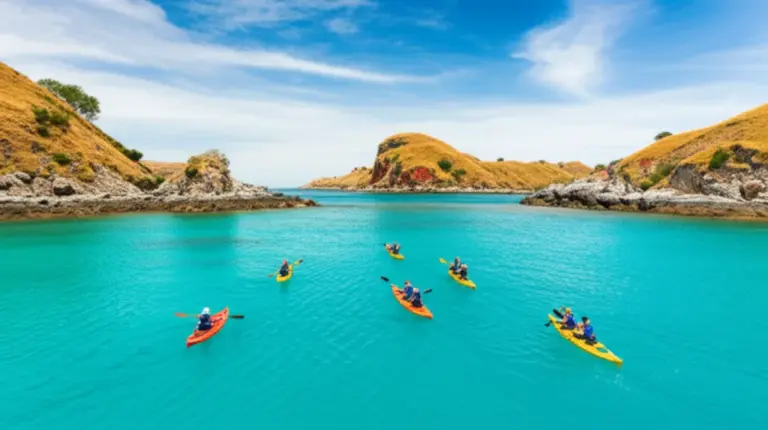
Embarking on a journey of Multi-Day Kayaking in Komodo National Park offers one of the most intimate and sustainable ways to experience this UNESCO World Heritage site. Far removed from the crowded tourist boats, paddling through these waters allows you to glide silently over vibrant coral reefs, discover hidden coves, and approach the islands on your own terms. This guide provides the ultimate blueprint for planning your expedition, covering everything from essential permits and best routes to crucial safety protocols for an unforgettable Indonesian adventure.
The Unforgettable Experience of Multi-Day Kayaking in Komodo National Park
Why Kayak Komodo? (E-E-A-T Intro)
While many visitors opt for a fast liveaboard cruise, choosing a multi-day kayaking trip provides a unique perspective. It is a low-impact, sustainable approach that allows you to access secluded beaches and mangrove forests unreachable by larger vessels. The silence of the kayak enhances the experience, letting you hear the gentle lapping of the waves and the calls of exotic birds. This is not just a tour; it’s an expedition that demands respect for the environment and rewards you with unparalleled solitude and natural beauty.
Essential Planning: Permits, Fees, and Booking
The Komodo National Park administration strictly regulates all activities to preserve its delicate ecosystem. Proper documentation and adherence to rules are non-negotiable for any multi-day trip starting from the gateway town of Labuan Bajo, Flores.
National Park Fees and Ranger Services
All visitors must pay several fees, which typically cover entrance, trekking, snorkeling, and conservation. These fees can vary depending on the day (weekends are more expensive) and the activity. For a multi-day trip, it is highly recommended to book through a reputable local operator, as they will manage the complex permit process, including securing mandatory ranger accompaniment for any land-based activity, especially dragon-trekking on Rinca or Komodo Island.
| Fee Type | Description |
|---|---|
| Entrance Fee | Daily charge for entering the National Park. |
| Conservation Fee | Mandatory fee contributing to park maintenance. |
| Activity Fee | Separate fees for snorkeling, trekking, and photography. |
| Ranger Fee | Mandatory fee for a licensed ranger (especially for dragon sightings). |
Choosing Your Kayaking Operator (Liveaboard vs. Shore-based)
The most popular and safest option for multi-day kayaking is the **liveaboard support model**. In this setup, a larger boat serves as your floating base, providing accommodation, meals, safety backup, and transport between major kayaking areas. You paddle the scenic sections during the day and return to the comfort and safety of the boat at night. Shore-based camping is possible but requires extensive logistics and permits, and is often reserved for longer, specialized expeditions.
Ultimate Kayaking Routes and Destinations
The routes you take will depend on the duration of your trip (3-day, 5-day, or longer) and your focus (marine life, trekking, or photography). All routes are generally centered around the three main islands: Komodo, Rinca, and Padar.
The Classic Route: Komodo, Rinca, and Padar
A standard 3 to 4-day itinerary usually includes these iconic stops:
- **Rinca Island:** The primary location for a high-probability Komodo dragon sighting. Kayaking around the calmer bays of Rinca provides stunning coastal views before your trek.
- **Padar Island:** While the iconic hike to the viewpoint is land-based, kayaking around the island’s three distinct bays (white, black, and pink sand) offers a unique perspective on its dramatic topography.
- **Pink Beach (Pantai Merah):** A perfect mid-day kayaking and snorkeling stop. The pink hue of the sand is caused by microscopic organisms called *Foraminifera*.
Hidden Gems: Gili Lawalaut and Manta Point
For a longer 5 to 7-day expedition, you can venture to the northern reaches of the park:
- **Gili Lawalaut:** Offers some of the most spectacular snorkeling and diving in the park. Kayaking through the narrow channel during slack tide is exhilarating, leading to the famous Gili Lawa Darat viewpoint.
- **Manta Point (Karang Makassar):** Kayaking here allows you to observe the majestic Manta Rays from the surface. While the currents can be strong, a support boat is essential to safely position the kayaks for optimal viewing.
Safety and Logistics: What You Need to Know
Safety in Komodo National Park is paramount, given the strong currents and the presence of the Komodo Dragon.
Best Season and Weather Considerations
The dry season, running from **April to December**, is generally considered the best time for kayaking, offering calm seas, sunny skies, and excellent visibility. The peak months of July and August can be windy, which might lead to choppier waters. The wet season (January to March) brings heavier rainfall and occasionally rougher seas, but the park is less crowded.
Encountering the Komodo Dragon (Safety Protocol)
Dragon encounters are strictly land-based and must always be conducted under the supervision of a trained National Park Ranger. Kayakers should never attempt to go ashore on Komodo or Rinca without a guide. The dragons are apex predators, and while attacks are rare, they are a serious risk. Rangers carry forked sticks and are trained in safety procedures. When paddling, always maintain a safe distance from the shorelines of the main islands.
Gear Checklist for Your Komodo Expedition
A successful multi-day trip requires preparation. While your operator should provide the kayak and safety equipment, here is a personal checklist:
- **Sun Protection:** High SPF sunscreen, wide-brimmed hat, sunglasses with retention strap, and UV-protective clothing (rashguards). The equatorial sun is intense.
- **Waterproof Gear:** Dry bags for electronics, camera, and personal items. A waterproof phone case is essential.
- **Footwear:** Water shoes or sandals for kayaking and sturdy trekking shoes for the island hikes.
- **Hydration:** A reusable water bottle or hydration pack. Even on a liveaboard, staying hydrated while paddling is critical.
- **First Aid:** Basic personal medical kit, including seasickness tablets and anti-diarrhea medication.
Multi-Day Kayaking in Komodo National Park is the ultimate way to immerse yourself in Indonesia’s natural masterpiece. By understanding the permit requirements, choosing a reliable operator, and respecting the park’s rules, you are set for an adventure that few others ever experience.
คำถามที่พบบ่อย (FAQ)
References
- Komodo Kayaking – Tour Operator Information
- UNESCO World Heritage Centre – Komodo National Park
- Komodo National Park Official Information
- Best Multi-Day Kayak Routes in Komodo National Park — Scenic Itineraries, Difficulty Levels, and Wildlife Highlights
- How to Secure Permits and Park Fees for Multi-Day Kayaking — Regulations, Timelines, and Local Operator Requirements
- Safety, Gear, and Weather Considerations for Multi-Day Kayaking in Komodo — Tides, Sea Conditions, and Emergency Planning