How to Plan Your Trip: Permits, Transportation (Kumai, Riverboats), Accommodation (Klotok vs. Forest Camps), and Suggested Itineraries
- How to Plan Your Trip: Permits, Transportation (Kumai, Riverboats), Accommodation (Klotok vs. Forest Camps), and Suggested Itineraries
- Introduction: Navigating the Wonders of Tanjung Puting
- Essential Pre-Trip Logistics: Permits and Entry Requirements
- Reaching the Gateway: Transportation to Kumai
- The Heart of the Journey: Riverboat Transportation (Klotok Experience)
- Choosing Your Sanctuary: Accommodation Options
- Crafting the Perfect Adventure: Suggested Itineraries
- Expert Tips for a Seamless Tanjung Puting Trip Planning
- คำถามที่พบบ่อย (FAQ)
Tanjung Puting National Park, located on the island of Borneo, offers one of the most accessible and rewarding wildlife experiences in Southeast Asia, primarily focused on observing wild and semi-rehabilitated orangutans. However, unlike standard tourist spots, visiting this remote park demands specific logistical preparation. The journey centers around the town of Pangkalan Bun and the gateway river port of Kumai. Mastering your Tanjung Puting Trip Planning involves understanding the unique transportation methods—the iconic Klotok riverboat—and the necessary official permissions.
Essential Pre-Trip Logistics: Permits and Entry Requirements
Before you even pack your bags, ensuring you have the correct documentation is paramount. Failure to secure these can halt your journey before it even reaches the river. As an expert guide, I emphasize this step for a smooth experience.
Securing Your National Park Entry Permit (SIMAKSI)
Access to the park requires a permit known locally as SIMAKSI (Surat Izin Masuk Kawasan Konservasi). While often arranged by your tour operator or Klotok captain, it is crucial to confirm that this has been organized in advance. This fee contributes directly to the park’s conservation efforts and maintenance. Ensure your booking confirmation explicitly states that the permit cost is included or accounted for.
Understanding Local Regulations
The park operates under strict conservation rules. Always respect the guidelines regarding feeding wildlife, maintaining distance, and minimizing noise. Your guide is responsible for enforcing these, but traveler awareness builds trust and ensures the longevity of this ecosystem.
Reaching the Gateway: Transportation to Kumai
The logistical hub for Tanjung Puting is Pangkalan Bun (PKN), the capital of Kotawaringin Barat Regency. From there, you must travel onward to Kumai Port, the staging point for all river excursions.
Flying into Pangkalan Bun (PKN)
The most efficient way to arrive is by flying into Iskandar Airport (PKN) in Pangkalan Bun. Direct flights are generally available from major Indonesian hubs like Jakarta (CGK) or Surabaya (SUB). Book your flights well in advance, especially during peak travel seasons, as flight capacity can be limited.
Traveling from Pangkalan Bun to Kumai Port
Kumai is approximately 30-45 minutes from Pangkalan Bun town center. Transportation options include:
- Taxi or Ride-Hailing: Convenient but potentially pricier if arranged last minute.
- Pre-Arranged Transfer: The best option; your tour operator usually organizes pickup from PKN directly to the Kumai pier.
- Local Transport (Ojek/Angkot): Possible, but challenging if carrying significant luggage.
The Heart of the Journey: Riverboat Transportation (Klotok Experience)
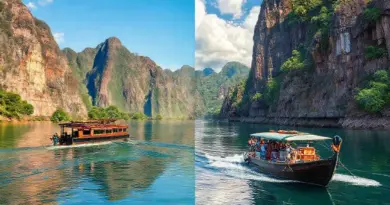
The Klotok is the defining feature of any trip here. These traditional wooden, long, motorized houseboats are your floating hotel, kitchen, and transport combined.
What is a Klotok Boat?
A Klotok is essentially a motorized canoe outfitted with a simple cabin structure. They typically feature a lower deck for sleeping quarters (often just mattresses or basic beds), an upper deck for viewing and relaxing, and a small kitchen area operated by the crew. They are slow, steady, and perfectly suited for navigating the narrow, tannin-stained black waters of the Sekonyer River.
Hiring Your Klotok: Private Charter vs. Group Tour
This decision heavily influences cost and intimacy:
| Option | Pros | Cons |
|---|---|---|
| Private Charter | Custom itinerary, privacy, flexible timing. | Higher cost, requires more coordination. |
| Group Tour | Cost-effective, easy booking. | Fixed schedule, less privacy, potentially crowded feeding stations. |
Choosing Your Sanctuary: Accommodation Options
Accommodation in Tanjung Puting is divided into two main styles, both offering immersion into the jungle environment.
The Klotok Overnight Experience (Liveaboard)
For most visitors, the Klotok *is* the accommodation. You sleep on the boat, usually on the main deck under mosquito nets, or in the small cabins if available on upgraded boats. This offers unparalleled access to the jungle sounds at night and allows you to wake up right next to prime wildlife viewing spots. Expect very basic amenities—cold water bucket showers are standard.
Staying at Forest Camps (Homestays)
Several designated forest camps (like Camp Leakey or Pondok Tanggui) offer basic homestay-style lodging on land. These are simple wooden structures, often shared. Choosing a forest camp means you anchor your Klotok nearby overnight. This can be preferable for those seeking a slightly more grounded experience or for travelers who prefer privacy away from the main river traffic at night. However, the best wildlife viewing usually happens deeper in the river system.
Immerse Yourself in the River Life
See the Klotok in action and understand the rhythm of life on the Sekonyer River.
Crafting the Perfect Adventure: Suggested Itineraries
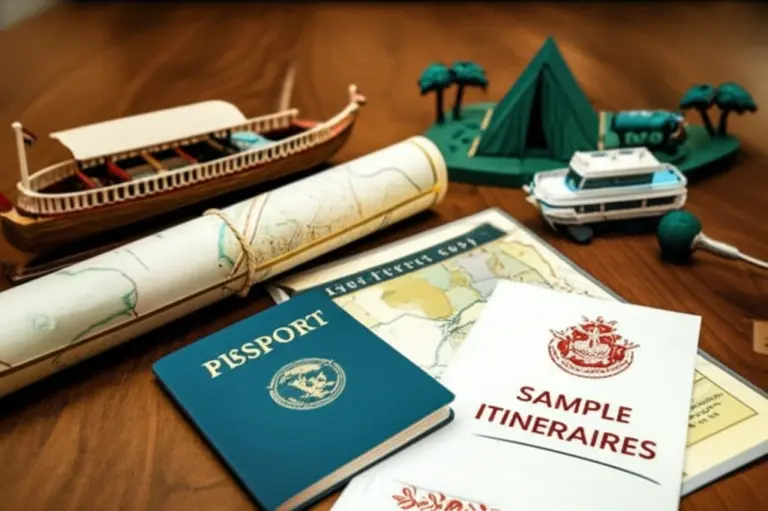
The duration of your trip dictates how far upstream you can travel and how many feeding stations you can visit. Effective Tanjung Puting Trip Planning hinges on selecting the right duration.
The Quick Explorer (2 Days / 1 Night)
This is the minimum recommended trip length. It usually covers the journey from Kumai to the first major feeding station (like Tanjung Harapan) on Day 1, overnight near Camp Leakey or Pondok Tanggui, and then heading back downstream on Day 2. You will see orangutans, but the pace is rapid.
The In-Depth Immersion (3 Days / 2 Nights)
Highly recommended for serious wildlife enthusiasts. This itinerary allows you to travel deeper into the park, reaching remote locations like Camp Leakey for extended observation time, visiting rehabilitation centers, and perhaps even spotting proboscis monkeys along the riverbanks. It allows for a relaxed pace and better photographic opportunities.
Expert Tips for a Seamless Tanjung Puting Trip Planning
To truly excel in your planning, consider these expert insights:
- Book Early: Especially if you need English-speaking guides or specific Klotok standards. The best operators fill up fast.
- Cash is King: While tour operators accept transfers, local purchases, tips for the crew, and small fees deep in the park are cash-only (Indonesian Rupiah).
- Pack Light & Smart: Bring quick-dry clothing, strong insect repellent, a good headlamp, and a portable power bank. Electricity is non-existent once you leave Kumai.
- Crew Tipping: Tipping the captain and cook/helper at the end of your journey is customary and appreciated. Discuss appropriate amounts with your booking agent beforehand.
คำถามที่พบบ่อย (FAQ)
Here are answers to common queries regarding your journey into Kalimantan.
Frequently Asked Questions
References
For further official information regarding park regulations and conservation efforts:
- Tanjung Puting & Bukit Duabelas: The Ultimate Guide to Wildlife Spotting, Orangutan Trekking, and Jungle Expeditions in Central Kalimantan
- Why Tanjung Puting and Bukit Duabelas Are Unmissable: Wildlife, Ecosystems, and Best Times to Visit
- Wildlife Spotting and Trekking Tips: Where to See Orangutans, Proboscis Monkeys, Hornbills, and Peat-Swamp Species — Responsible Wildlife Viewing Practices