What should visitors know about etiquette, dress, photography, and gift-giving during Toraja funerals
Visiting the highlands of Tana Toraja in South Sulawesi, Indonesia, offers a profound glimpse into a culture where death is not an ending but a transition. The elaborate funeral ceremonies, known as Rambu Solo’, are central to Torajan life and are often the primary reason tourists visit. To ensure your experience is respectful and enriching, it is crucial to understand and adhere to proper Toraja funeral etiquette, covering everything from your attire to how you interact with the bereaved family. This guide provides essential knowledge for any international visitor.
Tana Toraja: The Land of the Heavenly Kings
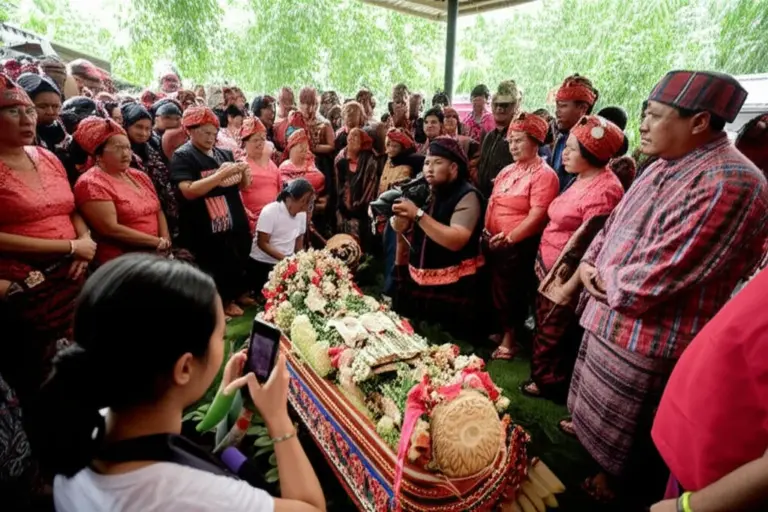
The Toraja people view their funeral rites as the most important event in a person’s life. The Rambu Solo’ ceremony is a massive social gathering, a multi-day spectacle of ritual, dance, and sacrifice, designed to send the deceased’s soul, or To Makula (the ‘sick’ one), on its journey to the afterlife, known as Puya. Until this ceremony is complete, the deceased is not officially considered dead but merely ‘sleeping’ or ‘sick’ and is kept within the family home, often for months or even years.
Essential Toraja Funeral Etiquette for Visitors
The most critical piece of advice for any tourist attending a Rambu Solo is to approach the event with humility and respect. While tourists are generally welcome, it is a deeply personal and sacred family event, not a performance staged for visitors.
The Golden Rule: Hire a Local Guide
A local guide is indispensable. They will manage your introduction to the family, explain the complex rituals as they unfold, advise you on the appropriate moments to move or stay put, and handle the presentation of your gift. They act as a vital cultural bridge, ensuring you do not inadvertently cause offense.
General Behavior and Respect
- **Seating:** You will likely be directed to a specific seating area, often a temporary bamboo structure (Lakkian or Tongkonan). Remain in this area unless invited to move.
- **Observe, Don’t Disrupt:** Keep your distance from the main ceremonial areas and the family. Avoid loud conversations or disruptive behavior.
- **The Atmosphere:** Although it is a funeral, the atmosphere can often feel celebratory, especially during the procession and the welcoming of guests, reflecting the joyous transition of the soul. Follow the lead of your guide and the locals.
Dress Code: Respect Through Appearance
While the family members and local guests typically wear black or dark clothing, tourists are generally given some leniency. However, dressing respectfully is non-negotiable. The goal is modesty and blending in.
| Category | Recommendation | Notes |
|---|---|---|
| **Color** | Dark or neutral colors (black, navy, dark gray). | Avoid bright colors like red, yellow, or white, which can be seen as inappropriate for a solemn occasion. |
| **Attire** | Long trousers or long skirts/dresses. Shirts with sleeves. | Ensure shoulders, chest, and knees are covered. Modesty is paramount in all Indonesian cultural settings. |
| **Footwear** | Comfortable, closed-toe shoes. | You will be walking on uneven ground, and potentially witnessing animal sacrifice rituals. |
The Protocol of Gift-Giving (Mangrara Tedong)
As a guest, it is customary to bring a gift (silempang) for the family. This is not a fee for entry, but a traditional sign of respect and solidarity. The local guide will facilitate the presentation of this gift, which is often recorded by the family.
The most common gifts for visitors include:
- **Cigarettes:** A carton or two of local cigarettes are a very common and practical gift.
- **Biscuits/Sugar:** Simple food items that can be shared among the many guests.
- **Money:** A cash gift, typically placed in an envelope, is widely accepted and helps the family offset the immense costs. An amount such as IDR 250,000 or more is a respectable offering for a foreign visitor.
While family and wealthy guests donate water buffalo (Tedong) and pigs (which are later sacrificed), tourists are not expected to do so. These animals are crucial for the ritual and symbolize the deceased’s status, serving as a vehicle for the soul to Puya. Do not be alarmed by the sight of the animals or the subsequent sacrifice; it is a fundamental part of the ritual.
Photography and Filming Guidelines
The Toraja funerals are highly visual, making photography tempting. However, exercising restraint and sensitivity is paramount to good Toraja funeral etiquette.
- **Always Ask Permission:** Never take a close-up photo of any person—especially family members, the deceased’s body, or ritual performers—without explicit permission. Your guide can ask on your behalf.
- **Be Discreet:** Use a zoom lens if necessary and avoid shoving a camera into a private moment. Treat the ceremony with the reverence you would your own family’s most important event.
- **The Sacrifice:** The sacrifice of buffalo and pigs can be graphic. If you choose to observe this part of the ritual, do so from a respectful distance and be mindful that not all locals are comfortable with tourists filming this moment.
Watch a brief insight into the Rambu Solo’ ceremony to better understand the scale and atmosphere of this unique cultural event.
By following these guidelines, you demonstrate respect for the Torajan way of life and ensure that your visit to this incredible part of Indonesia remains a positive and meaningful cultural exchange, honoring the sacred traditions of the Rambu Solo’.
คำถามที่พบบ่อย (FAQ)
Is it appropriate for tourists to attend a Toraja funeral?
Yes, tourists are generally welcome to attend the public parts of the Rambu Solo’ ceremony. The Torajan people are known for their hospitality and view the ceremony as a community event. However, attendance must be done respectfully, ideally with a local guide, and by bringing an appropriate gift for the family, as dictated by Toraja funeral etiquette.
What is the Rambu Solo’ ceremony?
Rambu Solo’ is the elaborate, multi-day funeral ceremony of the Toraja people. It is not just a period of mourning but a grand celebration intended to ensure the deceased’s soul is successfully transported to the afterlife (Puya). It involves ritual dance, music, the welcoming of hundreds of guests, and the sacrifice of buffalo and pigs.
What should I bring as a gift for the family?
The customary gift (silempang) for a tourist is a carton of cigarettes, a bag of biscuits, or a cash contribution in an envelope (e.g., IDR 250,000 or more). Your local guide will help you purchase and present this gift to the family upon arrival.
When is the best time to visit Tana Toraja to see a funeral?
Funerals are typically held during the dry season, which is generally between July and September, as this is when the rice harvest is complete and families have the necessary funds and resources. Planning your visit during this peak season increases your chances of witnessing a Rambu Solo’ ceremony.
References
Tana Toraja Funerals: How to Visit Ethically
Tana Toraja Funeral Ceremonies, Sulawesi, Indonesia
The Living Dead: Understanding the Culture of Tana Toraja
- Toraja Funeral Rites Explained: Customs, Calendar, and Visitor Guidelines for Respectful Travel
- What are the historical and cultural meanings behind Toraja funeral rites and why they matter to visitors
- How does the Toraja funeral calendar work — stages, timing, and how locals plan elaborate ceremonies