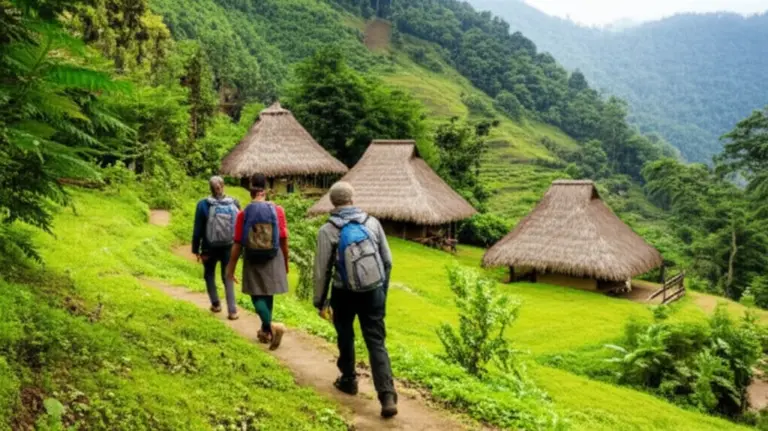
What is “zero-trace” trekking and why it matters in Baliem Valley — principles, local culture respect, and environmental impact
- What is “zero-trace” trekking and why it matters in Baliem Valley — principles, local culture respect, and environmental impact
Indonesia’s vast archipelago holds pockets of raw, unparalleled beauty, and few places exemplify this more than the Baliem Valley in Papua. For adventure seekers, trekking through the highlands offers a profound connection to ancient cultures and pristine nature. However, such unique environments demand a heightened sense of responsibility. This is where zero-trace trekking in Baliem Valley becomes paramount—it is not just a set of rules, but an ethical framework ensuring that this extraordinary destination remains untouched for future generations and respects the indigenous communities who call it home. Understanding and applying zero-trace principles is crucial for anyone engaging with Indonesia Tourism focused on ethical travel.
Defining Zero-Trace Trekking and the Baliem Context
Zero-trace trekking takes the established ‘Leave No Trace’ (LNT) philosophy and adds a critical cultural layer essential for destinations like Baliem. The Baliem Valley, home to the Dani, Lani, and Yali peoples, is not just a landscape; it is a living cultural heritage site where traditions are deeply intertwined with the land. A zero-trace commitment means minimizing physical impact while maximizing positive cultural and economic engagement.
The Core Principles of Zero-Trace Trekking
- Plan Ahead and Prepare: Research local customs, secure necessary permits, and use local guides who know the sensitive areas. Proper preparation reduces the chance of accidental damage.
- Travel and Camp on Durable Surfaces: Stick to established trails. In the Baliem Valley, many trails are ancient paths; widening them or creating new shortcuts damages vegetation and causes erosion.
- Dispose of Waste Properly (Pack It In, Pack It Out): This is non-negotiable. Everything brought into the valley, including food scraps, packaging, and hygiene products, must be carried out.
- Leave What You Find: Do not disturb historical or cultural artifacts, rocks, plants, or natural features. Respect the ancient stone tools and burial sites that may be encountered.
- Minimize Campfire Impacts: Due to the potential for deforestation and scarring, use lightweight stoves for cooking. If a fire is absolutely necessary (often for cultural exchange or warmth), use existing fire rings and keep it small.
- Respect Wildlife: Observe animals from a distance. Do not feed local fauna, as this disrupts their natural behavior and diet.
- Be Considerate of Other Visitors and Locals: Yield to others on the trail. Maintain a low volume and always prioritize the needs and comfort of the local community.
Respecting the Cultures of the Baliem Valley: The Ethical Dimension
The most distinguishing element of zero-trace trekking in Baliem Valley is the emphasis on cultural respect. The Dani and Lani peoples have preserved their traditions for millennia. As visitors, our presence should enrich, not erode, their way of life.
Understanding the Dani and Lani Peoples
Engaging responsibly means understanding local social structures and customs. Use local guides and porters, ensuring they are paid fair wages directly. When entering a village (honai), wait for an invitation and dress modestly, especially when visiting areas of spiritual significance. Purchasing local handicrafts directly supports the community and provides a sustainable income source.
Photography and Interaction Etiquette
Photography requires extreme sensitivity. Never take photos of people, particularly children, without explicit permission. In many villages, a small fee is expected when photographing cultural events or individuals. This transaction should be treated as a respectful exchange, not a transaction for a commodity. Your guide should mediate these interactions to ensure comfort and clarity for both parties.
Why Zero-Trace Matters: Environmental Impact in Papua
The high-altitude ecosystems of the Baliem Valley are remarkably fragile. High rainfall, steep slopes, and unique biodiversity mean that environmental damage can be long-lasting and severe. Uncontrolled tourism poses significant risks, including pollution, habitat destruction, and the introduction of non-native species.
The area’s unique flora and fauna, including endemic orchid species and birdlife, are highly sensitive to human disturbance. Zero-trace practices ensure that waste, especially plastics and chemicals, does not contaminate the delicate river systems that feed the valley floor.
Sustaining Local Economies
When trekking is conducted sustainably, tourism becomes a vital source of income that incentivizes local communities to protect their natural and cultural assets. By choosing locally owned homestays and hiring guides from the villages you pass through, you directly contribute to the economic well-being of the hosts, ensuring tourism benefits the people who safeguard the valley.
Practical Tips for Trekkers in Baliem Valley
To ensure your journey leaves the smallest possible footprint, follow these practical guidelines:
| Action | Zero-Trace Requirement |
|---|---|
| Water | Use purification tablets or filters instead of relying on bottled water to reduce plastic waste. |
| Toileting | Dig catholes 6-8 inches deep, 200 feet away from water, trails, and camps. Pack out all toilet paper. |
| Accommodation | Prioritize staying in traditional honai or locally managed guesthouses over large, external hotels. |
| Souvenirs | Only buy authentic, locally produced crafts. Avoid purchasing items made from protected wildlife or historical artifacts. |
The commitment to zero-trace trekking in Baliem Valley is a commitment to respectful adventure. By adopting these principles, Indonesia Tourism visitors can experience the profound magic of Papua while ensuring its longevity.
คำถามที่พบบ่อย (FAQ)
References
- Zero-Trace Trekking in Papua’s Baliem Valley: Permits, Porters, and Pack-In Rules for Responsible Adventurers
- How to obtain permits and legal requirements for trekking in Baliem Valley — authorities, paperwork, timelines, and costs
- Hiring porters and guides ethically — local regulations, fair wages, porter permits, and safety standards