Wildlife Spotting and Trekking Tips: Where to See Orangutans, Proboscis Monkeys, Hornbills, and Peat-Swamp Species — Responsible Wildlife Viewing Practices
- Wildlife Spotting and Trekking Tips: Where to See Orangutans, Proboscis Monkeys, Hornbills, and Peat-Swamp Species — Responsible Wildlife Viewing Practices
Indonesia, an archipelago teeming with unparalleled biodiversity, offers some of the most profound wildlife encounters on Earth. For the seasoned traveler or the passionate novice, mastering Wildlife Spotting and Trekking Tips is essential to maximizing your experience while preserving these delicate natural habitats. This guide focuses on the iconic species of Borneo and Sumatra—Orangutans, the comical Proboscis Monkeys, majestic Hornbills, and the unique creatures inhabiting vital peat-swamp ecosystems. Our goal is to equip you with the expertise needed for ethical, successful wildlife observation.
The Icons of Indonesian Wildlife: Where to Find Them
The hunt for Indonesia’s flagship species requires knowledge of their specific habitats. Success hinges on choosing the right location and timing, often involving multi-day river treks deep into protected reserves.
Orangutans: The Gentle Apes of Borneo and Sumatra
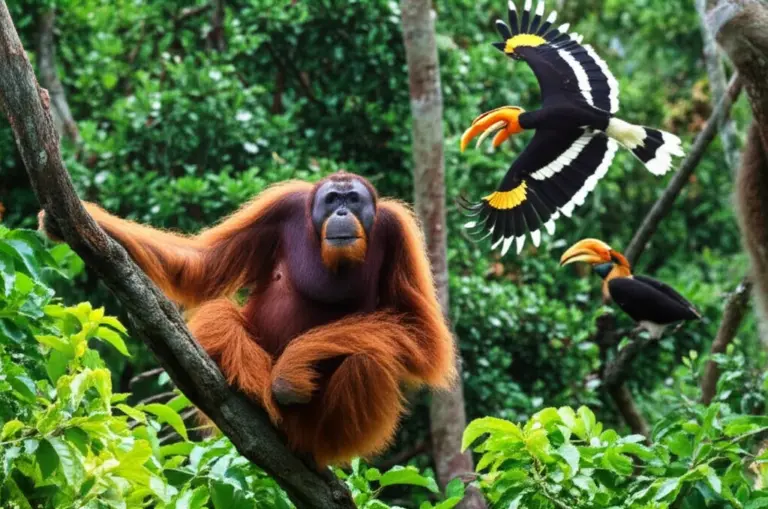
Known locally as the ‘person of the forest,’ seeing an Orangutan in the wild is a transformative experience. These critically endangered great apes are primarily found in two regions: Borneo (Kalimantan) and Sumatra.
- Tanjung Puting National Park (Central Kalimantan, Borneo): Accessible via the Sekonyer River on traditional klotok boats, this park is famous for its rehabilitation centers, offering reliable viewing opportunities of wild and semi-wild orangutans feeding at designated platforms.
- Gunung Leuser National Park (North Sumatra): This area offers a more rugged, deeper jungle experience. Spotting here is less guaranteed but offers insight into their true wild behavior.
The Unique Proboscis Monkey (Nasalis larvatus)
Easily recognizable by the male’s enormous nose, the Proboscis Monkey is endemic to Borneo and thrives in mangrove and lowland riverine forests. They are excellent swimmers and often spotted near water sources.
Prime Viewing Spots: Look towards the Kinabatangan River (Malaysian Borneo) or the Klias Wetland River Cruises (Sabah). Dusk and dawn are peak activity times when they come to the water’s edge to feed on leaves and fruit.
Feathered Wonders: Hornbill Spotting
Indonesia is home to over 50 species of Hornbills, majestic birds characterized by their large, often colorful casques. Spotting them requires quiet observation in the high canopy, particularly near fruiting trees.
Key Species & Locations: The Rhinoceros Hornbill and Helmeted Hornbill are highly sought after. Locations like the rainforests surrounding Bukit Lawang (Sumatra) or deep in Kalimantan offer the best chances. Look for their distinctive heavy flight pattern overhead.
Exploring the Peat-Swamp Ecosystem
Peat swamps, often threatened by deforestation and fire, are unique, specialized habitats. While challenging to navigate, they harbor endemic species adapted to acidic, waterlogged soil.
Trekking here often involves specialized boardwalks or shallow boat transport. Species found here might include specific types of kingfishers, specialized reptiles, and unique amphibian life that rely on the slow decomposition of peat matter. Ethical guides are paramount here, as the ground structure is extremely fragile.
Essential Wildlife Spotting and Trekking Tips
Effective wildlife viewing is a blend of preparation and respect. Applying these Wildlife Spotting and Trekking Tips will significantly enhance your chances of rewarding encounters.
Choosing the Right Season and Guide
The dry season (generally May to September) often makes trekking paths more accessible, though it can concentrate animals near remaining water sources. Always hire licensed, local guides. They possess the critical experience and knowledge of animal behavior, tracking, and safety protocols that no guidebook can replace. A good guide ensures you are observing ethically and safely.
Essential Gear Checklist
- Optics: High-quality binoculars (8×42 or 10×42 recommended) are non-negotiable for canopy viewing.
- Clothing: Lightweight, quick-drying, muted colors (greens, browns). Long sleeves and trousers protect against sun and insects.
- Protection: Strong insect repellent (DEET recommended for jungle areas), wide-brimmed hat, and high-SPF, reef-safe sunscreen.
- Footwear: Waterproof, broken-in hiking boots capable of handling mud and slippery roots.
The Cornerstone of Ecotourism: Responsible Viewing Practices
As visitors to these incredible environments, we carry the responsibility for their protection. E-E-A-T in travel means demonstrating authoritative knowledge of ethical standards. Responsible tourism directly supports conservation efforts and local communities.
Minimizing Your Footprint
Adhere strictly to ‘Leave No Trace’ principles. This means packing out absolutely everything you pack in, staying on marked trails (especially critical in peat swamps), and never feeding wildlife. Feeding habituates animals, making them dependent on humans and vulnerable to disease or poaching.
Ethical Interaction Guidelines
| Species | Ethical Distance | Behavior to Avoid |
|---|---|---|
| Orangutans | Minimum 10 meters | Mimicking calls or offering food. |
| Proboscis Monkeys | Maintain distance from riverbanks | Approaching while they are feeding or grooming. |
| Hornbills | Use high-powered zoom/telephoto lens | Making sudden movements or loud noises near nests. |
Supporting certified eco-lodges and local guides who reinvest profits into community development and conservation is the most tangible way to ensure these species thrive for future generations of tourists.
คำถามที่พบบ่อย (FAQ)
Here are answers to common queries regarding wildlife trekking in Indonesian Borneo and Sumatra.
What is the safest time of year for wildlife trekking in Kalimantan?
The dry season, typically spanning May through September, generally offers better trail conditions for trekking, though wildlife viewing is often excellent year-round, depending on river levels and fruit availability.
Can I see both Orangutans and Proboscis Monkeys on the same trip?
Yes, absolutely. Tanjung Puting National Park in Central Kalimantan is renowned as one of the few places where you have a high probability of spotting both these iconic species during river expeditions.
What is the main threat to peat-swamp species in Indonesia?
The primary threat is habitat destruction due to drainage for palm oil plantations and illegal logging, which increases the risk of massive, catastrophic peat fires that destroy entire ecosystems.
Is flash photography allowed when viewing wildlife?
Generally, no. Flashes can startle or stress animals, especially primates and nocturnal species. Always check with your guide, but standard practice dictates avoiding flash photography entirely to adhere to responsible viewing guidelines.
How long does it take to see a wild Orangutan?
While rehabilitation centers offer higher guarantees, seeing a truly wild Orangutan requires patience. In remote areas like Gunung Leuser, it might take several days of dedicated trekking, whereas in Tanjung Puting, sightings are often possible within the first day or two.
References
WWF Indonesia Conservation Efforts
IUCN Borneo Biodiversity Status
UNEP on Peatland Ecosystem Importance
- Tanjung Puting & Bukit Duabelas: The Ultimate Guide to Wildlife Spotting, Orangutan Trekking, and Jungle Expeditions in Central Kalimantan
- Why Tanjung Puting and Bukit Duabelas Are Unmissable: Wildlife, Ecosystems, and Best Times to Visit
- How to Plan Your Trip: Permits, Transportation (Kumai, Riverboats), Accommodation (Klotok vs. Forest Camps), and Suggested Itineraries