Why Choose Sumatra for Trekking and What to Expect from Its Ecosystems and Wildlife
Sumatra, the sixth-largest island in the world, offers an experience fundamentally different from other Indonesian destinations. It is a land defined by dramatic volcanic landscapes, ancient rainforests, and critically endangered megafauna. For the serious trekker, Sumatra promises not just physical challenge, but profound ecological immersion. This guide delves into the core reasons to select Sumatra and what specific natural wonders await your exploration.
The Unmatched Appeal: Why Choose Sumatra for Trekking
The primary draw of Sumatra lies in its exclusivity and biodiversity. While Java offers accessible volcanoes and Bali provides cultural immersion, Sumatra delivers an unfiltered encounter with nature on a grand scale. It is home to the largest tracts of primary rainforest remaining in the archipelago, making it a prime destination for those prioritizing wildlife sightings over infrastructure.
Biodiversity Hotspot: The Realm of the Orangutan
The most compelling reason travelers decide why choose Sumatra for trekking is the opportunity to see the Sumatran Orangutan (*Pongo abelii*) in its natural habitat. Unlike Borneo, where encounters are often managed, Sumatra’s Mount Leuser National Park offers treks where genuine, wild encounters are possible, though never guaranteed. Leuser is a UNESCO World Heritage Site and the largest protected area in Sumatra, safeguarding not only orangutans but also Sumatran tigers, elephants, and rhinos.
Trekking here is an exercise in patience and respect. Guides are highly trained in tracking and minimizing human impact, ensuring that wildlife viewing adheres to strict ethical guidelines. This commitment to conservation elevates the experience from mere tourism to genuine ecological participation.
Volcanic Majesty: Trekking Among Sumatra’s Peaks
Sumatra sits on the Pacific Ring of Fire, resulting in a dramatic spine of active and dormant volcanoes running down its western edge. While Mount Rinjani (on Lombok) often steals the spotlight, Sumatra boasts equally formidable challenges. Mount Kerinci, the highest peak in Indonesia outside of Java, offers a strenuous but profoundly rewarding climb through dense jungle and into high-altitude montane forests, often rewarding climbers with views of steaming craters.
These volcanic treks provide a stark contrast to the jungle hikes, demanding higher fitness levels but offering unique geological perspectives. For those prioritizing accessibility combined with stunning scenery, trekking around the vast caldera of Lake Toba provides accessible trails with breathtaking overlooks.
Ethical Encounters: Responsible Wildlife Tourism
In the context of global conservation concerns, travelers are increasingly looking for destinations that prioritize ethical interactions. Sumatra, particularly through its well-regulated national parks, excels here. Reputable local operators ensure that tourism revenue directly supports anti-poaching efforts and local community development. This focus on sustainability is a major factor in deciding why choose Sumatra for trekking for eco-conscious adventurers.
The island’s geography dictates a rich tapestry of ecosystems. Trekking in Sumatra means moving between several distinct biomes, each presenting unique challenges and photographic opportunities. Effective preparation requires understanding these environments.
Dense Tropical Rainforests
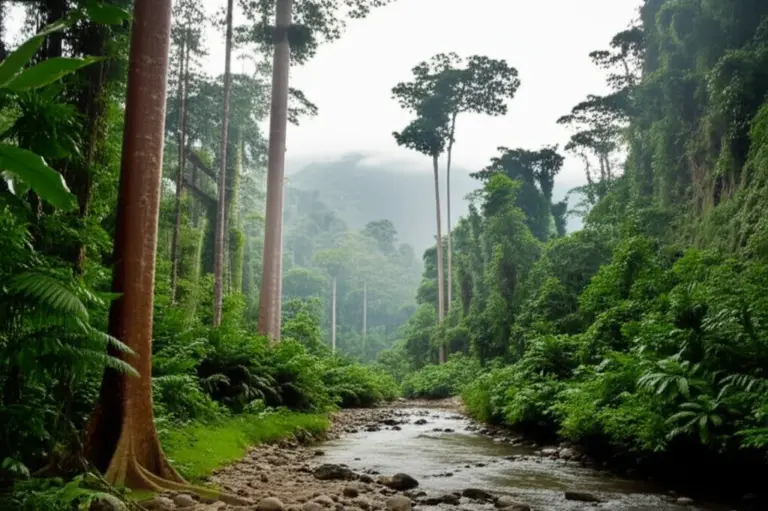
The lowland and mid-montane rainforests, especially within Leuser, are characterized by high humidity, thick canopy cover, and incredible biodiversity. Expect muddy trails, constant insect presence, and the constant chorus of gibbons and hornbills. This is where you will spend the majority of your time searching for primates. Good waterproof gear is non-negotiable here.
High-Altitude Cloud Forests
As you ascend volcanoes like Kerinci, the environment shifts dramatically. Cloud forests are perpetually shrouded in mist, featuring moss-covered trees, stunted growth, and unique epiphytic plant life. The air becomes cooler, and the terrain often rougher, demanding careful footing. This transition zone is crucial for spotting high-altitude bird species.
The Lake Toba Caldera Experience
The area surrounding Lake Toba, the largest volcanic lake in the world, offers a more cultural trekking experience intertwined with natural beauty. Trails often pass through Batak villages, tea plantations, and open viewpoints overlooking the vast, deep blue water. This provides a necessary break from the deep jungle intensity, offering cultural context to the region.
Witness Sumatra’s Wildlife in Action
A glimpse into the incredible biodiversity awaiting you in the Sumatran jungle.
What to Expect: Practical Trekking Realities
While the rewards are immense, Sumatran trekking is not for the faint of heart. It demands comprehensive planning, especially regarding health and logistics.
Climate and Best Seasons
Sumatra is equatorial, meaning high heat and high humidity are constant companions. The best time to visit is generally during the dry season, from June to September. However, even in the dry season, expect daily downpours, particularly in the rainforests. Off-season trekking is possible but requires superior rain gear and tolerance for extremely slippery conditions.
Essential Gear and Preparation
Preparation is key to enjoying the experience. Here is what you must prioritize:
-
Water Purification
Essential -
High-Quality Insect Repellent (DEET recommended)
Crucial -
Lightweight, Quick-Drying Clothing
For humidity -
Sturdy, Broken-In Hiking Boots
For mud/slopes
Furthermore, securing a licensed local guide is mandatory for most national park treks. They are your lifeline for navigation, safety, and interpreting the complex ecosystem around you. Never attempt deep jungle trekking without professional guidance.
Conclusion: Answering the Call of the Wild
If your definition of adventure involves stepping into one of the planet’s most vital and endangered natural theaters, then the question of why choose Sumatra for trekking is easily answered. It offers a rugged, authentic Indonesian experience, rich with the possibility of profound wildlife encounters and the satisfaction of conquering challenging, pristine terrain. Sumatra is not just a destination; it is an expedition into the heart of biodiversity.
คำถามที่พบบ่อย (FAQ)
References
- UNESCO World Heritage Centre – Tropical Rainforest Heritage of Sumatra
- IUCN Indonesia Conservation Overview
- Trekking in Sumatra: The Best Trails and Conservation Tours for Eco-Conscious Adventurers
- Top Trails in Sumatra: Bukit Lawang, Kerinci Seblat, Gunung Leuser and Multi-Day Jungle Routes (difficulty, duration, best seasons)
- Conservation Tours and Responsible Trekking: How to Support Orangutan Rehabilitation, Local Communities and Anti-Poaching Efforts