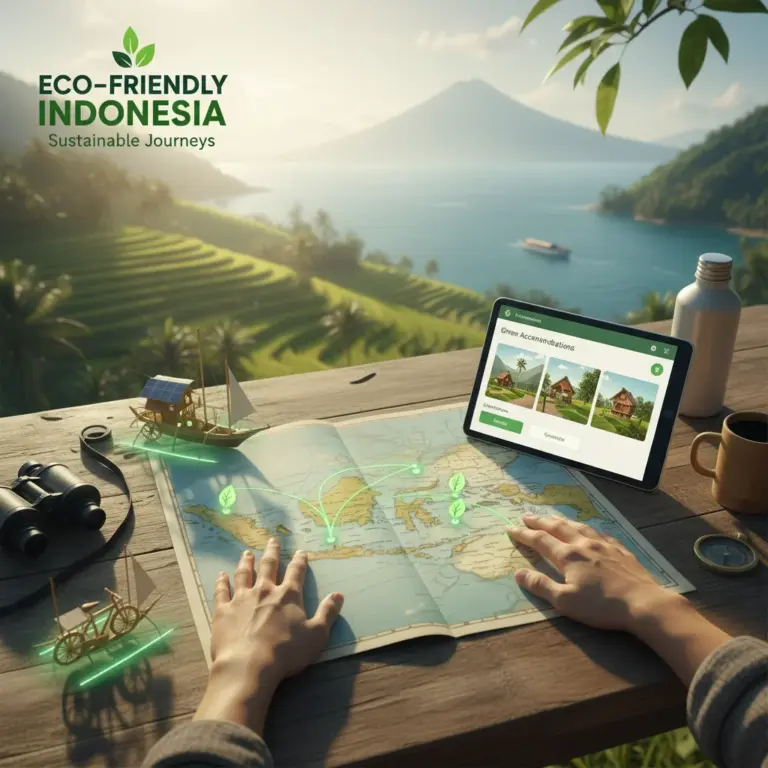
How to plan an eco-friendly trip: choosing destinations, transportation, and low-impact accommodations in Indonesia
- How to plan an eco-friendly trip: choosing destinations, transportation, and low-impact accommodations in Indonesia
- Choosing Sustainable Destinations in the Archipelago
- Low-Impact Transportation Strategies
- Choosing Low-Impact Accommodations
- Responsible Activity Selection and Waste Management
- Supporting Local Culture Sustainably
- คำถามที่พบบ่อย (FAQ)
- Is it possible to travel completely plastic-free in rural Indonesia?
- What is the most eco-friendly way to travel between Java and Bali?
- How can I verify if an Indonesian hotel is genuinely eco-friendly?
- Should I tip local tour guides when traveling sustainably?
Embarking on a journey through the Indonesian archipelago is a dream for many, but with over 17,000 islands, the environmental impact can be significant. Learning how to plan an eco-friendly trip in Indonesia is crucial for preserving its unparalleled biodiversity and cultural heritage for future generations. This guide provides expert insights into making your Indonesian adventure sustainable, from the moment you book your flight to the moment you check out of your bungalow.
Choosing Sustainable Destinations in the Archipelago
Sustainability starts with destination selection. While hotspots like Bali are popular, seeking out lesser-known regions can reduce strain on local infrastructure and ecosystems. Consider destinations actively investing in green tourism.
Lesser-Known Green Hubs
Focus your attention beyond the main tourist corridors:
- Raja Ampat, West Papua: While remote, many local operators focus heavily on marine conservation and community-based tourism.
- Flores & Komodo National Park: Choose registered, eco-certified tour operators who adhere strictly to park regulations regarding waste and wildlife interaction.
- Bukit Lawang, Sumatra: A prime location for ethical orangutan trekking, where responsible tourism directly funds rehabilitation and anti-poaching efforts.
Low-Impact Transportation Strategies
Transportation is often the largest contributor to a trip’s carbon footprint. When learning how to plan an eco-friendly trip in Indonesia, prioritize ground and sea travel over domestic flights whenever feasible.
Minimizing Air Travel
If you must fly, opt for direct routes to reduce takeoff and landing emissions. Furthermore, consider purchasing certified carbon offsets from reputable Indonesian climate projects, though reduction remains the priority.
Embracing Local Transit
For island hopping or regional travel, embrace slower, more immersive methods:
- Ferries and Public Boats: While slower, these are significantly greener than short-haul flights between islands like Java and Bali.
- Trains in Java: Indonesia’s train network is efficient, comfortable, and far more fuel-efficient per passenger than road travel.
- Scooters and Bicycles: In localized areas (like Ubud or Nusa Lembongan), renting bicycles or electric scooters reduces reliance on gas-guzzling private taxis.
Choosing Low-Impact Accommodations
Your stay matters. Look for accommodations that demonstrate a tangible commitment to sustainability, often labeled as ‘eco-lodges’ or ‘green hotels.’ True commitment goes beyond simply recycling bins.
Key Certification Signals
Verify their practices by looking for specific actions:
| Eco Practice | What to Look For |
|---|---|
| Water Management | Rainwater harvesting, greywater recycling, low-flow fixtures. |
| Energy Use | Solar power integration, reliance on natural ventilation, LED lighting. |
| Waste Reduction | No single-use plastics, composting programs, partnership with local recycling initiatives. |
| Local Sourcing | Using locally grown food and employing staff from the immediate community. |
For a truly immersive, low-impact experience, consider homestays (losmen) or community-based tourism projects, especially in rural areas. These options ensure your money directly supports local families and traditional economies.
Responsible Activity Selection and Waste Management
Even the most well-planned trip can falter without mindful daily choices. This section addresses the practicalities of reducing your footprint while enjoying Indonesia’s natural splendor.
Marine and Wildlife Ethics
When snorkeling or diving, avoid touching coral or marine life. Never purchase souvenirs made from shells, coral, or endangered species. For wildlife encounters, such as visiting elephant sanctuaries or primate parks, research their rehabilitation credentials rigorously. Ethical sanctuaries prioritize animal welfare over tourist interaction.
The Zero-Waste Traveler Kit
Indonesia faces significant plastic pollution challenges. To address this while you travel, prepare a kit:
- Reusable Water Bottle & Filter: Essential for avoiding plastic bottles. Many eco-lodges offer filtered water stations.
- Reusable Cutlery Set: Say no to plastic forks provided with street food (warungs).
- Tote Bag: For market purchases.
We must leave places cleaner than we found them. Carry a small bag specifically for your non-biodegradable trash until you find a proper recycling point, as infrastructure can be lacking outside major cities.
Supporting Local Culture Sustainably
True eco-travel respects the people as much as the planet. Understanding and supporting local economies is a cornerstone of sustainable tourism.
- Buy Authentic: Purchase crafts directly from artisans rather than large tourist shops.
- Learn Basic Bahasa Indonesia: A few words go a long way in building rapport and showing respect.
- Dress Respectfully: Especially when visiting temples or villages outside of major beach areas.
To give you a visual guide on making responsible choices while exploring the archipelago’s stunning nature, here is a helpful resource:
By integrating these practices, your journey through Indonesia transforms from a simple vacation into a meaningful contribution to conservation and community resilience. Mastering how to plan an eco-friendly trip in Indonesia ensures the Emerald of the Equator remains vibrant for decades to come.
คำถามที่พบบ่อย (FAQ)
It is challenging but achievable. Focus on carrying your own filtered water system and requesting staff at homestays to refill your bottle. For food, always carry your own reusable containers for takeaways and cutlery.
The most eco-friendly way is taking the train across Java to the easternmost point and utilizing a public or shared ferry across to Bali, rather than taking domestic flights.
Look for tangible evidence: solar panels, documented water treatment facilities, and a publicly stated policy against single-use plastics. Ask them directly about their waste management partners and local sourcing policies.
Yes, tipping is highly recommended, especially when using small, community-based operators. Tipping is a direct, appreciated form of financial support that recognizes their hard work in providing responsible tourism experiences.
References
These resources offer further reading on sustainable practices within the Indonesian tourism sector:
- Indonesia Tourism Board – Responsible Travel Guidelines
- WWF Conservation Efforts in Indonesia
- UNWTO Framework for Sustainable Tourism
- Sustainable Travel in Indonesia: Practical Tips to Minimize Your Environmental and Cultural Impact
- Why sustainable travel in Indonesia matters: understanding environmental, social, and economic impacts
- Responsible activities and wildlife interactions: best practices for beaches, forests, reefs, and cultural sites