Responsible activities and wildlife interactions: best practices for beaches, forests, reefs, and cultural sites
- Responsible activities and wildlife interactions: best practices for beaches, forests, reefs, and cultural sites
Indonesia, an archipelago of staggering biodiversity and deep cultural heritage, relies heavily on responsible tourism to sustain its natural wonders. As visitors, our commitment to Responsible activities and wildlife interactions is not just a suggestion—it is a necessity for preserving places like Komodo, Raja Ampat, and Borobudur for future generations. This guide provides expert best practices to ensure your journey leaves only positive footprints.
The Foundation of Ethical Exploration in Indonesia
Ethical exploration begins long before you pack your bags. It requires understanding the local context, respecting conservation laws, and prioritizing the well-being of the environment and communities over personal convenience. True expertise in travel means knowing when to observe and when to step back.
Leave No Trace Principles Applied Locally
The ‘Leave No Trace’ (LNT) philosophy is globally recognized, but its application in diverse Indonesian ecosystems requires specific attention. This means meticulous waste management, sticking to marked trails, and minimizing the impact of campfires (where permitted).
- Pack It In, Pack It Out: All non-biodegradable waste, including plastic bottles and wrappers, must be carried out.
- Stay on Trails: Especially in sensitive rainforests like those in Sumatra or Kalimantan, straying off paths can damage fragile undergrowth and disturb wildlife corridors.
- Use Reef-Safe Sunscreen: Chemicals in standard sunscreens bleach coral. Choose mineral-based, non-nano zinc oxide formulas before entering any marine area.
Best Practices for Wildlife Interactions Across Ecosystems
Indonesia is home to iconic species, from orangutans and tigers to manta rays and whale sharks. Ensuring Responsible activities and wildlife interactions means prioritizing the animal’s natural behavior over the perfect photo opportunity.
Marine Encounters: Reefs and Open Water
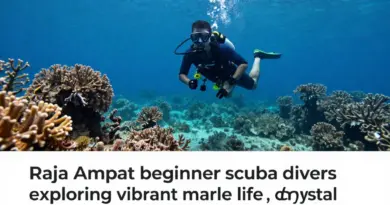
Marine environments, particularly the Coral Triangle, demand the highest level of care. Dive and snorkel operators must be certified and adhere to strict guidelines.
- Responsible Diving/Snorkeling: Master neutral buoyancy. Kicking up sand smothers corals, and touching them can transmit bacteria or damage their delicate structure.
- Whale Shark/Manta Ray Etiquette: If swimming with these giants, follow the guide’s instructions precisely. Never attempt to ride or grab them, as this stresses the animal and is illegal in many protected areas.
- No Collection: Taking shells, coral fragments, or sand is strictly prohibited and damages the ecosystem’s structural integrity.
Forest and Land Wildlife Observation
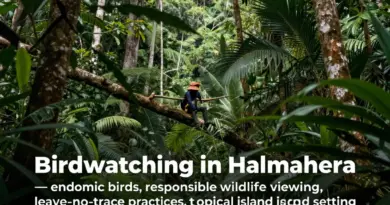
Observing primates, birds, or larger mammals requires patience and distance. Ethical wildlife viewing contributes to conservation by demonstrating the value of living animals over their parts.
| Activity | Best Practice | Risk Mitigation |
|---|---|---|
| Primate Viewing (e.g., Macaques) | Maintain distance; never hand-feed. | Prevents habituation and aggression toward humans. |
| Bird Watching | Use binoculars/lenses; avoid playback calls excessively. | Reduces stress on nesting or feeding birds. |
| Tracking Komodo Dragons | Always use certified, licensed local guides. | Ensures safety and prevents disturbance to the apex predator. |
Respecting Cultural Sites and Communities
Indonesia’s cultural sites, from ancient temples like Borobudur and Prambanan to sacred indigenous lands, require deference. Cultural respect is paramount to ethical tourism.
Temple Etiquette and Sacred Spaces
When visiting religious or historical monuments, dressing appropriately is a sign of respect. This applies to both UNESCO World Heritage Sites and local *pura* (temples).
For many Balinese temples, you must wear a sarong and a sash. Often, these can be rented or provided at the entrance. Furthermore, never point your feet directly at a statue or shrine, as the feet are considered the lowest and least respectful part of the body in many Indonesian traditions. Always ask permission before photographing local people, especially elders or those engaged in religious ceremonies.
Supporting Local Economies Responsibly
Economic responsibility means ensuring your money benefits the local population directly, not just large foreign operators. Choose locally owned homestays, eat at *warungs* (local eateries), and purchase authentic crafts directly from artisans. Be wary of souvenirs made from protected materials like coral, ivory, or endangered animal parts.
Expert Insights: Minimizing Your Ecological Footprint
As an expert traveler, you understand that sustainability extends beyond waste. It involves resource consumption too. Indonesia’s infrastructure can be strained by high-volume tourism, making personal conservation efforts vital.
To illustrate the importance of responsible marine tourism, here is a short guide on respecting the underwater world:
Conclusion: Becoming a Guardian of Indonesian Heritage
Embracing Responsible activities and wildlife interactions transforms a vacation into a meaningful contribution. By adhering to these best practices—respecting wildlife distances, honoring cultural norms, and minimizing waste—you become an essential partner in protecting Indonesia’s irreplaceable natural and cultural assets. Travel thoughtfully, and the wonders of the archipelago will thrive.
คำถามที่พบบ่อย (FAQ)
What is the single most important rule for wildlife viewing in Indonesia?
Do I need special clothing for visiting temples in Bali or Java?
Why must I use reef-safe sunscreen in areas like Raja Ampat or the Gili Islands?
What does ‘Leave No Trace’ mean for waste management in remote Indonesian areas?
References
UNESCO World Heritage Centre Official Site (For cultural site guidelines).
Marine Conservation Initiatives (For coral reef protection standards).
Leave No Trace Center for Outdoor Ethics (For foundational outdoor principles).
- Sustainable Travel in Indonesia: Practical Tips to Minimize Your Environmental and Cultural Impact
- Why sustainable travel in Indonesia matters: understanding environmental, social, and economic impacts
- How to plan an eco-friendly trip: choosing destinations, transportation, and low-impact accommodations in Indonesia