How keris are made today in Solo workshops: step-by-step craft process, materials, forge techniques, pamor patterns, and modern adaptations
The keris is far more than a mere weapon; it is a spiritual object, a symbol of Javanese heroism, and a masterpiece of metallurgical art recognized by UNESCO as a Masterpiece of the Oral and Intangible Heritage of Humanity. In the cultural heart of Central Java, specifically in Solo (Surakarta), the tradition of the keris remains vibrant. Understanding How keris are made today in Solo workshops offers a profound glimpse into a world where the mystical meets the material, and where ancient techniques are preserved through the hands of master craftsmen known as Empu.
The Besalen: The Sacred Forge of Solo
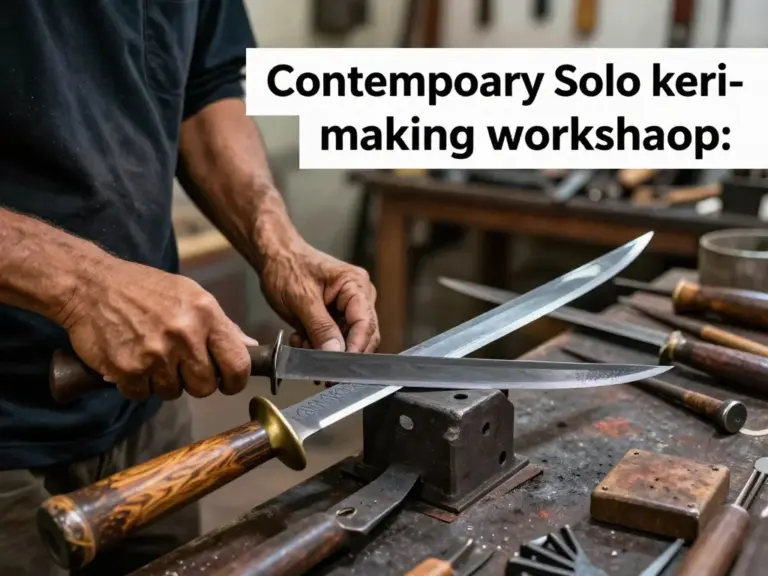
The workshop where a keris is born is called a besalen. Unlike a standard industrial forge, a besalen in Solo is a place of quiet concentration and ritual. Traditionally, the process of making a keris begins with spiritual preparation, including fasting and offerings (sesajen), to ensure the blade carries a positive ‘khodam’ or spirit. Today, while some workshops have adopted modern conveniences, the core architectural layout remains: a central hearth, a manual or electric blower, and a large anvil where the Empu and his assistants (panjak) work in rhythmic harmony.
Materials: The Alchemy of Iron and Sky
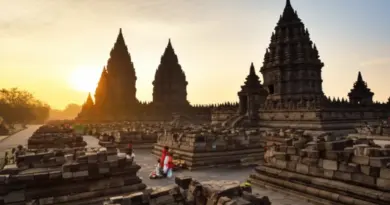
The distinct look of a Solo keris comes from the specific combination of metals used. The primary materials include iron, steel, and nickel. Historically, the most prized keris included meteoric iron—literally metal from the stars—which was found near the Prambanan temple in the 18th century. Today, modern Empu in Solo typically use a combination of high-quality industrial steel for the core (strength) and nickel-rich iron for the decorative patterns (pamor).
| Material | Purpose | Visual Effect |
|---|---|---|
| Steel (Baja) | Structural Core | Provides sharpness and durability |
| Iron (Besi) | Blade Body | The canvas for the patterns |
| Nickel/Meteoric Iron | Pamor Pattern | Silvery contrast against the dark iron |
Step-by-Step: How Keris Are Made Today in Solo Workshops
The forging process is an exhaustive labor of love that can take weeks or even months for a single blade. Here is the typical sequence followed by craftsmen in Solo:
- Preparation of the ‘Slongsong’: The Empu sandwiches a steel plate between two layers of iron and nickel. This ‘sandwich’ is the starting point for the blade.
- Heating and Folding (Lipat): The metal is heated in the charcoal fire until it glows orange-white. It is then hammered out and folded. This process is repeated dozens or even hundreds of times. Each fold doubles the layers, creating the intricate ‘damascene’ effect.
- Shaping the ‘Gonjo’: The gonjo is the separate guard piece at the base of the blade. It must be forged with the same care to ensure a perfect fit with the main blade (wilayah).
- Creating the ‘Luk’ (Waves): If the keris is to be wavy, the Empu carefully heats sections of the blade and bends them over the anvil to create an odd number of waves (3, 5, 7, up to 13).
- Filing and Carving: Once the rough shape is forged, the blade is filed and carved with fine chisels to create the dhapur (the specific anatomical form of the keris).
- Hardening (Sepuh): The blade is heated one last time and quenched in oil or water to lock in the hardness of the steel core.
Understanding Pamor Patterns
The pamor is the visible pattern on the surface of the blade, created by the layers of nickel contrasting with the iron. In Solo, certain pamor patterns are highly sought after by collectors and spiritualists alike. Common patterns include Beras Wutah (Scattered Rice), symbolizing prosperity, and Udan Liris (Light Rain), symbolizing protection. The pattern is revealed through a process called warangan, where the blade is etched in a solution of arsenic and lime juice, darkening the iron while leaving the nickel bright and silvery.
Modern Adaptations and Tourism
While the spiritual essence remains, Solo’s workshops have adapted to the 21st century. Many Empu now use electric grinders for initial shaping to save time, and social media has become a vital tool for reaching international collectors. For tourists visiting Solo, workshops in areas like Palur or near the Keraton (Palace) offer demonstrations. These modern adaptations ensure that the craft remains economically viable without losing its cultural soul. Visitors can witness the rhythmic clanging of hammers, a sound that has echoed through Solo for centuries.
คำถามที่พบบ่อย (FAQ)
Q: Can tourists buy an authentic keris in Solo?
A: Yes, many workshops sell both ‘souvenir’ quality keris and high-end ‘pusaka’ (heirloom) blades. It is recommended to buy directly from a reputable besalen or the Triwindu Antique Market.
Q: How long does it take to make a single keris?
A: A high-quality keris usually takes a minimum of one month to complete, though complex blades with hundreds of layers can take several months.
Q: Why is the number of waves (luk) always odd?
A: In Javanese philosophy, odd numbers represent imperfection and the ongoing process of life and growth, as only the Divine is considered perfect.
Q: Is it safe to bring a keris back to my home country?
A: Most countries allow the import of keris as cultural artifacts, but you should check your local customs regulations regarding ‘edged weapons’ and ensure the blade is properly packed in checked luggage.
References
- UNESCO: Indonesian Kris Heritage
- Official Indonesia Tourism – Solo Guide
- Britannica: History of the Kris
- Javanese Keris Makers in Solo Workshops Museum and Meanings
- What searchers want to know about who makes Javanese keris in Solo: profiles of traditional makers, workshop locations, and how to visit them (workshops, tour tips, opening hours)
- Historical and cultural significance of the keris in Solo: origins, meanings of motifs and symbolism, and how museums present keris heritage