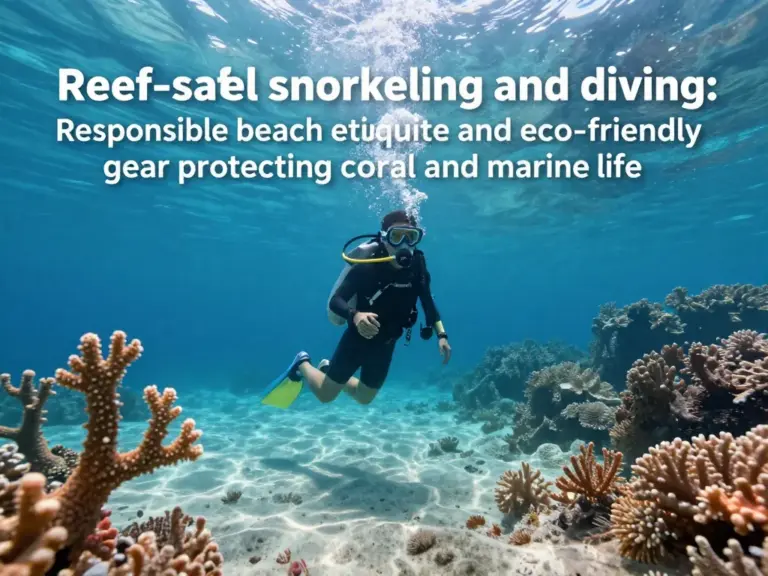
Practical Reef-Safe Activities and Practices — Snorkeling, Diving, Beach Etiquette, and Gear Choices That Protect Coral and Marine Life
- Practical Reef-Safe Activities and Practices — Snorkeling, Diving, Beach Etiquette, and Gear Choices That Protect Coral and Marine Life
Indonesia is home to the heart of the Coral Triangle, boasting some of the most biodiverse marine ecosystems on the planet. From the crystal-clear waters of Raja Ampat to the volcanic shores of Bali, the underwater world is a primary draw for millions of tourists. However, these fragile ecosystems face increasing pressure from human activity. Engaging in reef-safe activities is no longer just an option; it is a necessity for anyone wishing to preserve the natural beauty of Indonesia for future generations.
Understanding the Importance of Reef-Safe Activities
Coral reefs are often called the ‘rainforests of the sea.’ They provide habitat for thousands of species, protect coastlines from erosion, and support local economies through tourism and fishing. Unfortunately, physical damage from anchors, chemical pollution from sunscreens, and improper waste disposal are leading to significant reef degradation. By adopting reef-safe activities, travelers can minimize their ecological footprint while still enjoying the breathtaking scenery Indonesia has to offer.
Eco-Friendly Snorkeling and Diving Practices
When exploring the underwater world, your behavior determines the health of the reef. Many tourists unknowingly cause damage by touching or stepping on coral. Here are the essential rules for reef-safe snorkeling and diving:
- Master Your Buoyancy: For divers, poor buoyancy control is a leading cause of accidental coral breakage. Practice in sandy areas before approaching the reef.
- Look, Don’t Touch: Coral is a living animal. Touching it can transfer oils and bacteria, or even cause physical trauma that leads to bleaching.
- No Feeding the Fish: Feeding marine life disrupts the natural food chain and can make fish aggressive or dependent on human intervention.
- Keep Your Distance: Maintain at least a two-meter distance from the reef to avoid accidental contact with your fins.
Choosing Reef-Safe Gear and Sunscreen
Your choice of gear plays a significant role in marine conservation. One of the most critical factors is your choice of sun protection. Traditional sunscreens often contain Oxybenzone and Octinoxate, chemicals known to cause coral bleaching even in low concentrations.
| Gear Type | Reef-Safe Choice | Impact |
|---|---|---|
| Sunscreen | Mineral-based (Zinc Oxide/Titanium Dioxide) | Non-toxic to coral larvae |
| Fins | Short or flexible fins | Reduces risk of breaking coral |
| Wetsuits | Rash guards or full-body suits | Reduces the need for sunscreen chemicals |
In Indonesia, many local shops in Gili Islands and Nusa Penida now stock biodegradable and mineral-based sunscreens. Opting for a long-sleeved rash guard is even better, as it provides 100% UV protection without releasing any substances into the water.
Beach Etiquette and Waste Management
Reef safety starts on the shore. Plastic pollution is a major threat to Indonesian waters. Marine animals often mistake plastic bags for jellyfish, leading to ingestion and death.
- Carry Out What You Carry In: Never leave trash on the beach. If you see plastic waste, consider doing a ‘three-minute beach clean’ to help out.
- Avoid Single-Use Plastics: Bring a reusable water bottle. Many hotels in Indonesia offer free water refills to discourage the use of plastic bottles.
- Stay on Designated Paths: Walking over coastal vegetation can cause erosion, which leads to sedimentation that smothers nearby reefs.
Supporting Sustainable Tourism Operators
When booking your tours, look for operators that prioritize the environment. Ask if they use mooring buoys instead of anchors, if they provide reef-safe sunscreen, and if they have a ‘no-touch’ policy. Supporting businesses that invest in conservation ensures that your tourism dollars are helping, not hurting, the local ecosystem.
คำถามที่พบบ่อย (FAQ)
What does ‘reef-safe’ actually mean?
Reef-safe refers to products and behaviors that do not harm coral reef ecosystems. This includes using mineral-based sunscreens and avoiding physical contact with marine life.
Is mineral sunscreen as effective as regular sunscreen?
Yes, mineral sunscreens containing Zinc Oxide or Titanium Dioxide provide excellent broad-spectrum UV protection by sitting on top of the skin and reflecting rays, rather than being absorbed.
Can I take shells or dead coral home as a souvenir?
No. In Indonesia and many other countries, it is illegal to remove shells, sand, or coral from protected areas. These items provide essential nutrients and habitats for other marine organisms.
Why is touching coral so bad?
Corals are tiny animals with a thin layer of living tissue. Touching them can cause stress, transmit diseases, and break off pieces that took decades to grow.
How can I find eco-friendly dive shops in Indonesia?
Look for certifications like ‘Green Fins’ or ‘PADI Eco Center.’ These operators follow strict environmental standards to minimize their impact on the ocean.
References
- International Coral Reef Initiative (ICRI)
- Green Fins – Sustainable Diving Standards
- Wonderful Indonesia Official Tourism Portal
- Low-Impact Island Hopping Reef-Safe Ways to Explore the Gili Islands: Sustainable Tips for Responsible Travelers
- Why Low-Impact Travel Matters for the Gili Islands — Understanding Reef Fragility, Local Communities, and Long-Term Tourism Impacts
- How to Plan a Reef-Safe Gili Islands Itinerary — Best Times to Visit, Eco-Friendly Transport Options, and Choosing Responsible Operators