How to Identify Responsible Guides and Tours: Certifications, Animal Welfare Practices, and Community-Based Partnerships
- How to Identify Responsible Guides and Tours: Certifications, Animal Welfare Practices, and Community-Based Partnerships
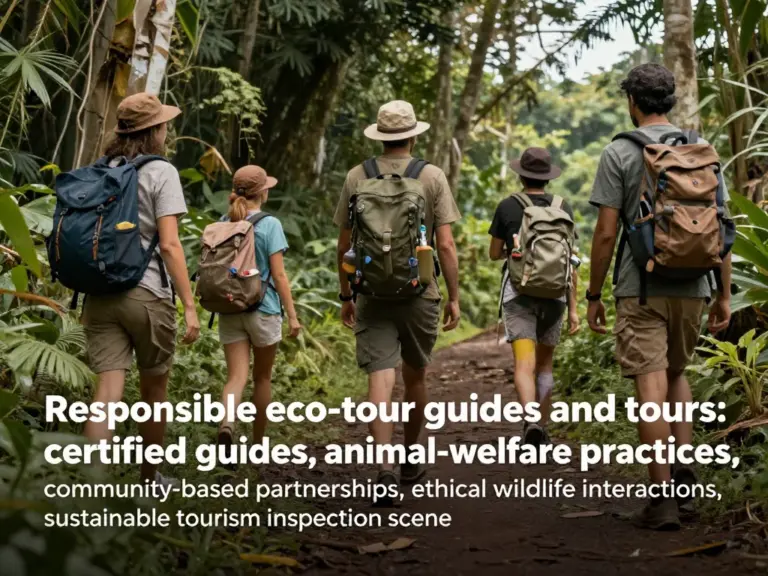
Exploring the lush landscapes of Indonesia, from the volcanic peaks of Java to the turquoise waters of Raja Ampat, is a dream for many travelers. However, as tourism grows, the need for responsible guides and tours becomes paramount to ensure the preservation of Indonesia’s unique cultural heritage and biodiversity. Identifying ethical operators requires more than just looking at a glossy brochure; it involves scrutinizing certifications, understanding animal welfare standards, and valuing community-based partnerships.
Understanding Certifications and Accreditations
One of the most reliable ways to identify responsible guides and tours is through official certifications. In Indonesia, the Ministry of Tourism and Creative Economy (Kemenparekraf) issues the CHSE (Cleanliness, Health, Safety, and Environmental Sustainability) certification. While initially a response to the pandemic, it has evolved into a baseline for operational quality. Beyond local labels, look for international badges such as Travelife for Tour Operators or EarthCheck. These organizations audit companies on energy use, waste management, and fair labor practices, ensuring that your travel dollars support ethical businesses.
Evaluating Animal Welfare Practices in Indonesia
Indonesia is home to iconic wildlife, including orangutans, Komodo dragons, and marine turtles. Unfortunately, irresponsible tourism can lead to animal exploitation. To identify responsible guides and tours involving wildlife, apply the ‘No Touch, No Feed’ rule. Ethical operators will never offer activities like riding elephants, taking selfies with drugged tigers, or swimming with captive dolphins. Instead, they focus on observation from a distance and educational narratives that emphasize conservation.
| Activity | Responsible Practice | Red Flag |
|---|---|---|
| Wildlife Viewing | Silent observation from distance | Feeding or baiting animals |
| Marine Tours | Reef-safe sunscreen, no anchoring | Touching coral or chasing turtles |
| Sanctuaries | Rescue and rehabilitation focus | Performances or riding |
The Power of Community-Based Partnerships
True sustainability involves the people who live in the destination. Community-Based Tourism (CBT) ensures that the economic benefits of your visit stay within the local village. When searching for responsible guides and tours, ask if the guides are locals from the specific area you are visiting. Do they source their food from local farmers? Do they support local schools or health clinics? Partnerships with indigenous communities, such as those in the Baliem Valley or Wae Rebo, should be built on mutual respect and fair wages rather than ‘poverty tourism’ or cultural exploitation.
Practical Checklist for Ethical Travelers
Before booking your next Indonesian adventure, use this checklist to verify your operator:
- Does the website mention a sustainability policy?
- Are the guides licensed by HPI (Himpunan Pramuwisata Indonesia)?
- Do they provide reusable water bottles or discourage single-use plastics?
- Are reviews on platforms like TripAdvisor mentioning ethical behavior toward nature?
คำถามที่พบบ่อย (FAQ)
How can I verify if a guide is truly local?
Responsible operators will explicitly state their commitment to hiring from the local community. You can also ask about the guide’s background and their connection to the village or region you are exploring.
What is the most recognized eco-certification in Indonesia?
The CHSE certification is the most common local standard, but for deep sustainability, look for operators affiliated with the Indonesia Sustainable Tourism Council (ISTC).
Is it okay to visit animal sanctuaries in Indonesia?
Yes, provided they are legitimate rescue centers. Look for sanctuaries that do not allow direct contact with animals and are transparent about their funding and conservation goals.
Why are responsible tours often more expensive?
They typically pay fair wages, invest in high-quality safety equipment, pay for permits that support national parks, and contribute to community development funds.
References
- Global Sustainable Tourism Council (GSTC) Standards
- Wonderful Indonesia – Official Tourism Portal
- World Animal Protection – Wildlife Not Entertainers
- Ethical Orangutan Encounters in Sumatra: How to Choose Responsible Guides in Bukit Lawang for a Sustainable Wildlife Experience
- Why Ethical Tourism Matters: Understanding Orangutan Conservation, Local Communities, and Visitor Impact in Bukit Lawang
- What to Expect on an Ethical Orangutan Trek: Itineraries, Safety Protocols, Visitor Guidelines, and Minimizing Disturbance