What a typical CBT itinerary looks like — examples of activities, homestays, meals, cultural exchange, and environmental practices
- What a typical CBT itinerary looks like — examples of activities, homestays, meals, cultural exchange, and environmental practices
Community-Based Tourism (CBT) in Indonesia offers travelers an unparalleled opportunity to connect deeply with local cultures while ensuring economic benefits remain within the village. Understanding what a **typical CBT itinerary Indonesia** entails is the first step toward responsible and rewarding travel.
Community-Based Tourism is distinct from mass tourism; it prioritizes local ownership, preservation of traditions, and minimized ecological impact. A well-structured CBT itinerary isn’t just a schedule of sightseeing; it’s a framework for genuine interaction and sustainable contribution. This guide breaks down the essential components you can expect when immersing yourself in an authentic Indonesian village experience.
The Core Components of a CBT Itinerary
While every village offers unique flavors, successful CBT programs across the Indonesian archipelago—from the highlands of Flores to the rice paddies of Java—share fundamental structural elements designed to maximize community benefit and visitor immersion. These components ensure a holistic experience.
Accommodation: The Homestay Experience
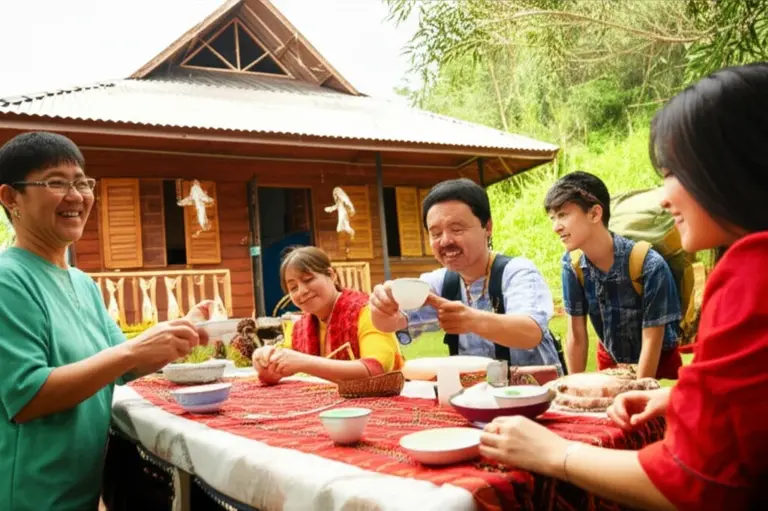
Forget resort chains. The cornerstone of CBT accommodation is the local homestay. These are typically rooms within a family’s home or small, locally constructed guesthouses managed directly by the community cooperative. Expect simplicity, cleanliness, and unparalleled hospitality. The direct income generated from your stay supports the host family immediately.
- Authenticity: Sleeping arrangements are often simple (mattress on the floor or basic bed frame).
- Shared Spaces: Bathrooms are frequently shared, offering a glimpse into daily village life.
- Community Fee: A portion of the nightly fee usually goes into a community fund for local projects (e.g., school repairs or clean water initiatives).
Culinary Immersion: Meals and Local Markets
Meals are rarely served à la carte. They are communal events, often eaten together with the host family, providing significant cultural exchange opportunities. The ingredients are almost always sourced hyper-locally.
| Meal Time | Typical Focus | Cultural Insight |
|---|---|---|
| Breakfast | Rice porridge (Bubur) or local fruits. | Understanding staple crops and morning routines. |
| Lunch/Dinner | Home-cooked Indonesian cuisine (e.g., Sayur Lodeh, local fish). | Learning basic Indonesian phrases used during dining. |
Cultural Exchange Activities: Learning and Sharing
This is where the itinerary shines. Activities are designed to be participatory, not just observational. An expert guide, often a respected community member, facilitates these interactions.
- Craft Workshops: Learning traditional weaving (Ikat), carving, or batik making directly from the artisans.
- Agricultural Visits: Participating in a morning harvest or learning about sustainable rice farming techniques.
- Performance Arts: Attending or participating in traditional music or dance practice sessions.
Witnessing the CBT Experience in Action
For a visual overview of how these elements integrate into daily life, watch this exploration of sustainable tourism in Indonesia:
Sample 5-Day Typical CBT Itinerary in Indonesia
This hypothetical itinerary is structured to balance learning, contribution, and rest, ensuring visitors fully absorb the local rhythm without causing disruption. This structure is key to a successful **typical CBT itinerary Indonesia**.
Day 1: Arrival and Orientation
Arrival at the nearest transport hub, transfer to the village (often involving a short hike or local transport). Formal welcome ceremony by the village elder. Evening briefing on community rules, cultural sensitivity, and the itinerary’s goals. Dinner with the host family.
Day 2: Hands-on Cultural Workshop
Morning dedicated to a deep-dive craft workshop (e.g., learning basic weaving patterns). Afternoon spent visiting the local school or community hall, perhaps donating requested supplies or simply interacting with children under supervision. This fosters direct cultural exchange.
Day 3: Nature & Environmental Focus
This day focuses on the environment. Guided trek through local forests or agricultural lands focusing on traditional, sustainable farming methods. Participants might assist in planting native trees or learning about local medicinal plants. Evening session on the village’s water conservation efforts.
Day 4: Community Service & Storytelling
Morning dedicated to a small, pre-agreed community contribution (e.g., helping repair a pathway or assisting with community garden maintenance). The afternoon is reserved for storytelling sessions, where elders share local history, myths, and the philosophy behind their sustainable way of life. This deepens trust and understanding.
Day 5: Reflection and Departure
Farewell breakfast. A closing ceremony where travelers offer feedback, and the community thanks participants. Departure using pre-arranged local transport, ensuring the economic benefit of the trip concludes smoothly.
Essential Environmental and Ethical Practices in CBT
For a CBT experience to be truly successful, environmental stewardship must be integrated into every part of the itinerary. Responsible travelers understand that their actions directly impact the fragile ecosystems and cultural integrity of these communities.
Waste Management
Many remote CBT locations lack formal waste processing. Travelers are expected to minimize single-use plastics brought in and carry out all non-biodegradable waste. Some itineraries may include a short session on local composting or recycling methods.
Resource Conservation
Water and energy are precious resources. CBT itineraries emphasize mindful use—shorter showers, turning off lights, and respecting local conservation schedules. This commitment to low-impact living is a crucial part of the cultural exchange.
Why Structure Matters: Benefits of a Well-Planned CBT Itinerary
A structured approach, like the one outlined above, prevents ‘tourism leakage’—where tourist money bypasses the local community. By clearly defining activities, payment structures, and ethical guidelines upfront, the **typical CBT itinerary Indonesia** ensures maximum positive impact, turning a simple visit into a meaningful partnership. It provides clear expectations for both the hosts and the guests, fostering mutual respect.
คำถามที่พบบ่อย (FAQ)
References
For further reading on sustainable tourism frameworks in Southeast Asia, consult these resources:
By embracing the structure of a well-planned CBT itinerary, travelers ensure their Indonesian journey is both enriching for them and genuinely beneficial for the local hosts.
- Community-Based Tourism in Indonesia: How Your Trip Can Support Local Villages
- What is Community-Based Tourism (CBT) and why it matters for Indonesian villages — benefits for local economies, culture preservation, and sustainable development
- How to choose ethical CBT experiences in Indonesia — red flags, certifications, and questions to ask tour operators and village hosts