Community-Based Tourism in Indonesia: How Your Trip Can Support Local Villages
- Community-Based Tourism in Indonesia: How Your Trip Can Support Local Villages
- What is Community-Based Tourism (CBT)?
- Why CBT Matters in the Indonesian Archipelago
- Key Pillars of Successful Community-Based Tourism in Indonesia
- Finding Authentic CBT Experiences: A Traveler’s Guide
- The Direct Economic Impact of Your Visit
- Featured Destinations for Community-Based Tourism in Indonesia
- Integrating CBT into Your Itinerary
- คำถามที่พบบ่อย (FAQ)
- What is the primary goal of Community-Based Tourism (CBT) in Indonesia?
- How can I verify if a tour operator truly supports CBT?
- Are CBT experiences generally more expensive than standard tours?
- What cultural etiquette should I observe when visiting an Indonesian CBT village?
- What is ‘economic leakage’ in the context of Indonesian tourism?
- References
The Indonesian archipelago is renowned globally for its stunning biodiversity, volcanic landscapes, and rich cultural tapestry. However, mass tourism often fails to deliver equitable benefits, leading to economic leakage where profits flow out to external operators rather than remaining within the communities that host visitors. This is where Community-Based Tourism in Indonesia emerges as a vital, powerful alternative. For the conscious traveler, understanding how to engage with CBT means transforming your vacation into a direct investment in local preservation, empowering villagers, and unlocking truly authentic cultural immersion.
What is Community-Based Tourism (CBT)?
Community-Based Tourism (CBT) is an approach where the local community has substantial control over, and a major stake in, its sustainable development and management, and a significant proportion of the economic benefits remain within the community. It moves far beyond simply hiring a local guide; it involves shared decision-making regarding infrastructure, pricing, and cultural presentation.
In the Indonesian context, this often manifests as officially recognized Desa Wisata (Tourist Villages). These villages actively manage homestays, cultural performances, traditional craft workshops, and local guiding services. The core ethos is maximizing social and environmental benefits while minimizing negative impacts.
Why CBT Matters in the Indonesian Archipelago
Indonesia faces unique challenges due to its vast geographical spread and diverse indigenous cultures. CBT acts as a crucial buffer against cultural erosion and environmental degradation often associated with unchecked mass tourism.
Preserving Culture Over Commodification
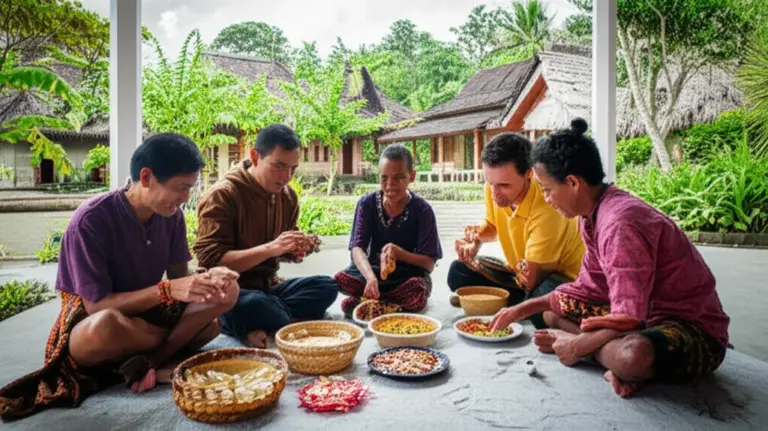
When tourism is managed by external entities, cultural practices often become simplified or exaggerated for tourist consumption—a phenomenon known as commodification. CBT ensures that cultural interpretation is authentic and controlled by the elders and practitioners themselves. Travelers learn traditional cooking methods, local weaving techniques, or indigenous ceremonies directly from the source, fostering genuine respect rather than mere observation.
Combating Economic Leakage
In many conventional tourist hotspots across Bali or Lombok, a significant portion of tourist spending (sometimes over 70%) leaves the local economy to service international hotel chains, imported goods suppliers, and foreign tour operators. CBT structures are designed specifically to reverse this trend. By staying in community-run homestays and eating at warungs owned by villagers, nearly 100% of that expenditure circulates within the village economy, creating stable, long-term income streams.
Expert Insight: True CBT shifts the power dynamic. It is not charity; it is a business model where the local community holds the primary equity.
To better visualize the immersive nature of these experiences, here is a short look at a thriving CBT project in action:
Key Pillars of Successful Community-Based Tourism in Indonesia
For CBT initiatives to thrive sustainably across islands like Java, Flores, or Sulawesi, several structural elements must be in place. These elements are what differentiate a genuine CBT experience from a standard eco-tour packaged by an outside agency.
Democratic Management Structure
The most successful models utilize transparent, democratic decision-making processes. This usually involves a community tourism committee elected by the villagers. All major decisions—from setting entrance fees to deciding how profits are reinvested (e.g., into a local school or clean water access)—are made collectively. This ensures that tourism serves the community’s needs, not just external market demands.
Capacity Building and Training
A key component of supporting CBT is recognizing the need for ongoing training. Communities often require external support (from NGOs or government programs) to develop skills in hospitality management, English language proficiency, digital marketing, and financial accounting. When you choose a CBT program, you are supporting the continuation of these vital capacity-building efforts.
Finding Authentic CBT Experiences: A Traveler’s Guide
Navigating the landscape to find legitimate CBT projects requires due diligence. Here is how to ensure your travel dollars are making the intended impact when exploring Community-Based Tourism in Indonesia.
Choosing Certified or Vetted Programs
Look for villages officially recognized by the Ministry of Tourism and Creative Economy (Kemenparekraf) as a Desa Wisata. Furthermore, look for partnerships with established ethical tourism networks or academic institutions. These affiliations often signify adherence to baseline standards of community benefit and environmental protection. Always prioritize booking directly with the village cooperative if possible, bypassing third-party aggregators.
| Indicator of Authenticity | Red Flag (Avoid) |
|---|---|
| Homestay managed and staffed entirely by locals | Accommodation owned by an expatriate or large corporation |
| Prices clearly allocated between village fund and service provider | Vague pricing structure with no breakdown of community contribution |
| Activities focus on daily life (farming, weaving, cooking) | Activities are staged performances for quick photo opportunities |
Engaging Respectfully: Cultural Etiquette
Respect is the currency of CBT. Before you arrive, research the specific customs of the region—whether you are visiting a predominantly Muslim village in Java or a Hindu community in Bali, local norms dictate behavior. Always ask before entering a private home or sacred space. Remember, you are a guest in their workplace and home simultaneously.
The Direct Economic Impact of Your Visit
Understanding the mechanics of support is crucial. When you participate in CBT, your spending targets several key areas:
- Accommodation: Direct income to the family hosting you, often covering daily expenses and education fees.
- Guiding Services: Employment for local youth who possess deep, generational knowledge of the environment and history.
- Procurement: Food and supplies are sourced locally, supporting village farmers and artisans directly.
- Community Fund: A mandatory percentage of all revenue is pooled for collective village projects, ensuring infrastructure benefits everyone, not just those directly involved in tourism.
This localized economic activity builds resilience, reducing reliance on volatile industries like agriculture or illegal logging. This is the true definition of sustainable travel when engaging in Community-Based Tourism in Indonesia.
Featured Destinations for Community-Based Tourism in Indonesia
While CBT exists across the nation, certain regions have formalized their programs effectively. Travelers looking for immersive experiences should explore these areas:
- Desa Adat Penglipuran, Bali: Famous for its traditional layout and strong adherence to ancestral customs, offering homestays and cultural tours.
- Wae Rebo, Flores, NTT: Known for its unique Mbaru Niang traditional cone-shaped houses, offering a remote, high-altitude immersion experience (requires significant trekking).
- Borneo (Kalimantan) Ecotourism: Programs supporting Dayak communities focused on rainforest conservation and traditional life.
Integrating CBT into Your Itinerary
Integrating CBT doesn’t mean abandoning other Indonesian highlights. It means prioritizing depth over breadth. Instead of rushing through five cities in ten days, consider allocating three full days to one recognized CBT village. This allows relationships to form and provides the community with a reliable, multi-day income stream rather than just a quick transaction. Researching local Indonesian travel blogs and ethical tourism associations can help map out these meaningful stops.
By choosing CBT, you are voting with your wallet for a future where travel enriches, rather than extracts, from the incredible diversity of Indonesia. It is the most tangible way to ensure your journey leaves a positive, lasting legacy.
คำถามที่พบบ่อย (FAQ)
Here are answers to frequently asked questions regarding ethical travel in Indonesia.
What is the primary goal of Community-Based Tourism (CBT) in Indonesia?
The primary goal is to ensure that the ownership, management, and economic benefits of tourism activities remain directly within the host community, prioritizing cultural preservation and local welfare over external corporate profit.
How can I verify if a tour operator truly supports CBT?
Look for operators that explicitly state how much revenue goes directly to the village, check for local staff employment figures, and seek out established local cooperative endorsements rather than large international chains.
Are CBT experiences generally more expensive than standard tours?
They can sometimes have a slightly higher upfront cost, but this reflects the true value of the service and ensures a greater percentage of the money benefits the local economy directly, minimizing leakage.
What cultural etiquette should I observe when visiting an Indonesian CBT village?
Always ask permission before photographing people, dress modestly (especially when visiting sacred sites), learn a few basic Indonesian phrases, and respect local customs regarding dining and social interaction.
What is ‘economic leakage’ in the context of Indonesian tourism?
Economic leakage occurs when tourist revenue leaves the local destination through the importation of goods, foreign-owned businesses, or repatriation of profits by international companies, bypassing the local community entirely.
References
For further reading on sustainable development frameworks in Southeast Asia, consult resources on UNWTO Sustainable Tourism Initiatives and official reports from the Indonesian Ministry of Tourism regarding Desa Wisata Development.
- What is Community-Based Tourism (CBT) and why it matters for Indonesian villages — benefits for local economies, culture preservation, and sustainable development
- How to choose ethical CBT experiences in Indonesia — red flags, certifications, and questions to ask tour operators and village hosts
- What a typical CBT itinerary looks like — examples of activities, homestays, meals, cultural exchange, and environmental practices