Birding in Halmahera: Endemic Species Guide and Leave No Trace Practices for Responsible Wildlife Watching
Halmahera, the largest island in the North Maluku archipelago, is a legendary destination for bird enthusiasts across the globe. Known for its unique ‘K’ shape and rugged volcanic landscapes, it serves as a critical evolutionary bridge between Asia and Australia. For those passionate about birding in Halmahera, the island offers a rare opportunity to witness avian wonders that exist nowhere else on Earth. From the shimmering plumage of the Wallace’s Standardwing to the iconic Ivory-breasted Pitta, the island is a living gallery of biodiversity.
The Crown Jewels: Endemic Species of Halmahera
The primary draw for birding in Halmahera is its high rate of endemism. The island belongs to the Wallacea region, a zone famous for its distinct fauna. The ‘holy grail’ for many is the Wallace’s Standardwing (Semioptera wallacii), a Bird of Paradise discovered by Alfred Russel Wallace himself. Observing their elaborate lekking displays in the early morning mist is a spiritual experience for any naturalist.
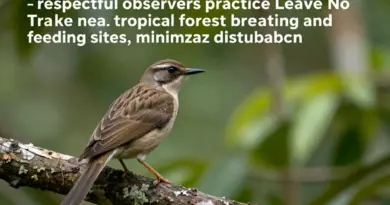
Other must-see endemics include the Ivory-breasted Pitta, known for its striking green, red, and white plumage, and the Halmahera Paradise-crow. While its name suggests a common bird, this endemic crow-like Bird of Paradise possesses a subtle beauty and a haunting call that echoes through the primary rainforests of Aketajawe-Lolobata National Park.
- North Moluccan Pitta
- Sombre Kingfisher
- Moluccan Goshawk
- Great Cuckoo-dove
Leave No Trace: Responsible Wildlife Watching
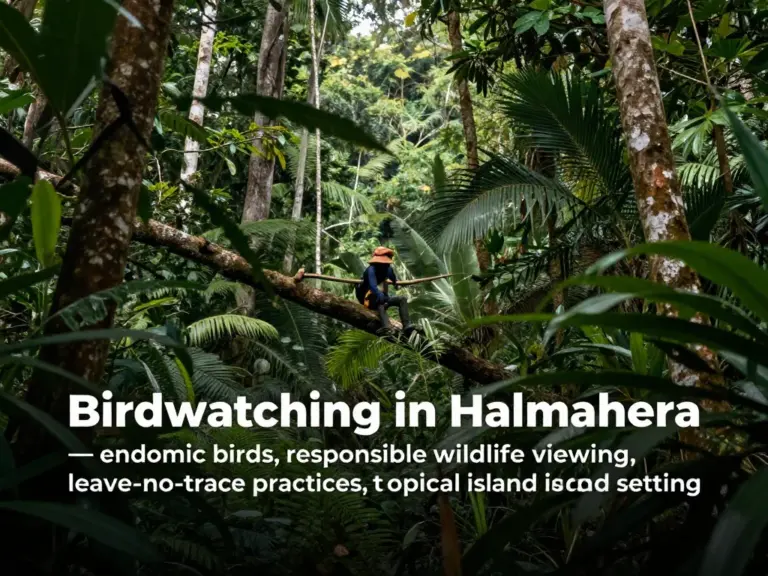
As the popularity of birding in Halmahera grows, so does our responsibility to protect its fragile ecosystems. Responsible wildlife watching is not just a suggestion; it is a necessity to ensure these species survive for future generations. Adhering to ‘Leave No Trace’ principles ensures that your presence does not disrupt the natural behaviors of the birds you’ve come to admire.
| Principle | Application in Birding |
|---|---|
| Respect Wildlife | Maintain a safe distance; never use flash photography or loud calls to lure birds. |
| Minimize Impact | Stay on designated trails to avoid trampling sensitive forest undergrowth. |
| Trash Management | Pack out everything you pack in. Even organic waste can disrupt local diets. |
| Local Community | Hire local guides to support the economy and gain indigenous ecological knowledge. |
Top Birding Locations in Halmahera
To maximize your birding in Halmahera experience, you should focus on a few key areas. Sidangoli is often the starting point, offering access to secondary forests where parrots and kingfishers are abundant. However, for the deep-forest endemics, Foli and the Aketajawe-Lolobata National Park are unparalleled. These areas require a bit of trekking but reward visitors with sightings of the rarest species on the island.
Essential Gear for Your Expedition
The tropical climate of North Maluku can be challenging. High humidity and sudden downpours are common. Ensure you carry high-quality, waterproof binoculars (8×42 is recommended) and lightweight, moisture-wicking clothing in neutral earth tones. Leeches are present in the wetter areas, so leech socks are a wise investment for any serious birder heading into the Halmahera interior.
คำถามที่พบบ่อย (FAQ)
What is the most famous bird in Halmahera?
The Wallace’s Standardwing is the most iconic endemic bird of Halmahera, famous for its unique white plumes and its discovery by naturalist Alfred Russel Wallace.
Is a guide necessary for birding in Halmahera?
Yes, hiring a local guide is highly recommended. They possess expert knowledge of bird calls, lekking sites, and navigate the dense forest terrain safely.
How do I get to Halmahera?
Most travelers fly into Sultan Babullah Airport in Ternate and then take a speedboat to Sidangoli or Sofifi on the mainland of Halmahera.
What are Leave No Trace practices?
They are a set of ethics to minimize human impact on the environment, including staying on trails, disposing of waste properly, and not disturbing wildlife.
Can I see the Ivory-breasted Pitta year-round?
While they are resident birds, they are much easier to find and hear during the breeding season when they are more vocal.
References
BirdLife International – Conservation of Birds and Their Habitats
Leave No Trace Center for Outdoor Ethics
Official Indonesia Tourism Portal
- Why Halmahera Is a Birding Hotspot: Key Endemics, Best Seasons, and How to Plan Your Trip
- Essential Identification Tips for Halmahera Endemics: Field Marks, Vocalizations, and Recommended Guidebooks
- Ethical Birding and Leave No Trace Principles in Halmahera: Minimizing Disturbance to Breeding and Feeding Sites