Inside Javanese Court Culture: Experiencing Kraton Yogyakarta, Batik Crafting, and Gamelan Workshops for Authentic Cultural Immersion
Stepping into Yogyakarta is like entering a living museum where time slows down to the rhythm of ancient traditions. At the heart of this spiritual and cultural capital lies Javanese Court Culture, a sophisticated philosophy of life that emphasizes harmony, balance, and refinement. For travelers seeking more than just a selfie, Yogyakarta offers a deep dive into the soul of Java through its majestic palace, intricate textile arts, and hypnotic musical heritage.
The Kraton Yogyakarta: The Living Pulse of a Kingdom
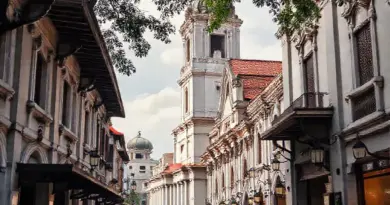
The Kraton, or the Sultan’s Palace, is the physical embodiment of the Javanese universe. Built in 1755, this sprawling complex is not merely a residence for the Sultan but a sacred space designed according to complex Javanese cosmology. As you walk through the open-air pavilions (pendopo), you will notice the Abdi Dalem—the loyal court servants dressed in traditional batik sarongs and blangkon headwear—moving with silent grace. These guardians of tradition ensure that the Javanese Court Culture remains vibrant in the 21st century.
Batik Crafting: Writing Philosophy on Cloth
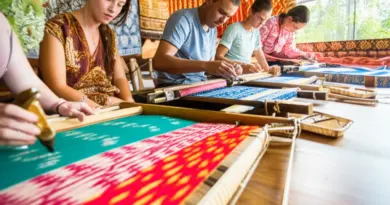
In the courtly tradition, Batik is far more than a fabric; it is a spiritual discipline. Authentic Javanese Batik involves the ‘Batik Tulis’ method, where patterns are hand-drawn using a canting tool and hot wax. Participating in a workshop allows you to understand the patience required for this ‘meditation in motion.’ Many patterns, such as the Parang, were historically reserved only for royalty within the Kraton walls. Learning to control the flow of wax provides a profound connection to the meticulous nature of Javanese artistry.
Gamelan Workshops: The Harmony of the Bronze Ensemble
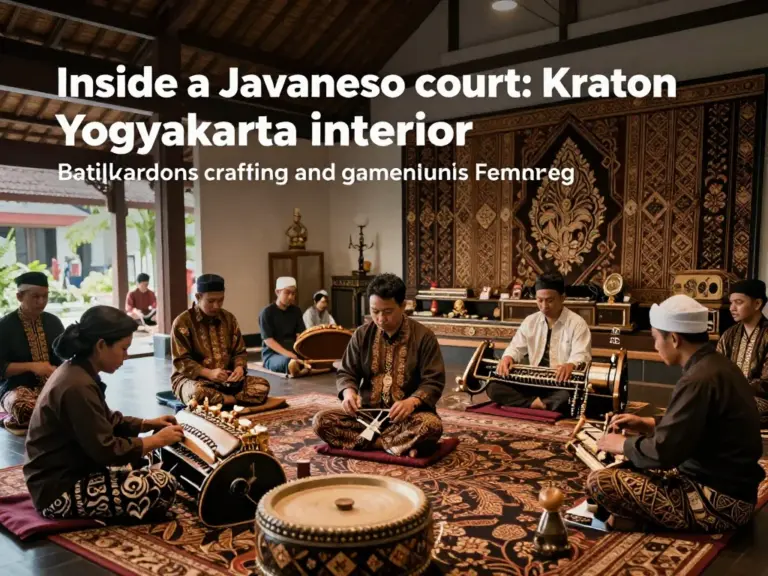
No exploration of Javanese Court Culture is complete without the hauntingly beautiful sounds of the Gamelan. This traditional ensemble of bronze percussion instruments, flutes, and strings produces a metallic, shimmering sound that accompanies every palace ritual. In a Gamelan workshop, you learn that the music is not about individual virtuosity but collective harmony. There is no ‘leader’ in the Western sense; instead, players must listen intently to one another to maintain the flow, reflecting the Javanese social ideal of Gotong Royong (mutual cooperation).
Authentic Cultural Immersion: Why It Matters
Engaging with these workshops offers a bridge between the tourist and the local. By sitting on the floor to dye fabric or striking a ‘Gong,’ you step out of the role of an observer and into the role of a participant. This immersion fosters a deeper respect for Indonesia’s diverse heritage and ensures that these ancient skills continue to find appreciation in a modernizing world.
คำถามที่พบบ่อย (FAQ)
Q: When is the best time to visit the Kraton Yogyakarta?
A: It is best to visit in the morning, between 8:30 AM and 12:30 PM, as the palace closes early and most cultural performances (dance or gamelan) happen before noon.
Q: Do I need prior experience for Batik or Gamelan workshops?
A: No experience is necessary! Most workshops in Yogyakarta are designed for beginners and provide all necessary materials and guidance.
Q: What is the dress code for visiting the Sultan’s Palace?
A: Visitors should dress modestly. Avoid sleeveless tops and short skirts or shorts. Wearing a shirt with sleeves and long trousers or a sarong is recommended out of respect for the local culture.
References
Official Indonesia Tourism: The Kraton
UNESCO: Indonesian Batik Cultural Heritage
- What is the Kraton of Yogyakarta? History, architecture, and the court traditions that shape Javanese identity
- How to join batik workshops near the Kraton: techniques, materials, and choosing authentic hands-on experiences
- Understanding gamelan music: instruments, rhythms, and what to expect from beginner-friendly workshops at cultural centers